

Best Alfresco Weather Protection Options
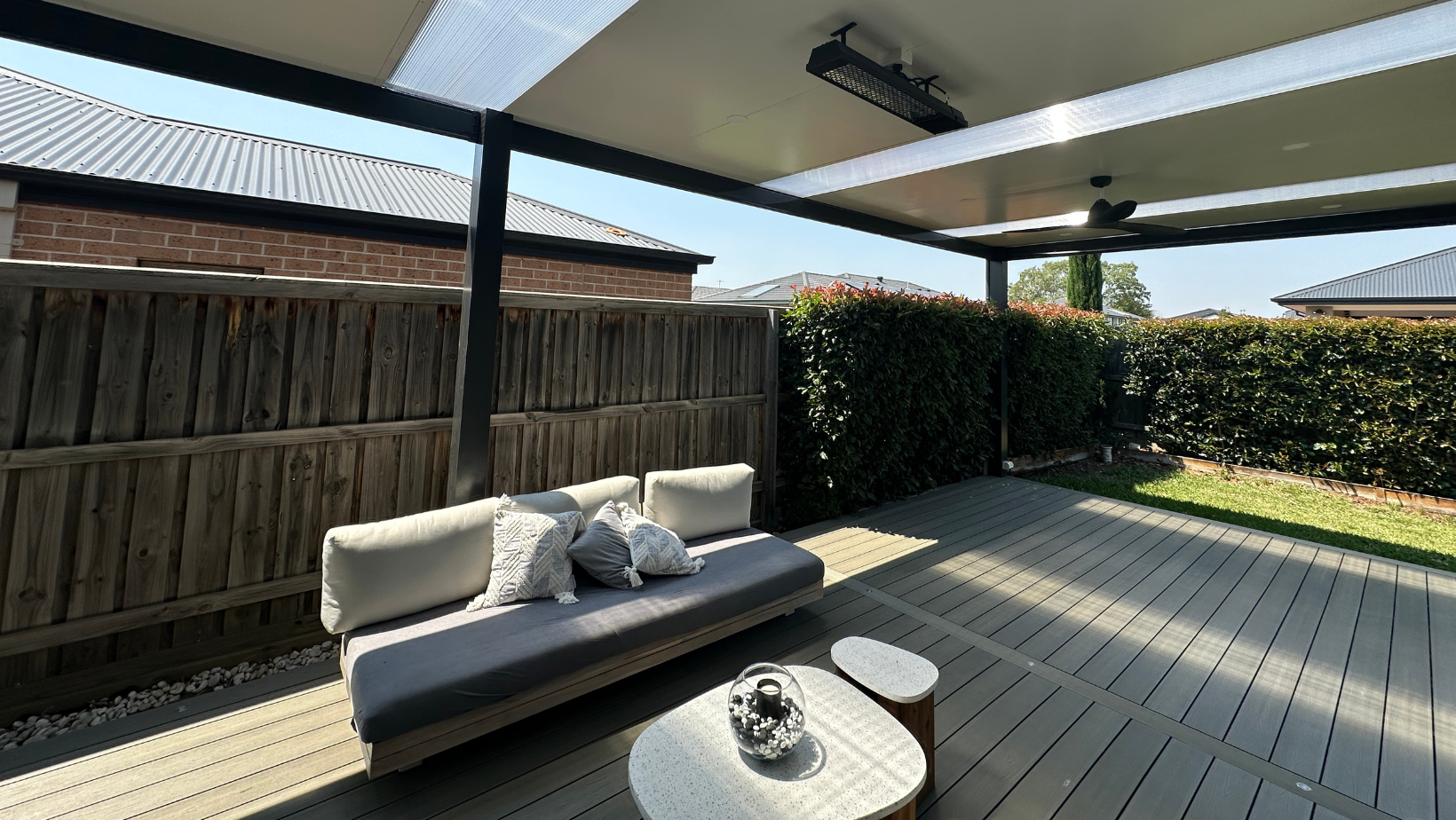

A beautiful alfresco area can lose its appeal quickly when the sun is harsh, the wind picks up, or a sudden shower sends everyone indoors. That is why choosing the right alfresco weather protection options matters so much. The right solution does more than block the elements. It turns an outdoor area into a space you can use more often, more comfortably, and with far less compromise.
For most homeowners, the question is not whether protection is needed. It is which type will suit the home, the way the space is used, and the level of coverage required. Some families want reliable shade over a dining setting. Others want a more enclosed outdoor zone that still feels open and connected to the backyard. The best result usually comes from matching the structure to your lifestyle rather than choosing the first option that looks good in a photo.
How to choose alfresco weather protection options

The smartest place to start is with the conditions your outdoor area actually faces. A west-facing backyard in Victoria can take a beating from afternoon sun, while an exposed corner block may need more wind control than overhead shade. If your main issue is rain, a roofed structure will do more heavy lifting than a simple open pergola. If glare, privacy and draughts are part of the problem, screens or partial enclosures may be just as important.
It also helps to think about how often you plan to use the space. Occasional weekend entertaining calls for something different from an alfresco area used every evening for family meals. The more frequently the area is used, the more value there is in a tailored, permanent solution that feels like a true extension of the home.
Fixed roof systems for year-round cover

A fixed patio roof is one of the most dependable choices when you want strong protection from both sun and rain. This type of structure creates a clear outdoor room, giving you shelter without the hassle of setting up temporary covers or moving furniture every time the weather changes.
Insulated roofing is especially popular for homeowners who want a cooler, more comfortable alfresco area. It helps reduce heat transfer, which can make a real difference in summer when the roof is taking direct sun for hours. It also tends to create a more finished look, especially when integrated neatly with the existing house.
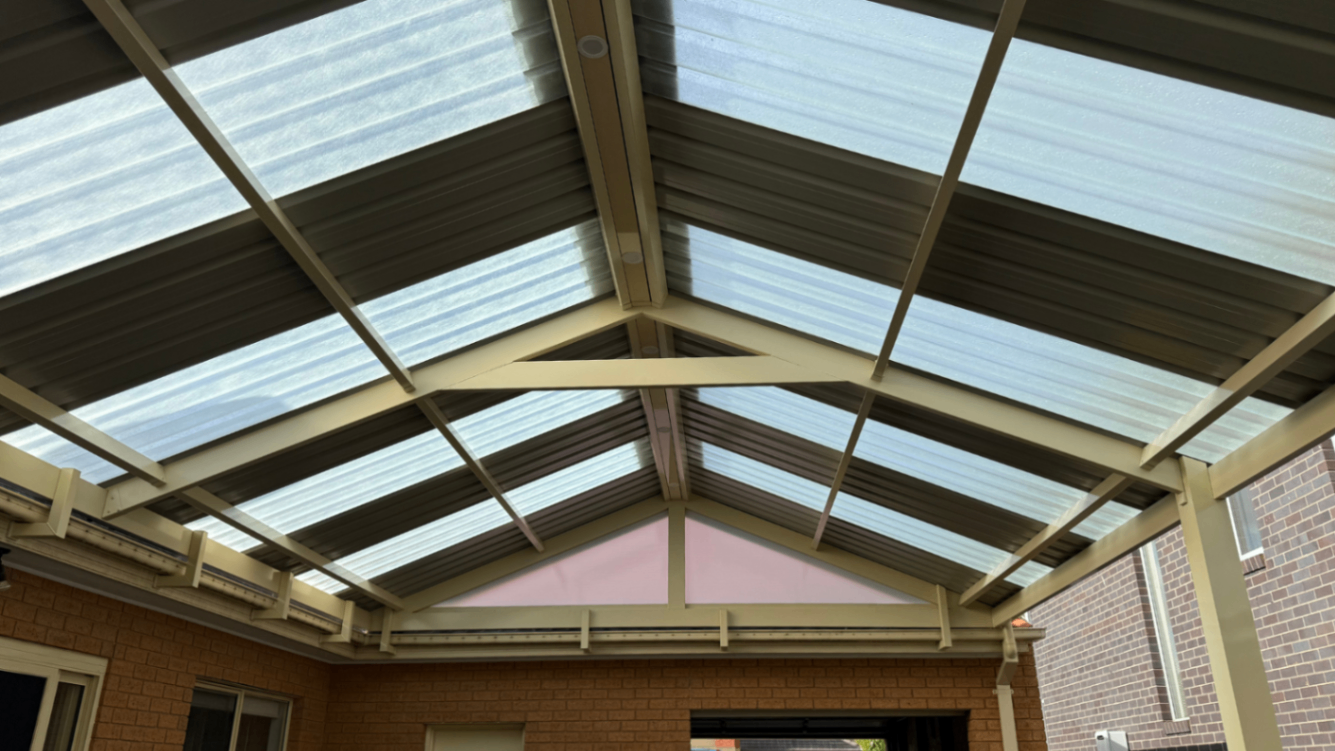
Colorbond patio roofing is another strong option, particularly if durability and low maintenance are high on your list. It suits many Australian homes and handles harsh conditions well. The trade-off is that not every fixed roof creates the same level of light underneath. Some homeowners prefer a brighter feel, which is where roof design, profile and placement become important.
Pergolas and verandahs for balanced shelter

Pergolas and verandahs sit in an interesting middle ground. They can offer practical protection while keeping the outdoor space airy and visually open. For homeowners who do not want a fully enclosed or heavily built-over area, this can be the right balance.
A pergola works well when filtered shade is enough, or when it is part of a broader design that includes climbing greenery, screening or partial roofing. On its own, though, an open pergola will not give the same rain protection as a solid patio roof. That is fine if your priority is appearance and light shade, but less ideal if you want all-weather entertaining.
Verandahs tend to provide more reliable shelter because they are usually more integrated with the house and designed for regular use. They also complement a wide range of home styles, from classic weatherboard homes to newer suburban builds. When designed properly, they can improve the flow between indoors and outdoors without making the backyard feel boxed in.
Louvre roofs for flexible control

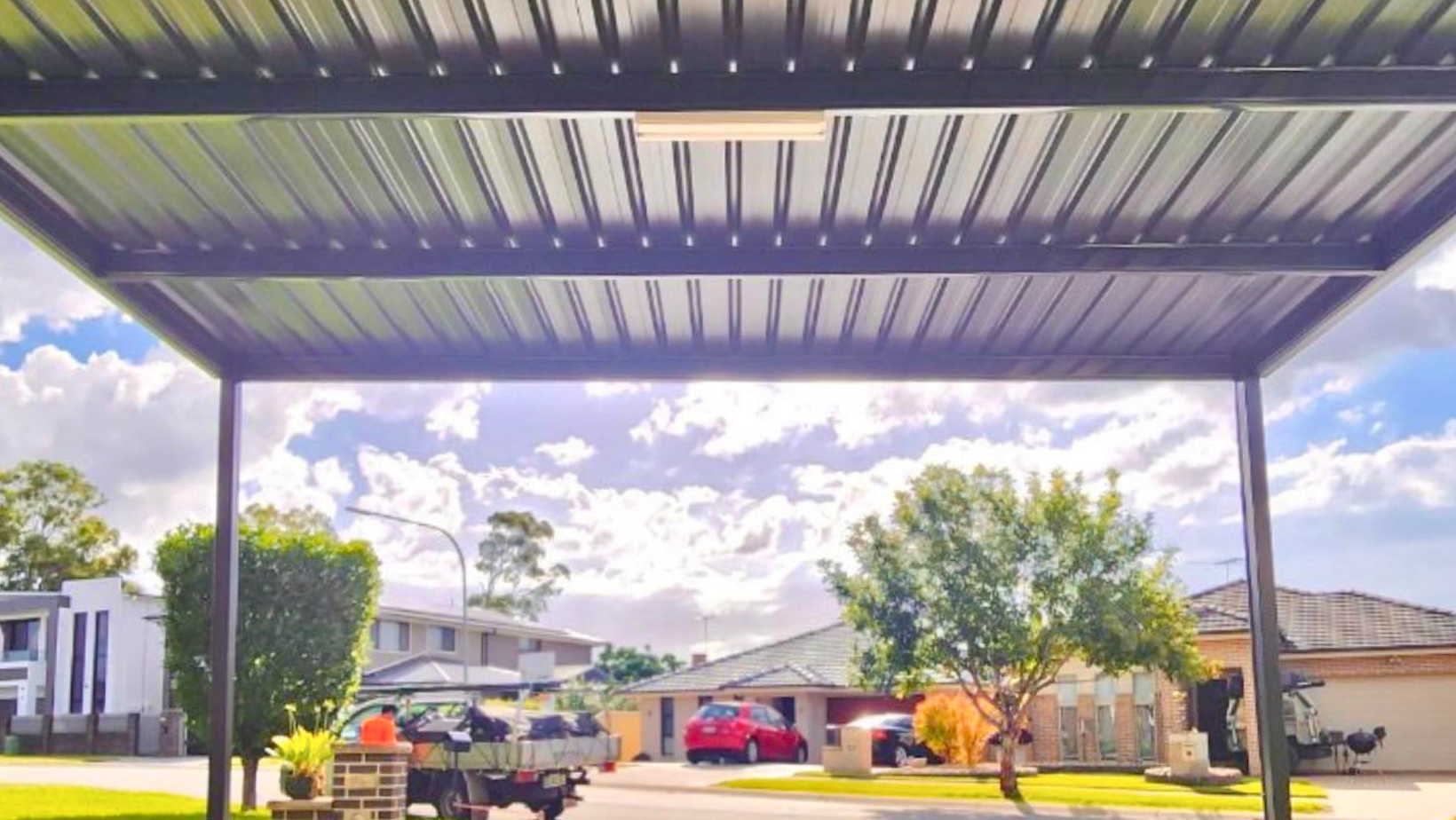
If you want more control over light, airflow and rain protection, a louvre roof system is worth serious consideration. Adjustable louvres let you respond to the weather rather than simply putting up with it. Open them to let heat escape and bring in a breeze, then close them when rain starts or the sun becomes too strong.
This flexibility is a big advantage for households that use their alfresco area in different ways throughout the day or across the seasons. Morning coffee, summer lunches, and winter entertaining all place different demands on the same space. A louvre roof can adapt to those changes better than a fixed open structure.
That said, flexibility usually comes with a more involved design and build process. It is best suited to homeowners who see the alfresco as a major lifestyle feature rather than an occasional add-on. When done well, it creates a polished, high-end outdoor area that feels carefully considered.
Screens and side protection matter more than many expect

When people compare alfresco weather protection options, they often focus on the roof first. That makes sense, but side protection is what often turns a good outdoor area into a genuinely comfortable one. Wind-driven rain, low afternoon sun, and lack of privacy usually come from the sides, not above.
Outdoor blinds and fixed screens can make a big difference here. They help reduce glare, improve comfort on breezy days, and create more privacy from neighbouring properties. In many cases, this extra layer of protection is what makes an alfresco usable through more of the year.
The right choice depends on how open or enclosed you want the space to feel. Some homeowners want visibility and airflow, while others want a stronger sense of shelter. A custom design allows that balance to be worked out properly, instead of forcing the space into a one-size-fits-all setup.
Sunrooms and enclosed outdoor spaces

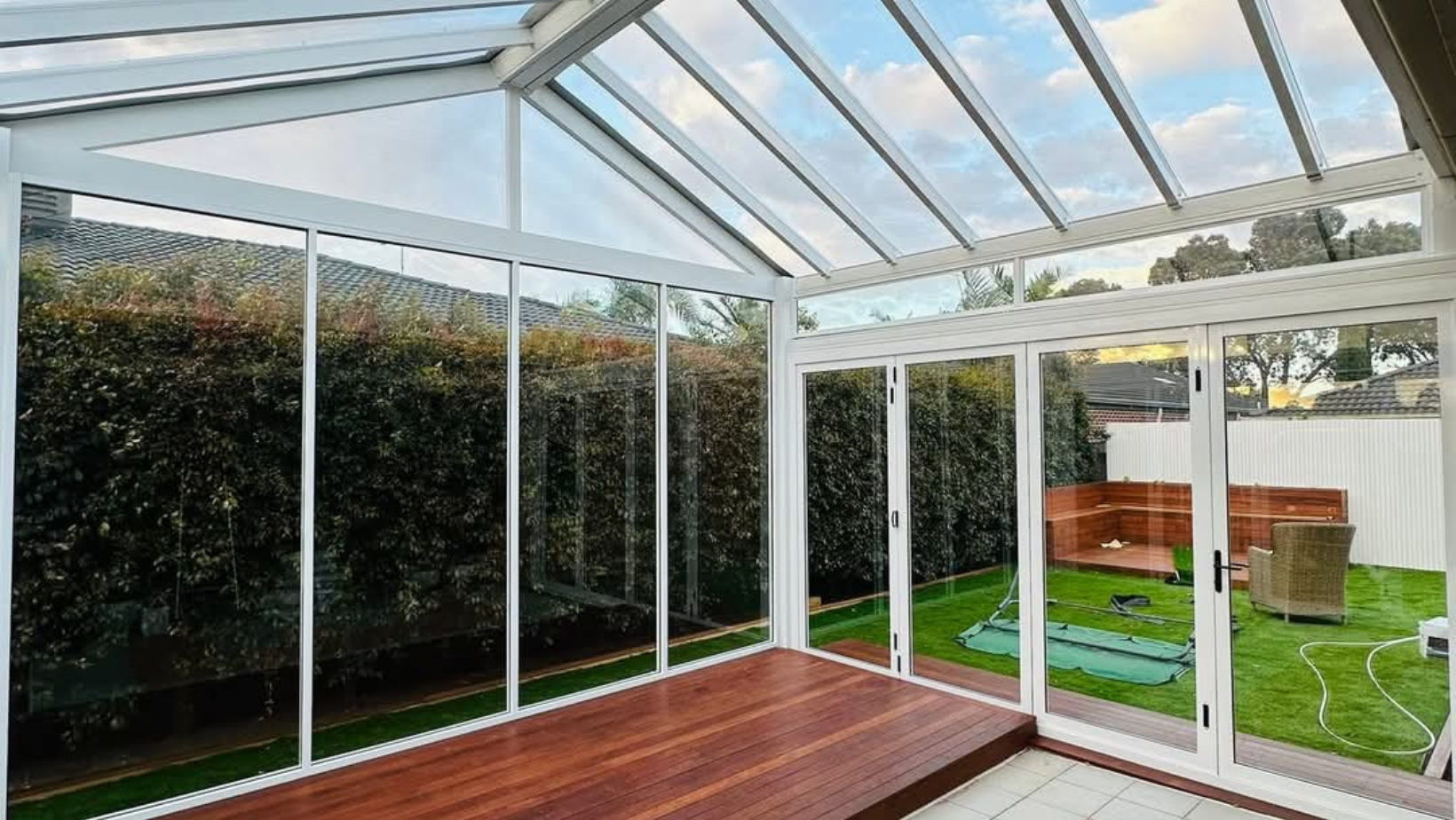
For homeowners who want the highest level of weather protection, an enclosed structure such as a sunroom offers the most complete solution. It creates a more controlled environment and can dramatically increase how often the area is used, especially during colder months or wet weather.
This option suits families who want an outdoor connection without full exposure to the elements. It can work well as an extended living area, second dining zone, or quiet retreat that still enjoys natural light. Compared with an open patio or pergola, it offers more protection from wind, rain and temperature swings.
The trade-off is that a sunroom changes the feel of the space more significantly. Some people love that added comfort and enclosure, while others prefer a more open alfresco experience. It depends on whether your priority is maximum usability or a lighter, more outdoor feel.
Design, materials and council considerations

Good weather protection is not only about coverage. It is also about how well the structure suits your home. A patio that looks out of place or feels tacked on can affect the overall appeal of the property, even if it performs well in bad weather.
This is where materials, roofline, colours and proportions all matter. Australian-made materials and trusted products are a smart choice for long-term durability, but the design still needs to be tailored to the house itself. A custom-built solution will usually achieve a better result than trying to force a standard design onto an existing layout.
Approvals and site conditions also need to be part of the conversation early. Block orientation, drainage, existing structures and planning requirements can all shape what is practical. That is another reason expert guidance matters. A well-planned build saves headaches later and gives you a finished space that feels right from day one.
Which option is best for your home?

There is no single winner among alfresco weather protection options because every home and family uses outdoor space differently. If reliable shelter from sun and rain is your main goal, a fixed patio roof is often the most practical answer. If flexibility is the priority, louvre roofs offer stronger control. If you want to block wind and improve privacy, side screens may be just as important as overhead cover. And if year-round comfort is the end goal, a more enclosed structure may deliver the best long-term result.
The common thread is this: the best outdoor spaces are designed around real living, not guesswork. A thoughtful solution should look like it belongs with your home, perform well in Victorian conditions, and make your outdoor area easier to enjoy across more of the year.
If you are weighing up your options, it helps to look beyond the surface and ask how you actually want the space to work. The right structure is not just weather protection. It is the difference between an outdoor area you occasionally use and one you genuinely look forward to spending time in.
Frequently Asked Questions
What services does Sam Outdoor Living provide?
We specialize in designing and building custom outdoor structures, including patios, pergolas, carports, decking, sunrooms, louvres and insulated roofing systems. We use high-quality materials from trusted brands like Stratco, Palram, Lysaght, Ekodeck.
Do you offer warranties on your structures?
Yes, all our structures come with a 5-year workmanship warranty, an 8-year paint finish warranty, and a 12-year structural warranty. *Terms and Conditions applied.
Do I need council approval for my outdoor structure?
Some projects may require council approval. Our team can assist with the application process to ensure all necessary permits are obtained.
How do I get a quote for my project?
You can request a free, no-obligation quote by filling out the form on our website or contacting us directly at +61 421 515 768. We’ll schedule an on-site consultation to discuss your ideas and provide a free estimate.
What areas do you service?
We serve customers from all suburbs across Victoria. If you’re unsure whether we service your area, feel free to contact us at +61 421 515 768.
Recent Blogs

Have a Project in Mind?
Ready to transform your outdoor space? We’ll provide a personalized, no-obligation quote tailored to your needs. Simply fill out the form below, and we’ll be in touch soon!

Get Free Quote
Award winning products


We are dedicated to crafting beautiful, functional outdoor spaces that blend seamlessly with your home