

Pergola Designs That Suit Australian Homes
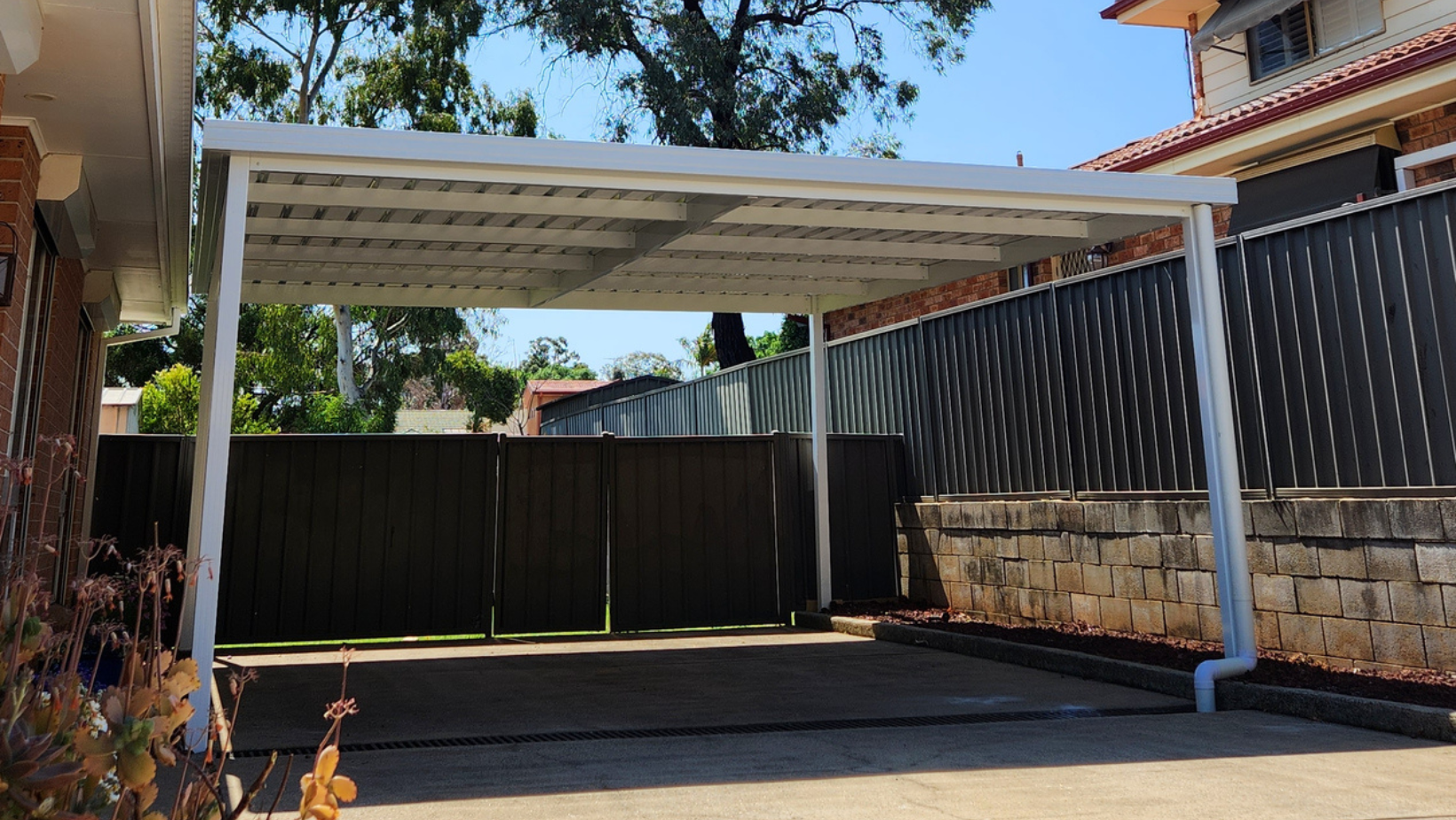

A pergola can change the way you use your backyard faster than almost any other outdoor upgrade. The best pergola designs do more than add shade - they create a space that feels connected to your home, works in different weather, and gives your outdoor area a clear purpose.
For some households, that means a covered spot for weekend barbecues and family dinners. For others, it is a way to make a bare patio feel finished, add structure to a deck, or turn an unused patch of yard into a comfortable retreat. The right design depends on how you live, how your home is laid out, and how much protection you actually want from the elements.
What good pergola designs really need to do

A pergola should look good, but appearance is only part of the job. A well-planned structure needs to suit the scale of the house, sit comfortably within the backyard, and handle everyday use without feeling like an afterthought.
That is why design decisions should start with function. If your main goal is summer shade, the roof style matters. If you want to entertain through winter, rain protection becomes more important. If the pergola is visible from your kitchen or living room, the structure needs to complement the home rather than compete with it.
The strongest results usually come from balancing three things: practical coverage, visual fit, and long-term durability. When those elements line up, the pergola feels like part of the home, not just something added later.
Choosing pergola designs for your layout

Every backyard has its own limits and opportunities. A compact suburban block often needs a pergola that makes efficient use of space without crowding the yard. A wider block may suit a larger entertaining area, a poolside zone, or a structure that connects multiple outdoor spaces.
Attached pergolas are often the most natural choice when you want the new area to flow directly from the house. They can extend your alfresco area, improve weather protection near rear doors, and make outdoor dining feel more convenient. Freestanding pergolas, on the other hand, work well when you want to create a separate destination in the garden or define a space away from the main home.
Height is another detail that matters more than many homeowners expect. A pergola that is too low can feel boxed in, while one that is too high may not provide the sense of shelter you are after. Roof pitch, post placement, and span widths all influence how open or enclosed the space feels once built.
Attached pergolas for everyday living

An attached pergola usually suits households that want a simple transition between indoors and outdoors. It can sit over paving or decking and give you a more usable outdoor room without losing the connection to the home.
This style often works especially well for families who entertain regularly or want cover right outside the back door. It also tends to create a more integrated look, particularly when the design picks up colours, roofing profiles, and trim details already used on the house.
Freestanding pergolas for flexible backyard zones

Freestanding structures offer more freedom in terms of placement and purpose. They can frame a garden setting, provide shelter beside a pool, or create a quiet sitting area away from the busier parts of the home.
The trade-off is that they need stronger planning around access, orientation, and visual balance. If they are placed too far from the main entertaining area, they may look appealing but get used less often. When positioned well, though, they can add real character and make a backyard feel more complete.
Materials matter as much as the look

One of the biggest choices in pergola designs is the material palette. Timber has natural warmth and suits many traditional and contemporary homes, but it also comes with different upkeep expectations depending on exposure and finish. Steel and aluminium options generally appeal to homeowners looking for clean lines, strong durability, and lower ongoing maintenance.
In Victoria, where weather conditions can swing from harsh sun to wind and rain, material performance matters. It is not just about appearance on day one. It is about how well the structure holds up over time, how easily it complements roofing and guttering, and whether it fits the broader style of the property.
Australian-made materials can be a smart choice for homeowners who want confidence in durability and consistency. They also tend to work well with established outdoor building systems, which helps when creating a structure designed to last.
Roof styles that change how the space feels

Not all pergolas offer the same level of protection. An open roof creates light and airflow, but it will not give you the same shelter as a more covered option. This is where many homeowners need to think carefully about how they actually want to use the space.
A simple slatted pergola can look sharp and contemporary, especially in gardens where filtered light is part of the appeal. But if your main goal is reliable cover for outdoor furniture or year-round entertaining, insulated roofing or a more protective patio-style finish may be the better fit.
Louvre systems are also worth considering if flexibility is a priority. They allow you to adjust light, ventilation, and weather protection throughout the day. The benefit is control. The trade-off is that the overall design and build approach needs to be planned properly so the structure feels cohesive with the home.
Open pergolas

Open pergolas suit spaces where visual lightness is important and full weather protection is not essential. They can help define an outdoor area without making it feel too enclosed.
This style often suits garden settings, decorative courtyards, or homes where partial shade is enough. It is a design-led choice as much as a practical one.
Covered pergolas

Covered pergolas are usually the better option when comfort and usability are the priority. They offer more dependable shelter from sun and rain and can make an outdoor area feel like a genuine extension of the house.
For many homeowners, this is the more useful long-term solution, particularly when the goal is to get more consistent use from the space across different seasons.
Matching pergola designs to your home style

A pergola should not feel disconnected from the rest of the property. On a modern home, that might mean clean profiles, restrained colours, and a simple roofline. On a more traditional home, the details may need to be softer and more in keeping with existing architectural features.
Colour plays a major role here. Neutral tones often give the most flexibility and tend to sit well against brick, render, weatherboard, and contemporary cladding. Dark frames can create contrast and definition, while lighter finishes often keep the overall look softer and more open.
The surrounding surfaces matter too. A pergola over decking creates a different feeling from one installed over exposed aggregate or paving. Neither is automatically better. It depends on the look you want and how the area will be used day to day.
Features that make a pergola more liveable

The most successful pergolas are rarely just a roof and posts. They are designed as living spaces. That might include integrated lighting for evening use, ceiling fans for summer comfort, privacy screening, or roofing choices that reduce heat build-up.
If you are planning for entertaining, think about furniture layout early. If the structure needs to work around an outdoor kitchen, barbecue, or dining zone, those requirements should shape the design rather than be squeezed in later. The same goes for access paths, steps, and how people move between indoors and outdoors.
It also helps to think ahead. A pergola that works for a quick coffee in the morning may also need to handle children, guests, and larger gatherings on weekends. Building in flexibility from the start usually leads to a better result.
Why custom pergola designs usually deliver better results

Off-the-shelf solutions can look convenient, but they often force homeowners to compromise on size, proportion, and finish. A custom pergola is designed for the actual site, the actual house, and the way the household wants to live.
That is especially important when dealing with tricky rooflines, uneven blocks, narrow side setbacks, or existing decks and patios. A tailored approach gives you more control over how the structure fits, how it looks from inside the home, and how effectively it solves the practical issues that led you to consider a pergola in the first place.
For homeowners across Greater Melbourne, that local understanding also matters. Conditions, council considerations, and home styles can vary widely from one suburb to the next. Working with an experienced outdoor builder such as Sam Outdoor Living can make the process clearer, from design ideas through to a finished structure that feels properly considered.
The best pergola is not the one with the most features or the boldest profile. It is the one that makes your outdoor area easier to use, more comfortable to spend time in, and better suited to the way your home really works. If you start with that in mind, the right design tends to become much clearer.
Frequently Asked Questions
What services does Sam Outdoor Living provide?
We specialize in designing and building custom outdoor structures, including patios, pergolas, carports, decking, sunrooms, louvres and insulated roofing systems. We use high-quality materials from trusted brands like Stratco, Palram, Lysaght, Ekodeck.
Do you offer warranties on your structures?
Yes, all our structures come with a 5-year workmanship warranty, an 8-year paint finish warranty, and a 12-year structural warranty. *Terms and Conditions applied.
Do I need council approval for my outdoor structure?
Some projects may require council approval. Our team can assist with the application process to ensure all necessary permits are obtained.
How do I get a quote for my project?
You can request a free, no-obligation quote by filling out the form on our website or contacting us directly at +61 421 515 768. We’ll schedule an on-site consultation to discuss your ideas and provide a free estimate.
What areas do you service?
We serve customers from all suburbs across Victoria. If you’re unsure whether we service your area, feel free to contact us at +61 421 515 768.
Recent Blogs

Have a Project in Mind?
Ready to transform your outdoor space? We’ll provide a personalized, no-obligation quote tailored to your needs. Simply fill out the form below, and we’ll be in touch soon!

Get Free Quote
Award winning products


We are dedicated to crafting beautiful, functional outdoor spaces that blend seamlessly with your home