

How To Choose Louvre Roof For Your Home
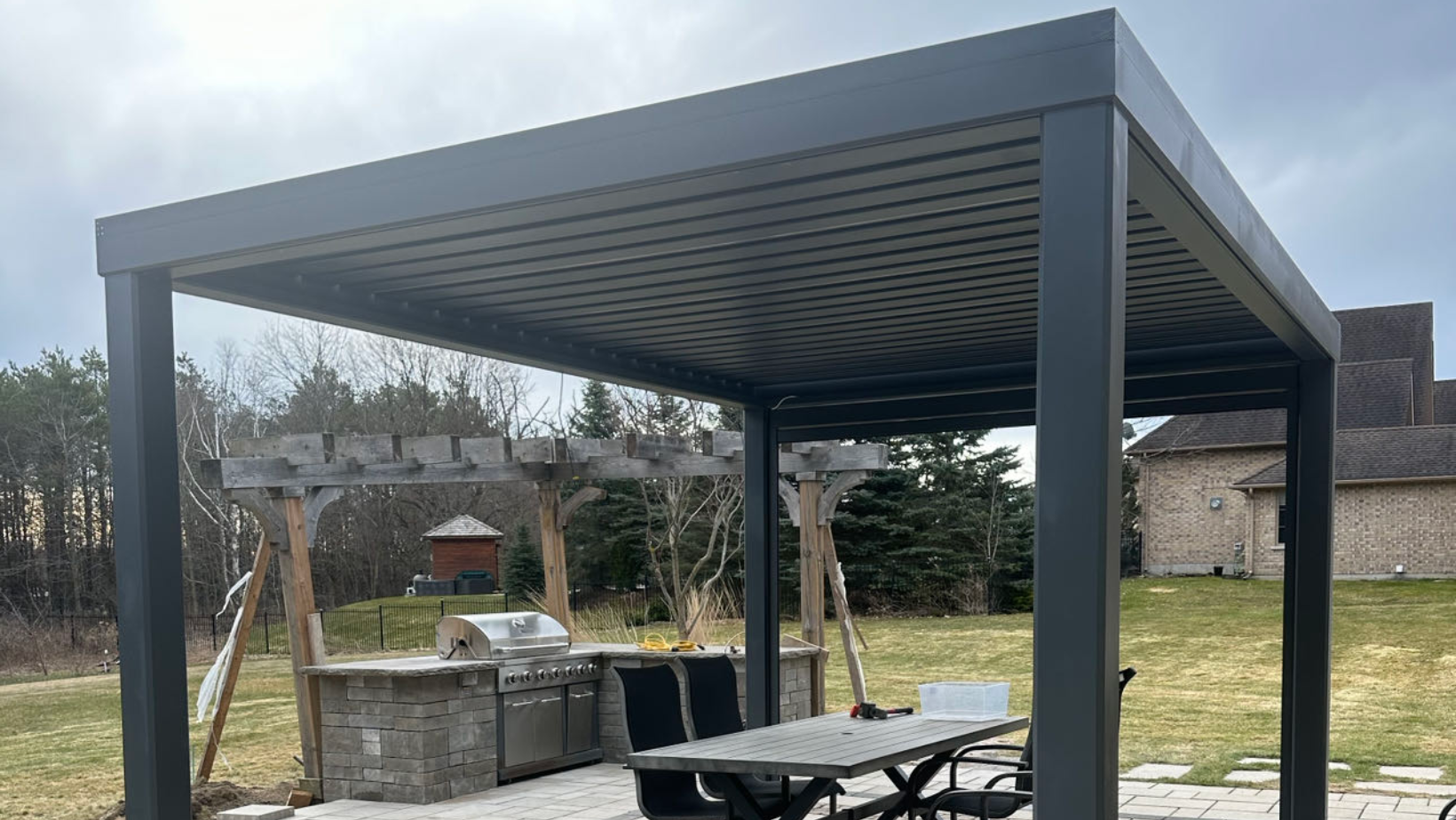

A louvre roof can make the difference between an outdoor area you rarely use and one that works through harsh sun, light rain and everything in between. If you're wondering how to choose louvre roof options that actually suit your home, the right answer starts with how you live outside - not just how the system looks in a brochure.
For some households, that means creating a flexible alfresco for weekend entertaining. For others, it is about adding shade over a deck, improving weather protection near a pool, or making a courtyard feel more comfortable year-round. A good louvre roof should do all of that while still feeling like it belongs on your home.
How to choose louvre roof without getting overwhelmed

The easiest way to narrow your options is to look at five things together: your space, your home's style, the level of weather protection you need, the quality of the system, and the way you want to use it day to day. Most homeowners start by comparing finishes or features, but the smarter approach is to begin with function.
If your outdoor area gets strong western sun, adjustable blades matter more than decorative extras. If your priority is entertaining, span and layout become more important because posts in the wrong place can interrupt furniture zones and traffic flow. If the area sits against the house, drainage design needs close attention so water is carried away properly and does not create problems around doors, paving or garden beds.
That is why custom design matters. A louvre roof is not a one-size-fits-all product. The right system should be selected around your block, your orientation and your daily routine.
Start with how you want to use the space

Before choosing blade profiles or control options, think honestly about what the area needs to do. A family dining zone has different priorities from a quiet sitting area. If you regularly host guests, you will want strong overhead coverage, comfortable airflow and enough open space underneath for a table, outdoor kitchen or lounge setting.
If the area is more of a retreat, visual softness and light control may matter more. In that case, you might prioritise a design that allows filtered sun in winter and shade in summer. A louvre roof is at its best when it gives you control, but that control only adds value if it matches the way you actually live.
It also helps to think about the hours you use the space most. Morning sun, afternoon heat and evening breezes all affect what configuration will feel comfortable. Orientation is one of the biggest factors in choosing a system that performs well in real conditions.
Choose a system built for Australian conditions

Not all louvre roofs are equal, and this is where many comparisons become misleading. Two systems can look similar at first glance but differ significantly in material quality, structural strength, coating durability and weather performance.
For Victorian homes, it makes sense to choose a system designed for Australian conditions. That means materials that handle high UV exposure, changing weather and regular outdoor use without losing their finish too quickly. Aluminium is a popular choice because it is durable, low maintenance and well suited to modern outdoor structures.
You should also ask how the system handles wind and rain. A louvre roof is meant to be adjustable, but it still needs to feel secure and well engineered when closed. Good systems are designed with integrated drainage so rainwater is channelled through the frame rather than spilling unpredictably off the edges. That feature becomes especially important when the roof is attached to the home or positioned over high-use entertaining areas.
Fixed or motorised: what makes sense?

One of the biggest decisions is whether you want manual adjustment or a motorised system. In most modern residential projects, motorised louvre roofs are the preferred option because they are easy to operate and allow quick changes as the weather shifts.
That convenience is not just a luxury. If rain comes through during a barbecue or the afternoon sun suddenly moves across the deck, being able to adjust the blades at the touch of a button makes the space more usable. Some homeowners also like the option of sensors that respond automatically to weather conditions, though whether that is worthwhile depends on how often the space is used and how hands-off you want the experience to be.
If you are weighing up value, think beyond the initial comparison. A system that is easier to use usually gets used more often. That can have a bigger impact on your lifestyle than a lower-spec option that stays in one position most of the time.
Make sure the design suits your home

A louvre roof should feel like part of the property, not an add-on that competes with it. This is where shape, proportions, post placement and colour selection all matter.
On a contemporary home, clean lines and a simple profile often work best. On a more traditional property, the structure may need softer detailing or a layout that respects existing rooflines and architectural features. The goal is not to copy the house exactly, but to create a natural connection between the new outdoor structure and the original building.
Colour also has a bigger effect than many people expect. A darker finish can look striking and modern, but it may make the structure feel heavier in a smaller courtyard. A lighter finish can help the roof sit more quietly against the home and keep the area feeling open. The right choice depends on the scale of the space, surrounding materials and the overall look you want to achieve.
Think carefully about span, posts and layout

Homeowners often focus on the roof itself, but what happens underneath matters just as much. A beautiful louvre roof with awkward post placement can make an outdoor area frustrating to furnish and move through.
When choosing a design, consider where your dining setting, barbecue, outdoor kitchen or lounge will sit. Think about walkways, sightlines and access to doors. Wider spans can create a cleaner entertaining zone, but they need to be matched with the right engineering and support. In some cases, adding a post in the right location is the better long-term decision if it improves structural integrity without affecting how the space works.
This is one area where tailored design advice makes a real difference. On-site planning often reveals practical issues that are hard to spot on a generic plan.
Ask how the roof handles rain, shade and airflow

When people ask how to choose louvre roof systems, they often mean which one looks best. A better question is how well the roof will perform across the seasons.
A strong louvre design should let you manage sunlight throughout the day, encourage airflow when open, and provide reliable coverage when closed. The balance matters. Some systems are excellent for shade but less effective at controlling water runoff. Others close tightly but may not give the same sense of openness when you want ventilation.
That trade-off is worth discussing early. If your top priority is all-weather entertaining, drainage and closed-roof performance should sit high on the list. If your focus is creating an airy pergola-like feel with flexible shade, blade movement and openness may be more important.
Do not overlook council requirements and installation quality

Even the best product can disappoint if the installation is rushed or poorly planned. A louvre roof is a structural addition to your home, so permits, compliance and workmanship all matter.
Depending on the size and location of the project, council requirements may apply. That is another reason to work with an experienced team that understands residential outdoor construction, not just product supply. Proper installation affects drainage, motor performance, alignment, finish quality and long-term reliability.
It is also worth asking who is responsible for the full process. A clear design-and-install pathway usually leads to a smoother result than trying to coordinate multiple suppliers and trades on your own.
Compare value, not just the cheapest quote
When comparing louvre roof proposals, the cheapest option is not always the most economical over time. Differences in material thickness, coatings, motor components, drainage design and customisation can all affect performance and lifespan.
If you are trying to keep costs under control, focus on the features that matter most to your space. A well-designed standard configuration can be a better investment than paying for extras you will rarely use. At the same time, cutting back on structural quality or weather handling can lead to disappointment in a few seasons.
The strongest quote is the one that clearly explains what is included, how the roof is tailored to your home, and why that design suits your needs. For many homeowners across Greater Melbourne, that clarity is just as valuable as the product itself.
A louvre roof should give you more than shade. It should make your outdoor area easier to use, more comfortable to enjoy and better connected to your home. When the design is matched properly to your lifestyle, the result feels less like an add-on and more like the outdoor room you always meant to have.
Frequently Asked Questions
What services does Sam Outdoor Living provide?
We specialize in designing and building custom outdoor structures, including patios, pergolas, carports, decking, sunrooms, louvres and insulated roofing systems. We use high-quality materials from trusted brands like Stratco, Palram, Lysaght, Ekodeck.
Do you offer warranties on your structures?
Yes, all our structures come with a 5-year workmanship warranty, an 8-year paint finish warranty, and a 12-year structural warranty. *Terms and Conditions applied.
Do I need council approval for my outdoor structure?
Some projects may require council approval. Our team can assist with the application process to ensure all necessary permits are obtained.
How do I get a quote for my project?
You can request a free, no-obligation quote by filling out the form on our website or contacting us directly at +61 421 515 768. We’ll schedule an on-site consultation to discuss your ideas and provide a free estimate.
What areas do you service?
We serve customers from all suburbs across Victoria. If you’re unsure whether we service your area, feel free to contact us at +61 421 515 768.
Recent Blogs

Have a Project in Mind?
Ready to transform your outdoor space? We’ll provide a personalized, no-obligation quote tailored to your needs. Simply fill out the form below, and we’ll be in touch soon!

Get Free Quote
Award winning products


We are dedicated to crafting beautiful, functional outdoor spaces that blend seamlessly with your home