

All Weather Outdoor Room Ideas For Victoria Homes
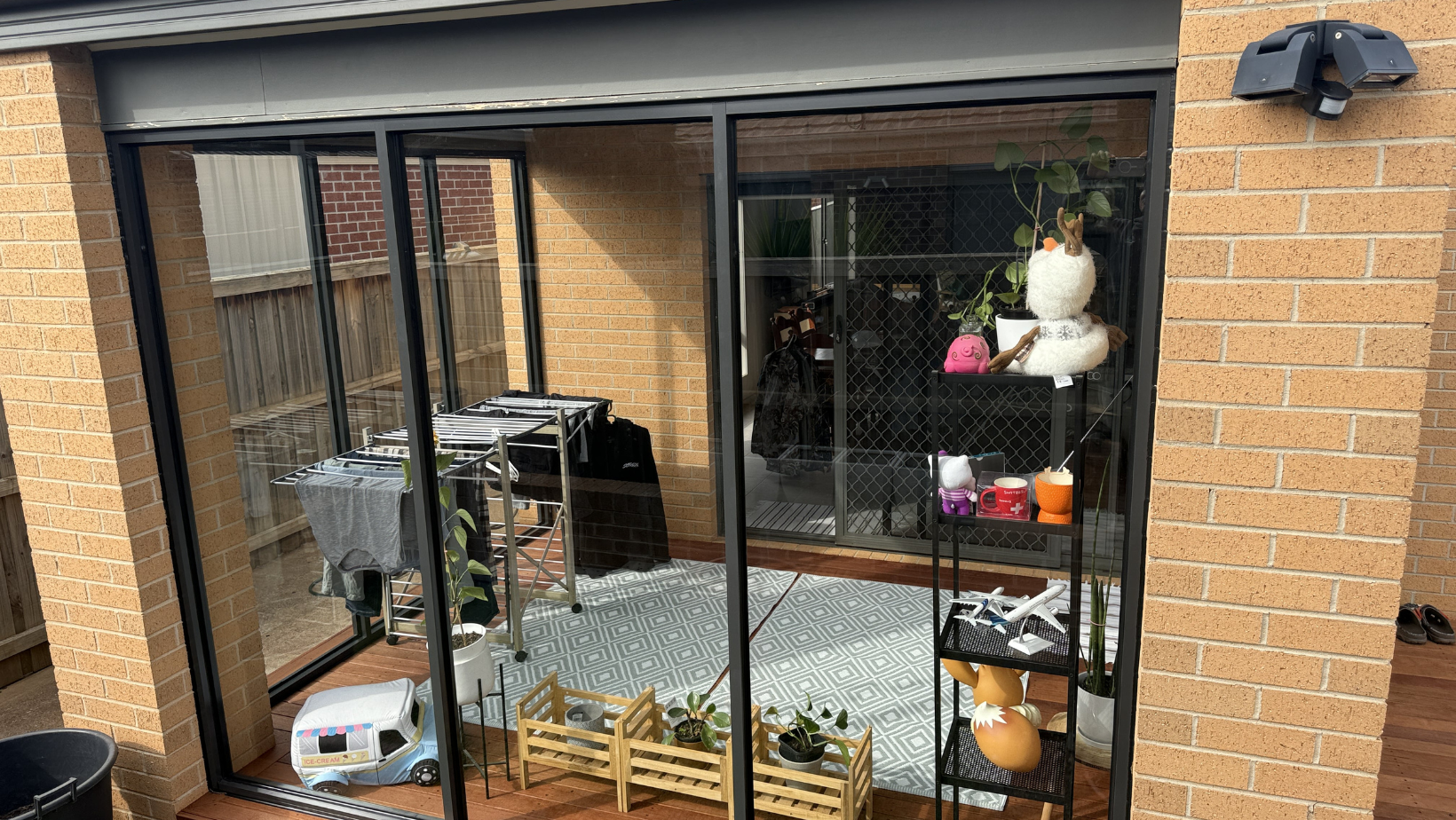

A backyard should not sit empty every time the weather turns. In Victoria, that happens often enough - strong sun one week, wind and rain the next, then a cool change right when friends are due over. That is why an all weather outdoor room appeals to so many homeowners. It gives you a space that feels open and connected to the garden, while still offering the shelter and comfort needed for everyday use.
For most households, this is not just about adding a roof. It is about making outdoor space genuinely liveable. A well-designed outdoor room can become the family dining area, the weekend entertaining zone, a quiet spot for morning coffee, or a protected play area for kids. When it is built properly, it looks like a natural extension of the home rather than an afterthought.
What makes an all weather outdoor room work

An all weather outdoor room needs to handle more than one season well. That means balancing shade, airflow, rain protection and overall comfort without making the area feel closed in or bulky. The best results come from thinking about how the space will be used across the year, not just in summer.
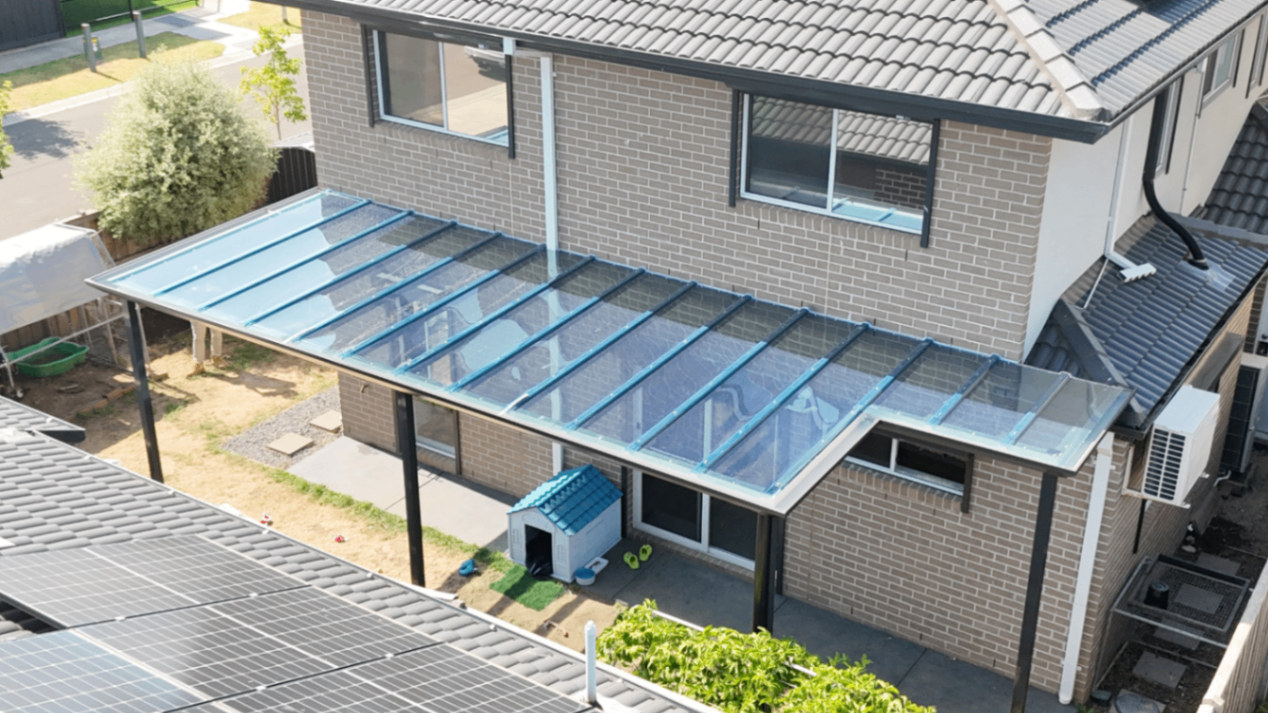
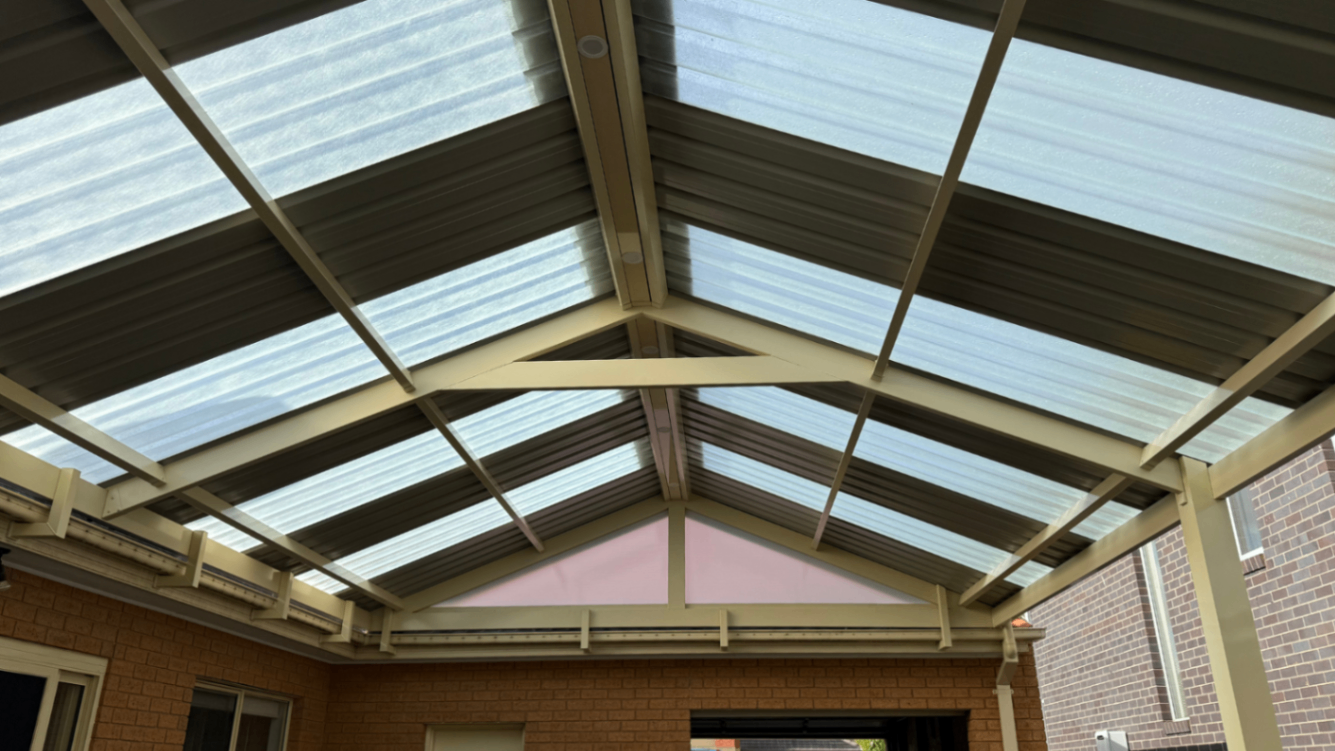
Roof design does a lot of the heavy lifting. An insulated patio roof can help reduce heat build-up and make the area more comfortable on warmer days. A louvre roof system offers flexibility, which suits homeowners who want to control sunlight and ventilation as conditions change. If you want stronger enclosure and a more room-like feel, a sunroom or partially enclosed structure may make more sense.
It also depends on the position of your home. A west-facing backyard usually needs stronger sun control in the afternoon. A more exposed block might need extra attention to wind and driving rain. These details matter because they affect whether the space feels comfortable for one month of the year or for most of it.
Choosing the right structure for your home

There is no single version of an all weather outdoor room that suits every property. The right choice depends on your layout, your lifestyle and how integrated you want the new area to feel.
A pergola can be a great option if your main goal is filtered shade and a lighter visual look. It works well when you want a defined outdoor zone without fully enclosing it. A verandah tends to suit homes that need practical weather cover along the side or rear of the house, especially where access and everyday movement matter.
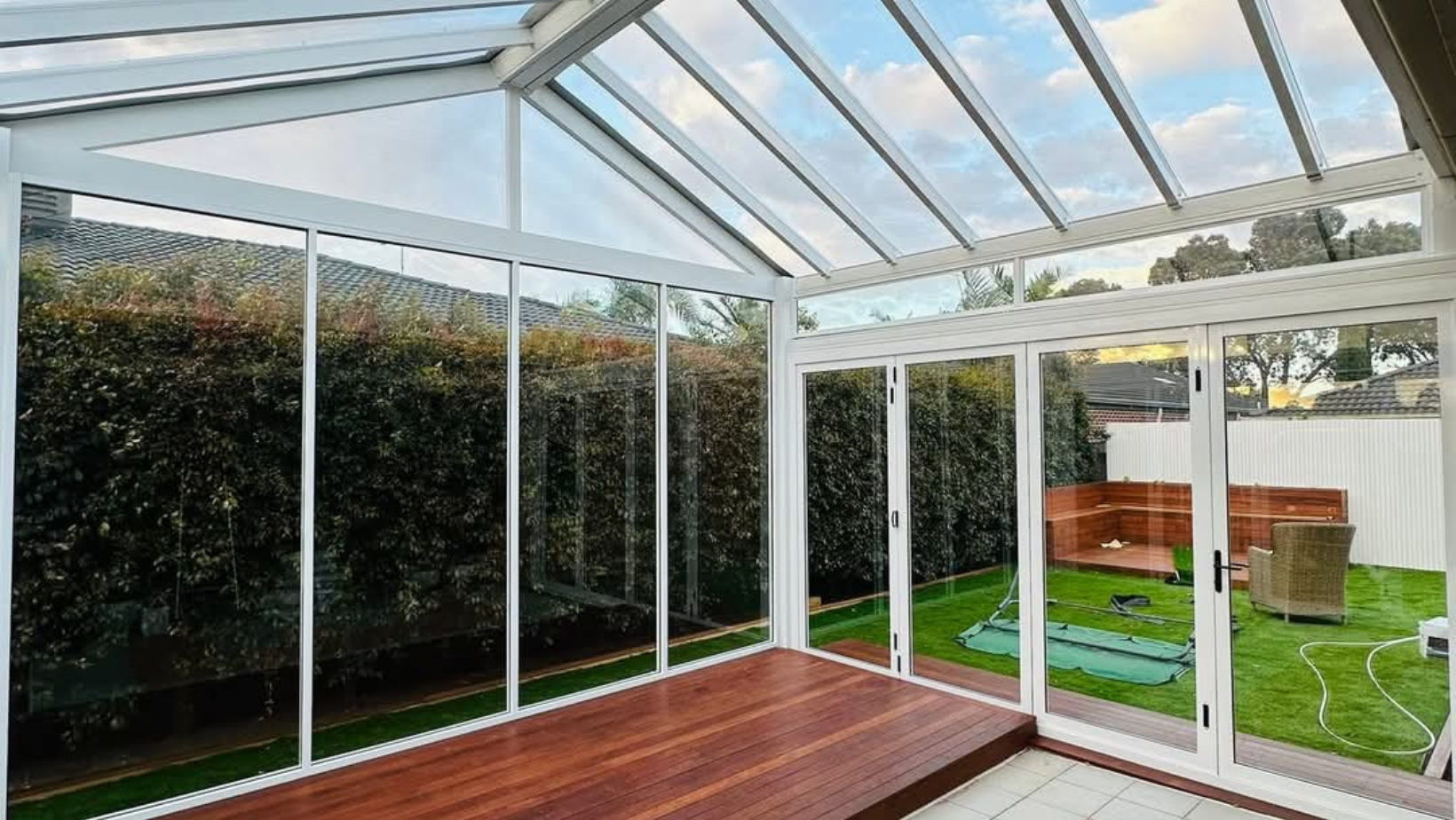
For homeowners focused on year-round entertaining, insulated patios are often the stronger choice. They provide better shelter and a more finished appearance, and they can be customised to suit both modern and traditional homes. If you want a truly enclosed space that still captures natural light, a sunroom offers the most indoor-outdoor crossover.
The key is not choosing the biggest structure. It is choosing one that matches how you live. A compact outdoor room that gets used every week is far more valuable than a larger one that feels awkward, too hot or too exposed.
Why materials matter in an all weather outdoor room

A good design can be let down by poor material choices. For an all weather outdoor room, durability is not a bonus. It is the whole point.
Australian conditions are hard on outdoor structures. Roofing, framing and finishes all need to cope with sun exposure, moisture and temperature shifts without ageing badly or demanding constant attention. That is why many homeowners prefer products like Colourbond and other proven Australian materials. They offer a cleaner long-term result and help the structure keep its appearance over time.
Material choice also affects the overall look of the build. Some homes suit a crisp, contemporary finish with clean roof lines and minimal detailing. Others need a softer style that blends with existing brickwork, trim colours or timber decking. The most successful projects treat the outdoor room as part of the house, not something bolted on later.
This is where custom design has a clear advantage over off-the-shelf options. Standard kits can work in some situations, but they often struggle to match roof pitches, ceiling heights and existing architecture. A tailored structure gives you more control over function and appearance, which usually leads to a better result.
Comfort is about more than cover

Many outdoor areas provide shade, but not all of them feel comfortable to spend time in. Real comfort comes from how the whole space performs.
Airflow is one of the biggest factors. A covered area that traps heat can become unpleasant quickly, especially on still summer days. Ceiling height, roof style and the degree of enclosure all influence ventilation. Too open, and you may lose weather protection. Too enclosed, and the area can feel stuffy. Getting that balance right is part of good design.
Lighting matters as well. If you plan to use the space for evening meals or relaxed entertaining, the room needs to feel inviting after dark. Layout is just as important. You want enough space for furniture, movement and sightlines without cramming the area or leaving it feeling empty.
Then there is the practical side. How easily can you step from the kitchen into the outdoor room? Does the new structure improve the way your backyard works, or just take up space? The best outdoor rooms make daily life easier. They create a sheltered zone exactly where the household already wants to gather.
Design choices that add value without overcomplicating things

Homeowners often assume a bigger build automatically means a better outcome. In practice, smart decisions usually matter more than extra size.
Matching the structure to the existing home is one of the simplest ways to lift the finished result. Roof profile, post style, colours and trim should all sit comfortably with the house. A well-integrated outdoor room looks intentional and can improve street appeal and backyard presentation at the same time.
It also helps to think ahead. If you may want decking, privacy screening or further landscaping later, the initial design should allow for that. Planning the structure in context can save you from awkward compromises down the track.
There is also value in being honest about how enclosed the space really needs to be. Some families want an airy alfresco feel with strong overhead protection. Others are trying to create an extra room they can rely on through much of winter. Neither approach is wrong, but the build should reflect that goal from the start.
The trade-offs homeowners should know

Every outdoor structure involves choices. More enclosure can improve weather protection, but it may reduce ventilation. A louvre roof gives flexibility, but a fixed insulated roof often provides stronger thermal performance and a more solid feel. Larger spans can create a more open entertaining area, though they may need careful engineering and design to keep the look refined.
This is why a site-specific approach matters. The right answer depends on orientation, block conditions and how your family uses the space. What works beautifully on one property may feel wrong on another, even if the homes are similar in size.
For homeowners across Greater Melbourne, local weather patterns make this even more relevant. Sudden changes in temperature and exposure can quickly reveal whether a structure has been properly planned. A room that works well year-round is rarely the result of guesswork.
Why custom planning pays off

An outdoor room is a lifestyle upgrade, but it is also a construction project attached to your home. That means details such as compliance, structural fit, drainage and finish quality all matter. A custom build allows those details to be resolved properly rather than forced into a standard format.
It also gives you a better chance of creating a space that feels personal. Some homeowners want a calm family retreat. Others want a polished entertaining area that is ready for weekend barbecues and larger gatherings. The structure, layout and material selections should support that outcome.
That hands-on planning process is where experienced builders bring real value. A team that understands outdoor living can guide you through practical decisions, suggest suitable options and tailor the design to the home you already have. Sam Outdoor Living takes that approach because a better fit usually means a better long-term result.
A well-built all weather outdoor room should not feel like a compromise between indoors and outdoors. It should give you the best parts of both - fresh air, natural light, dependable shelter and a space you actually use. If your backyard has the potential to do more, the right design can turn it into one of the hardest-working parts of your home.
Frequently Asked Questions
What services does Sam Outdoor Living provide?
We specialize in designing and building custom outdoor structures, including patios, pergolas, carports, decking, sunrooms, louvres and insulated roofing systems. We use high-quality materials from trusted brands like Stratco, Palram, Lysaght, Ekodeck.
Do you offer warranties on your structures?
Yes, all our structures come with a 5-year workmanship warranty, an 8-year paint finish warranty, and a 12-year structural warranty. *Terms and Conditions applied.
Do I need council approval for my outdoor structure?
Some projects may require council approval. Our team can assist with the application process to ensure all necessary permits are obtained.
How do I get a quote for my project?
You can request a free, no-obligation quote by filling out the form on our website or contacting us directly at +61 421 515 768. We’ll schedule an on-site consultation to discuss your ideas and provide a free estimate.
What areas do you service?
We serve customers from all suburbs across Victoria. If you’re unsure whether we service your area, feel free to contact us at +61 421 515 768.
Recent Blogs

Have a Project in Mind?
Ready to transform your outdoor space? We’ll provide a personalized, no-obligation quote tailored to your needs. Simply fill out the form below, and we’ll be in touch soon!

Get Free Quote
Award winning products


We are dedicated to crafting beautiful, functional outdoor spaces that blend seamlessly with your home