

How To Budget Outdoor Renovation Wisely
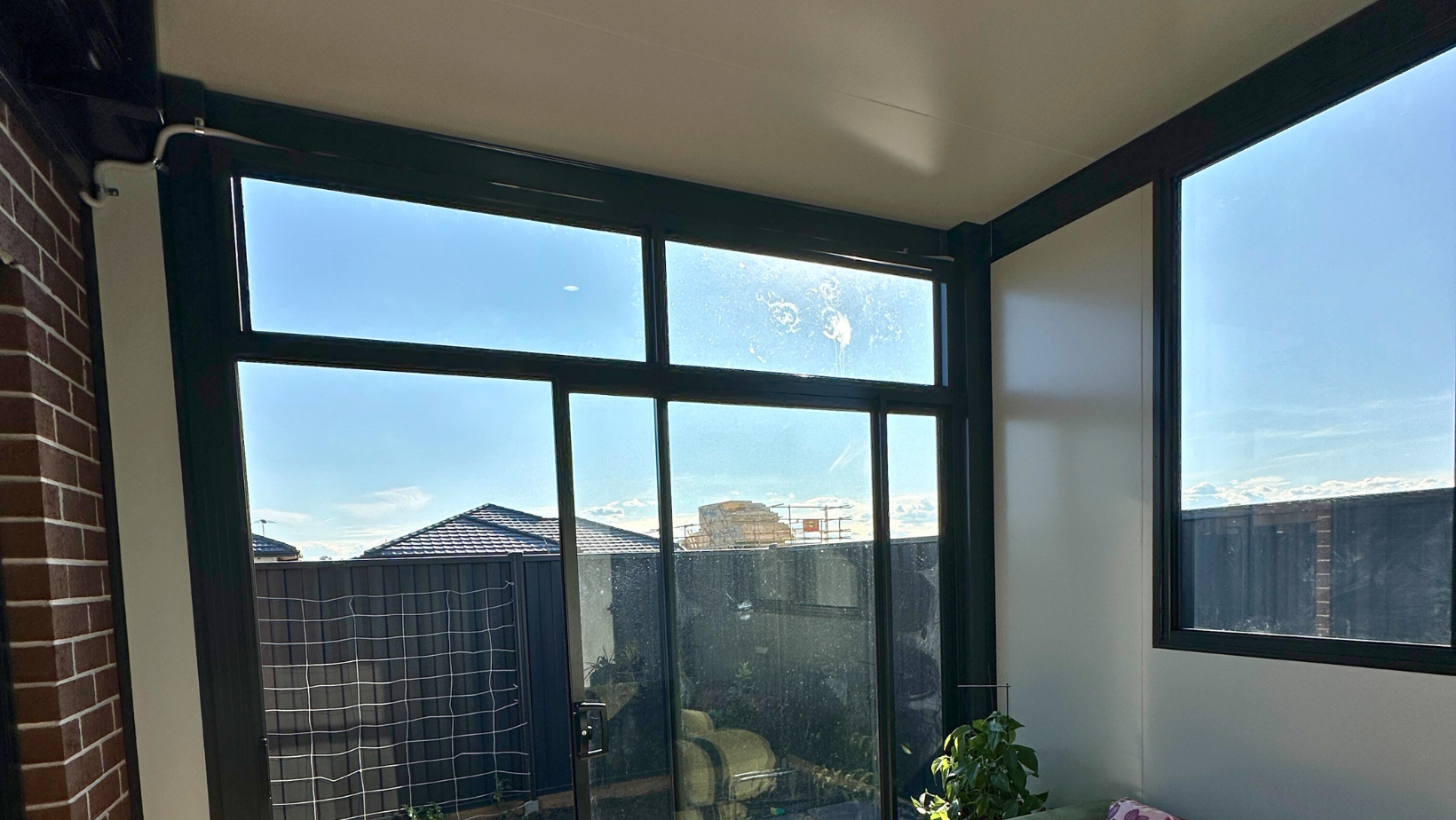

A good outdoor renovation can change how you use your home every day. More shade over the alfresco, better weather protection, a proper entertaining zone, or a carport that finally suits the frontage - these upgrades add comfort and function in a very real way. But if you're working out how to budget outdoor renovation plans, the smartest place to start is not with products. It's with priorities.
Too many homeowners begin by pricing materials before they have decided what the space actually needs to do. That is where budgets start to drift. When the purpose is clear, the spending decisions become clearer too.
How to budget outdoor renovation projects from the start

Start by defining the job in plain terms. Are you trying to create a shaded family area for year-round use? Add a verandah that matches the home? Build a deck that improves flow from indoors to outdoors? Cover a driveway with a carport that looks considered rather than tacked on? Each goal points to a different scope, and scope is what shapes budget.
A practical budget begins with three categories. The first is essential function - the part of the project you genuinely need. The second is appearance - finishes, profiles, colours, and styling choices that improve the look. The third is optional extras - features you would like if the budget allows. Keeping these categories separate helps you protect the value of the project without feeling like every design choice is all or nothing.
This matters because outdoor renovations are rarely just cosmetic. A patio, pergola, sunroom or decking project affects how the home works, how much use you get from the yard, and how well the new structure holds up over time. The wrong place to cut back is often the part you do not see immediately, such as structural quality, material suitability or proper design integration.
Set a realistic budget range, not a single number

One of the most useful budgeting habits is to work with a range rather than a fixed figure. A single number can force rushed compromises if site conditions, approvals or design choices shift. A range gives you room to make better decisions without losing control.
For most homeowners, a sensible approach is to decide on a comfortable spend, then identify the upper limit you would still feel confident with if the final design delivered stronger long-term value. That difference creates breathing room. It also makes conversations with builders more productive, because you can be upfront about where flexibility exists and where it does not.
This is especially helpful when comparing outdoor structures. For example, a simple open pergola and a more protective insulated patio may both solve the shade problem, but they do not deliver the same level of comfort across different weather conditions. Likewise, a standard deck layout and a more tailored build that works around levels, access, and entertaining zones can feel very different once installed. Budgeting by outcome, not just by item, usually leads to a better result.
Prioritise the features that change daily use

If you want to minimise spend without reducing the impact of the renovation, focus first on the features that improve daily life. Protection from sun and rain, usable floor area, privacy, airflow, and a layout that supports how your household actually moves through the space are usually worth more than purely decorative upgrades.
That means it can be smarter to simplify some finish selections and preserve the core structure, rather than stretch the budget on looks while compromising practical performance. A well-built patio with the right coverage and proportions will usually serve you better than a more visually ambitious design that leaves key parts of the area exposed or awkward to use.
This is where tailored design matters. Outdoor renovations work best when they are planned around the home, not treated as an add-on. Roofline, orientation, access points, drainage, surrounding landscaping, and neighbouring sightlines all influence what will feel right. Homeowners often save money in the long run by getting the layout right the first time instead of trying to correct a design that never quite suited the space.
Compare like for like when reviewing quotes

Budget blowouts often start before construction begins - usually when homeowners compare quotes that are not covering the same scope. One quote may include a more complete design response, better materials, site-specific considerations, or a cleaner installation approach. Another may look lower simply because key details have not been addressed yet.
When you compare options, look beyond the headline figure. Check what type of structure is being proposed, what level of customisation is included, how the design connects to the existing home, and whether the materials suit Victorian conditions. Ask whether the quote reflects a complete job or whether likely additions may arise once plans are finalised.
The cheapest option is not always the most affordable one. A well-considered quote can offer better value if it reduces compromises, avoids awkward retrofits, and delivers a finish that feels like part of the home rather than a separate structure. For many households, that difference is worth far more than a short-term saving.
How to budget outdoor renovation choices without overbuilding

One of the biggest traps in outdoor projects is building more than you need. Bigger is not always better if the extra footprint does not improve use. The same goes for loading a design with features that sound appealing but add little to how the space functions.
A better approach is to ask a few direct questions. How many people use the space regularly? Do you need year-round protection or mainly summer shade? Is the goal family dining, quiet relaxation, vehicle cover, or a flexible entertaining area? Will the structure need to tie in closely with the existing roofline and façade? These answers help narrow the project to what actually supports your lifestyle.
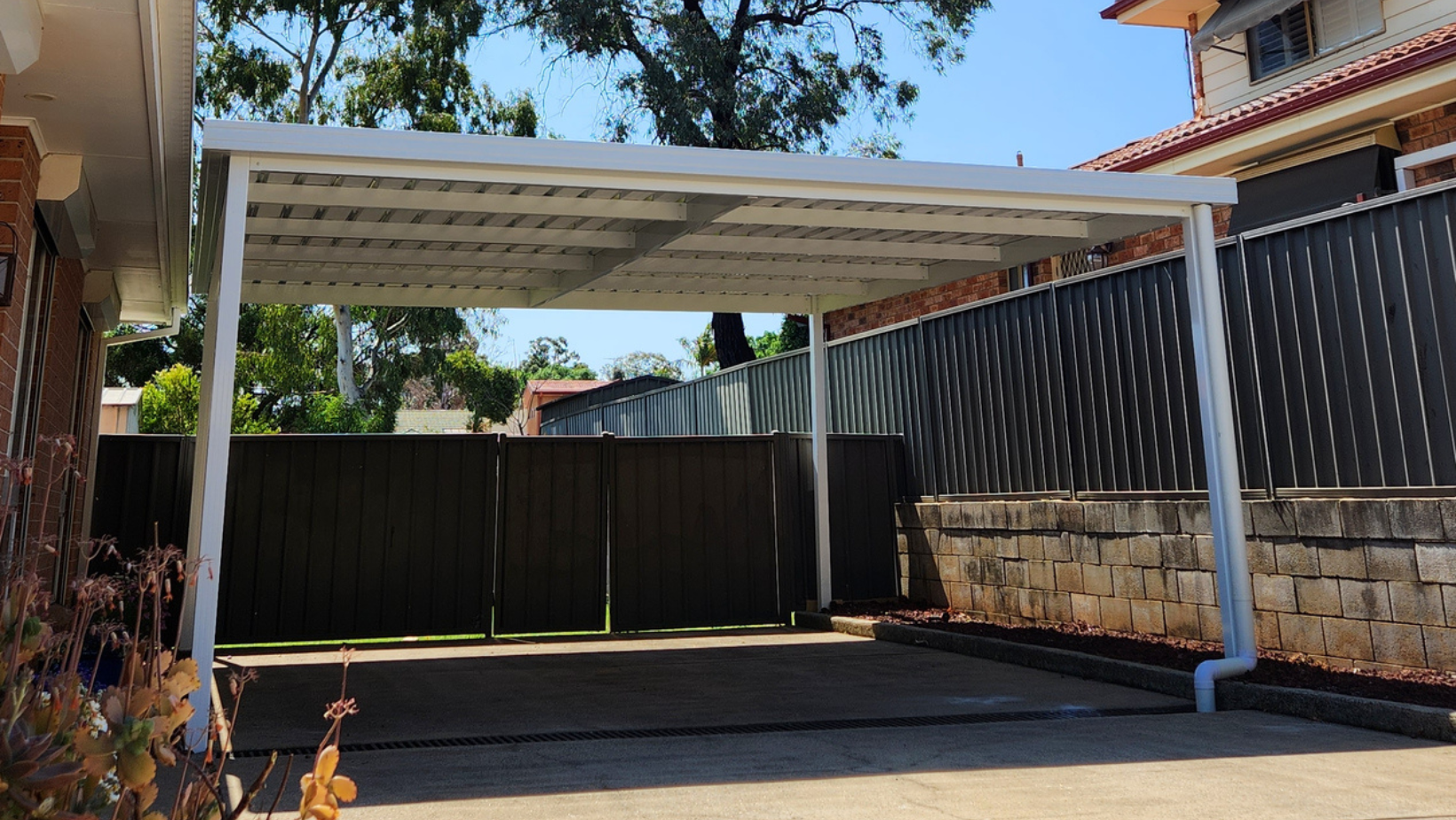
For example, a family wanting a comfortable outdoor area near the kitchen may get more value from a thoughtfully positioned insulated patio than from a larger open structure that is harder to use in poor weather. A homeowner needing street-facing vehicle cover may be better served by a carport designed to complement the home, rather than chasing a larger build that dominates the frontage. Good budgeting is often about restraint, not reduction.
Leave room for site and approval factors

No two homes are exactly alike, and outdoor construction is shaped by more than the structure itself. Site levels, access, existing slabs, drainage, roof connections, council considerations, and the way the house has been built can all influence the final scope.
That is why it is wise to keep a contingency within the overall budget. Not because problems are guaranteed, but because responsible planning leaves room for genuine variables. Homeowners who budget too tightly from the outset often end up making pressure decisions later, usually around finishes or features they actually cared about.
A clearer path is to treat approvals, site-specific requirements, and construction practicalities as part of the renovation budget from day one. They are not side issues. They are part of delivering a finished outdoor space properly.
Spend where durability counts

Outdoor structures live with sun, rain, wind, and temperature shifts. In Australia, that is not a small consideration. So while it makes sense to keep an eye on costs, budgeting should still protect the parts of the build that influence longevity.
Materials, workmanship, and structural suitability all matter more outdoors than many people expect. A project that looks good at handover but does not hold up well through the seasons can become a frustration rather than an upgrade. This is why many homeowners prefer Australian-made materials and established systems with a solid reputation. They want confidence that the finish will last and that the structure has been built to suit real conditions, not just to meet a basic brief.
Craftsmanship also plays a direct role in value. A custom patio, pergola, verandah or deck should feel integrated with the home, not visually separate from it. Clean lines, thoughtful detailing, and proper proportions make a difference. They affect both enjoyment and perceived quality, which is why skilled design and installation are worth protecting in the budget.
Stage the project if that gives you a better result

If the ideal renovation sits above your current comfort level, staging can be a smart option. That does not mean doing a temporary version now and replacing it later. It means planning the overall outcome properly, then completing it in a sequence that makes sense.
You might begin with the core structure that creates shade, shelter or cover, then complete additional features when the timing suits. The key is making sure the first stage is designed with the full vision in mind. That way, your money goes into a strong foundation rather than into workarounds.
For homeowners across Greater Melbourne, this approach can be particularly useful when balancing lifestyle goals with other household priorities. It keeps the project moving without compromising the standard of the final result.
The best outdoor renovations are not the ones with the biggest spend. They are the ones where the budget has been matched carefully to the way the space will be used, the quality expected, and the long-term value for the home. If you are planning your next project, take the time to budget with purpose. A well-planned build will always feel better than a rushed bargain.
Recent Blogs

Have a Project in Mind?
Ready to transform your outdoor space? We’ll provide a personalized, no-obligation quote tailored to your needs. Simply fill out the form below, and we’ll be in touch soon!

Get Free Quote
Award winning products


We are dedicated to crafting beautiful, functional outdoor spaces that blend seamlessly with your home