

Decking Materials Buying Guide For Homes
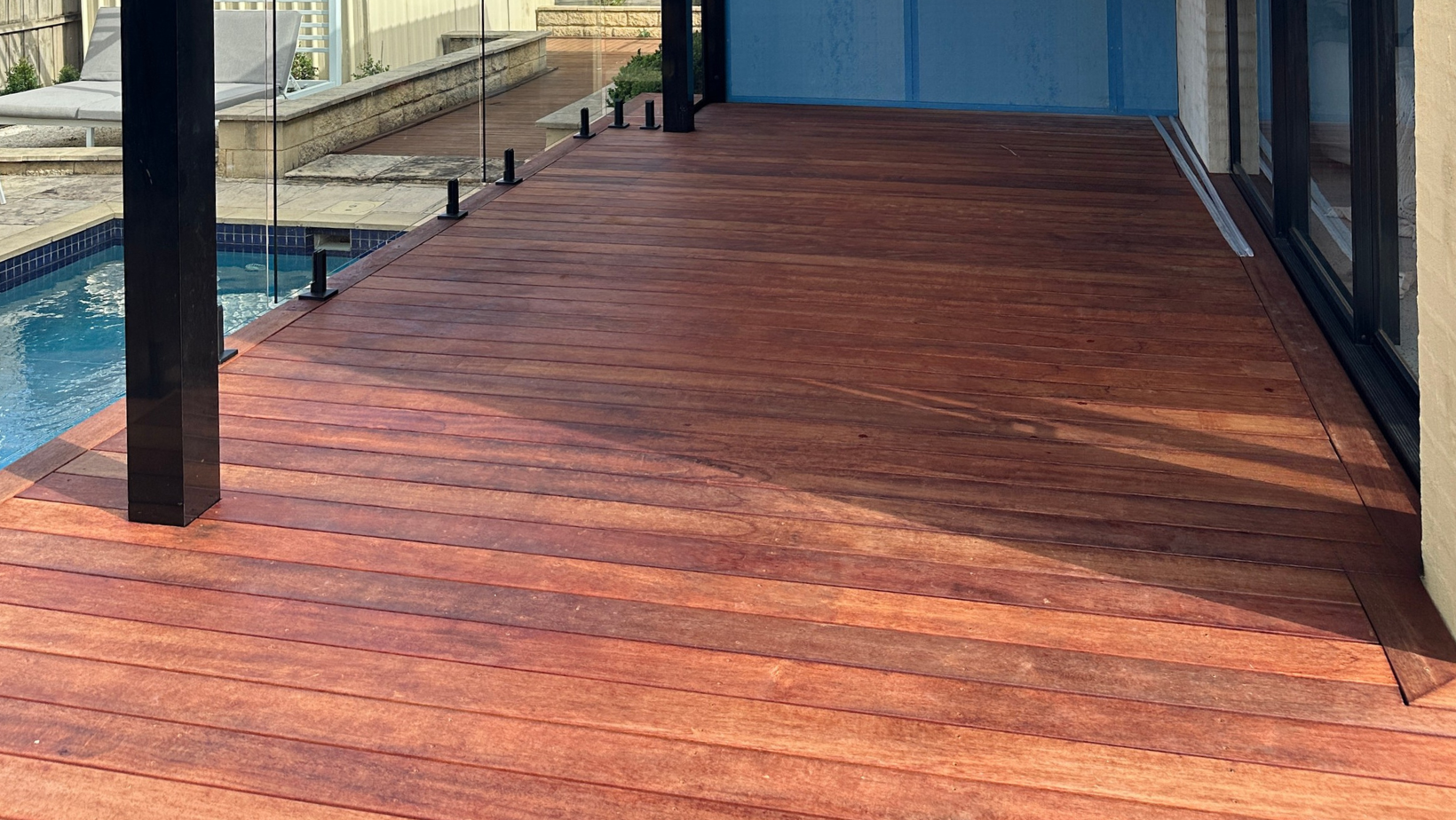

A deck can look fantastic on handover day and still be the wrong choice for your home five years later. That is why a proper decking materials buying guide matters. The best material is not simply the one that looks good in a brochure. It needs to suit your lifestyle, the amount of sun and rain your backyard gets, how much maintenance you are comfortable with, and the overall style of your home.
For many homeowners, the decision comes down to timber versus composite. That sounds simple, but there is more to it than appearance alone. Board temperature underfoot, slip resistance, long-term stability, colour consistency and how the deck works with patios, pergolas or verandahs all play a part. Choosing well at the start makes the finished space feel more comfortable, more durable and more enjoyable to use.
How to use this decking materials buying guide

Start by thinking about how your deck will actually be used. A family entertaining area around an alfresco zone has different demands from a quiet platform beside a garden or a poolside deck exposed to full sun. If you have kids running around, pets on the boards and regular furniture movement, durability will matter more than a perfectly natural grain pattern. If visual warmth is your priority, timber may be worth the added upkeep.
It also helps to think beyond the deck boards themselves. The material you choose should work with your home facade, roofline and any adjoining outdoor structure. A deck rarely stands alone. It often sits beneath a pergola, beside a patio or connects indoor and outdoor living areas. The more cohesive those elements feel, the more value the finished project adds to the home.
Timber decking materials

Timber remains a popular choice for good reason. It has natural character, a warmth that many homeowners still prefer, and a classic look that suits a wide range of Australian homes. No two boards are exactly the same, which gives timber decking a more organic finish than manufactured alternatives.
Hardwoods are generally chosen for their strength and visual appeal. They can handle outdoor conditions well when selected and installed properly, and they tend to suit homeowners who want an authentic timber look rather than a uniform manufactured finish. Many people also like that timber can be stained or oiled to bring out richer tones.
The trade-off is maintenance. Timber needs ongoing care to keep its appearance and performance up to standard. Depending on exposure, that can mean cleaning, oiling or re-coating at intervals. Some homeowners are happy to do that because they love the look of real timber. Others would rather spend weekends using the deck than maintaining it.
Timber can also respond more noticeably to moisture and temperature changes. Expansion, contraction and weathering are part of the material’s nature. That does not make it a poor choice, but it does mean installation quality matters. Good spacing, solid subframe construction and the right product selection make a real difference.
When timber is the better fit

Timber often suits character homes, garden-focused backyards and projects where natural texture is a major design feature. It is also a strong option when homeowners want flexibility in the final appearance, as coatings can influence the colour and finish over time.
If you appreciate craftsmanship, natural materials and a deck that develops character as it ages, timber can be a very satisfying investment. You simply need to go in knowing that maintenance is part of the deal.
Composite decking materials

Composite decking has become increasingly popular with homeowners who want a cleaner, lower-maintenance solution. Made from a blend of recycled wood fibres and plastics or similar engineered materials, composite boards are designed to offer a timber-like appearance with less ongoing upkeep.
The biggest drawcard is convenience. Composite does not usually need sanding, staining or oiling in the way timber does. For busy households, that can be a major advantage. It also tends to offer more consistent colour and finish across the deck, which appeals to homeowners who prefer a more streamlined look.
Another advantage is resistance to common issues such as splintering, warping and some forms of weather-related deterioration. That can make composite especially attractive for family homes where comfort and practicality are front of mind.
That said, not all composite products perform the same way. Quality varies, and so does appearance. Some boards achieve a very convincing timber look, while others can feel more obviously manufactured. Heat retention is another point worth considering, particularly in exposed areas that receive strong afternoon sun. Some darker boards can become quite warm underfoot.
When composite is the better fit

Composite usually suits homeowners who want a polished finish with less maintenance and a predictable long-term appearance. It works well in modern outdoor spaces, especially where the deck connects with contemporary patios, pergolas or outdoor entertaining areas.
If your priority is easy care and reliable day-to-day performance, composite is often the more practical choice. It is particularly appealing when the deck is meant to simplify outdoor living, not add another maintenance job to the list.
Decking materials buying guide: what to compare

Once you have narrowed your options, compare materials against the conditions of your site rather than choosing on looks alone. Sun exposure is one of the biggest factors. A board that looks perfect in shade may behave differently in full western sun. If the deck is around a pool or likely to get wet often, slip resistance becomes more important.
You should also consider foot traffic, furniture use and how often the space will be used. A deck attached to the main living area will usually get much heavier use than one in a far corner of the yard. In that case, surface durability and ease of cleaning can matter just as much as appearance.
Look closely at the board profile and finish too. Wider boards can create a sleek, contemporary look, while narrower boards often feel more traditional. Grooved or textured finishes may improve grip, but they can also influence cleaning. A good builder will help you balance style with practicality rather than pushing a one-size-fits-all recommendation.
The subframe matters more than most people think

Homeowners often focus on the visible boards and overlook what sits underneath. A well-built subframe is essential to the deck’s stability, lifespan and overall finish. Even the best decking board will not perform properly if the structure below it is poorly planned or installed.
Material choice and frame design should work together. Different decking products have different fixing requirements, span expectations and movement characteristics. That is why tailored design matters. A custom-built deck should respond to the site, the adjoining structure and the intended use of the space.
This is also where workmanship becomes obvious over time. Clean lines, even spacing, proper board alignment and a solid understructure all contribute to how the deck looks and feels years after installation.
Matching your deck to your home

A successful deck feels like part of the home, not an add-on. That means the material should complement the house exterior, surrounding hardscaping and any roofed outdoor area nearby. A warm-toned timber may suit a brick home with established gardens, while a grey composite could work beautifully with a more modern facade and minimalist landscaping.
It is worth considering contrast as well. Sometimes the best result comes from choosing a material that gently offsets the exterior rather than matching it exactly. The goal is a balanced, intentional finish that lifts the entire outdoor area.
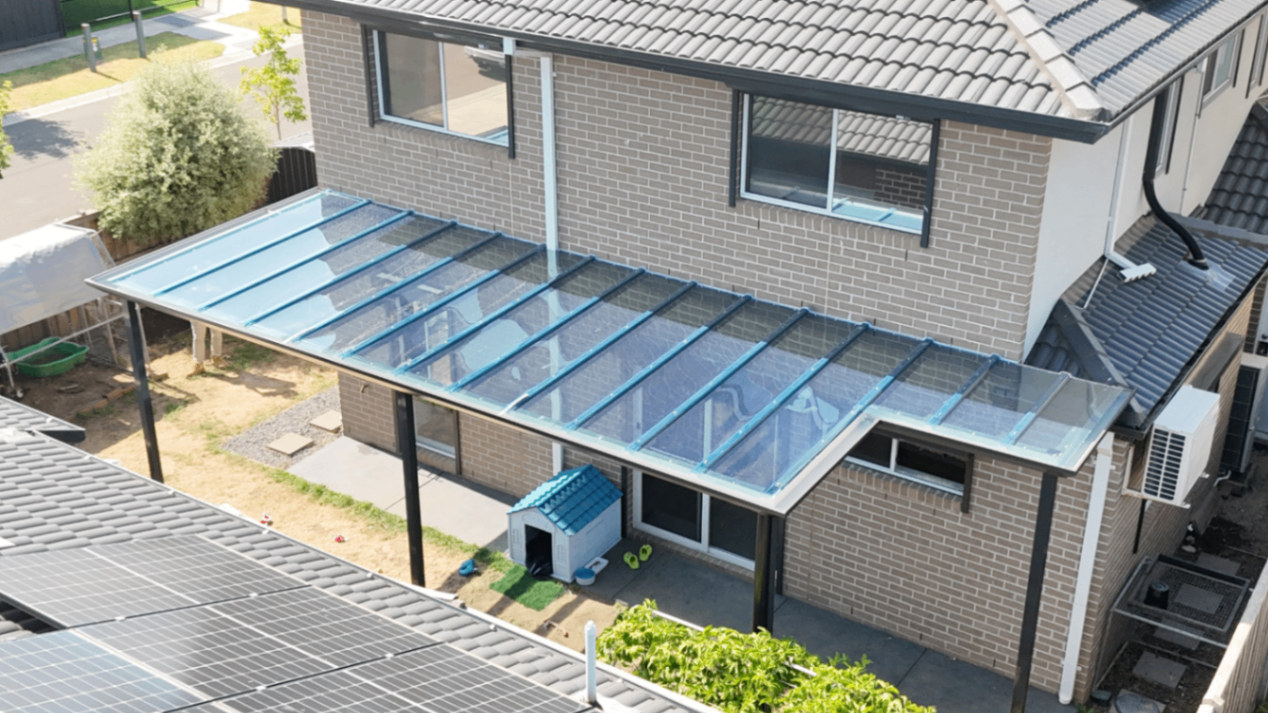
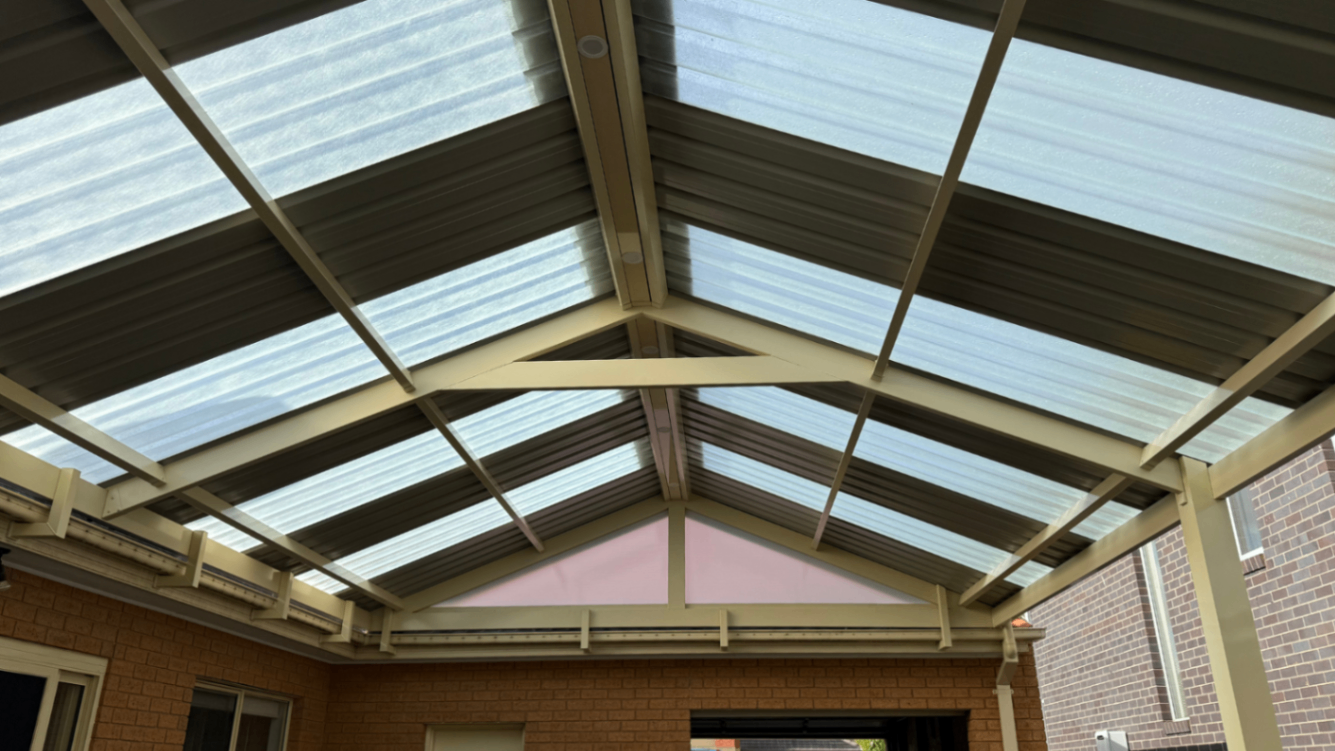
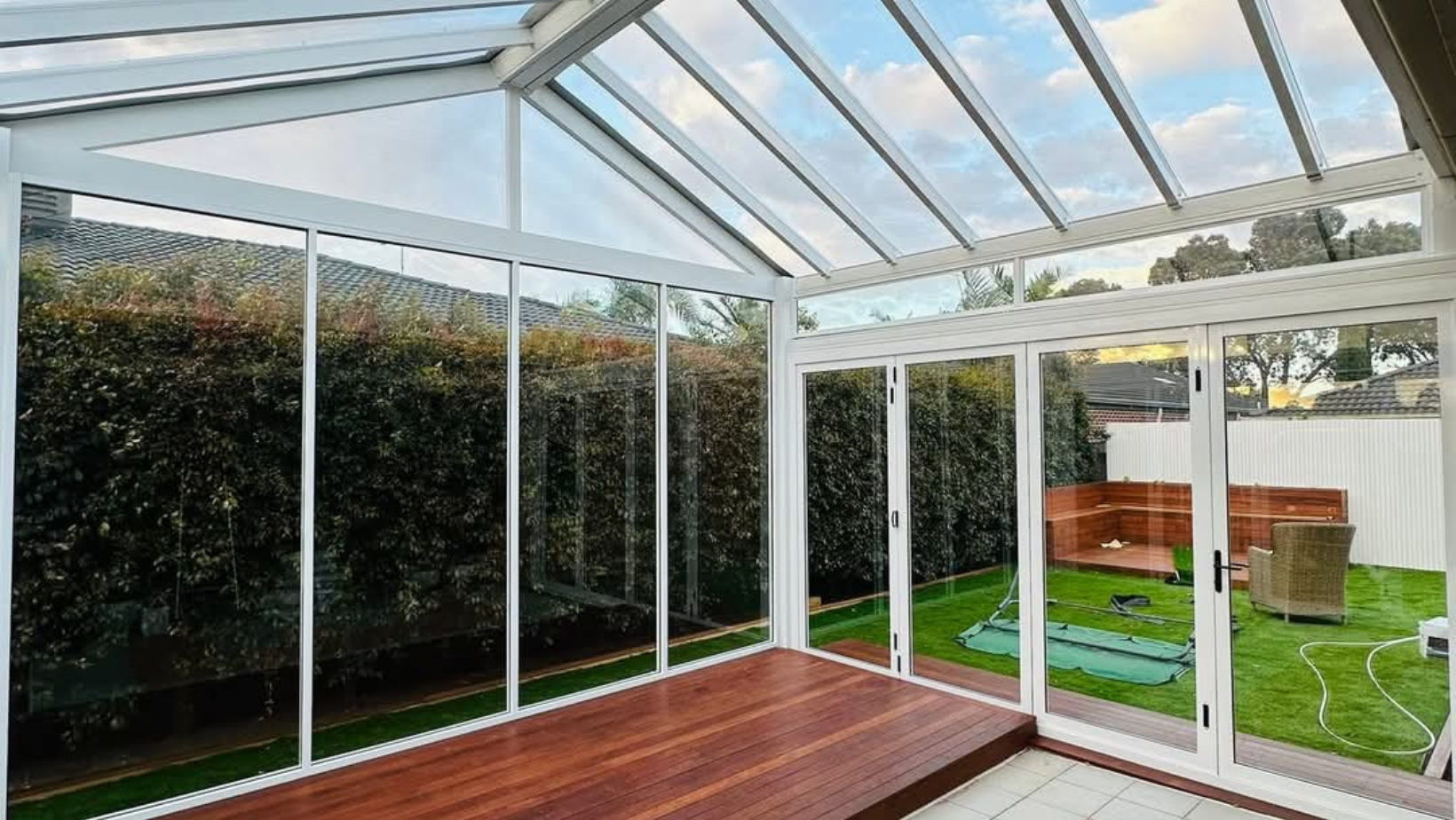
For homeowners planning a broader backyard upgrade, it often makes sense to choose decking in the context of the full project. If you are adding a pergola, insulated patio or verandah, selecting materials together usually leads to a more cohesive result.
Which option is right for you?

If you want natural warmth, unique grain and classic appeal, timber is still hard to beat. If you want lower maintenance, consistent appearance and everyday practicality, composite makes a compelling case. Neither is automatically better in every setting.
The right answer depends on how you live, how much maintenance you are willing to take on and what kind of finish you want your outdoor space to have. This is where experienced guidance helps. A good builder will not just ask which board you like. They will ask how the space is used, what your home needs and what will hold up best over time.
At Sam Outdoor Living, that is the difference a custom approach makes. The goal is not to fit your project into a standard product choice. It is to help create an outdoor area that looks right, performs well and feels like a natural extension of the home.
Before you make a final decision, ask to see material samples in natural light, think carefully about maintenance expectations and consider the deck as part of the whole outdoor living plan. The best decking choice is the one you will still be happy to step onto every day.
Frequently Asked Questions
What services does Sam Outdoor Living provide?
We specialize in designing and building custom outdoor structures, including patios, pergolas, carports, decking, sunrooms, louvres and insulated roofing systems. We use high-quality materials from trusted brands like Stratco, Palram, Lysaght, Ekodeck.
Do you offer warranties on your structures?
Yes, all our structures come with a 5-year workmanship warranty, an 8-year paint finish warranty, and a 12-year structural warranty. *Terms and Conditions applied.
Do I need council approval for my outdoor structure?
Some projects may require council approval. Our team can assist with the application process to ensure all necessary permits are obtained.
How do I get a quote for my project?
You can request a free, no-obligation quote by filling out the form on our website or contacting us directly at +61 421 515 768. We’ll schedule an on-site consultation to discuss your ideas and provide a free estimate.
What areas do you service?
We serve customers from all suburbs across Victoria. If you’re unsure whether we service your area, feel free to contact us at +61 421 515 768.
Recent Blogs

Have a Project in Mind?
Ready to transform your outdoor space? We’ll provide a personalized, no-obligation quote tailored to your needs. Simply fill out the form below, and we’ll be in touch soon!

Get Free Quote
Award winning products


We are dedicated to crafting beautiful, functional outdoor spaces that blend seamlessly with your home