

Best Low Maintenance Decking Options
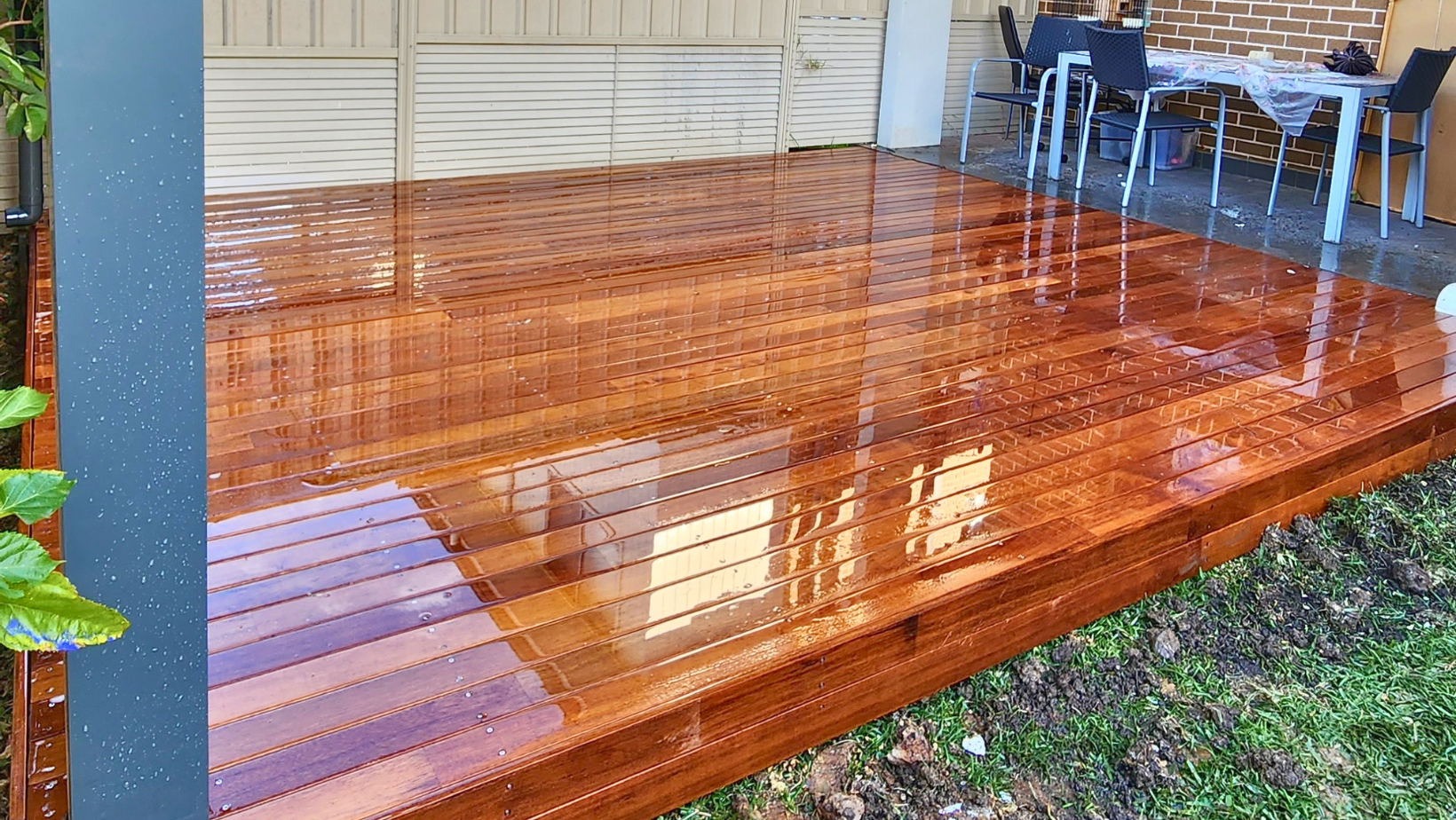

A deck should make outdoor living easier, not add another weekend job to the list. When homeowners ask about the best low maintenance decking, they are usually trying to balance three things at once - appearance, durability, and the amount of ongoing care the surface will need over the years.
That balance matters more than people expect. A deck sits out in full sun, rain, leaf litter, muddy shoes, barbecue spills, and daily family use. In Victoria, where conditions can swing from harsh summer heat to wet, cold periods, the right decking choice is not just about looks on day one. It is about how well the material holds up and how much effort it takes to keep the area looking clean, safe, and inviting.
What does low maintenance decking actually mean?

Low maintenance does not mean no maintenance. Every decking material needs basic care such as sweeping, washing, and keeping drainage clear. What changes is the level of upkeep needed to preserve the finish and performance.
For most homeowners, low maintenance decking means a board that does not need frequent sanding, staining, sealing, or repainting. It should resist fading reasonably well, cope with moisture, and stand up to general wear without demanding constant attention. If you want an outdoor area that stays presentable with simple cleaning and very little ongoing treatment, that is the standard worth aiming for.
Best low maintenance decking materials to consider
There is no single best option for every home. The right choice depends on your design goals, your tolerance for upkeep, and how exposed the deck will be to sun and weather.
Composite decking

Composite decking is one of the most popular answers when people ask for the best low maintenance decking. It is made from a blend of recycled wood fibres and plastic, designed to give the look of timber with far less upkeep.
Its biggest advantage is consistency. Composite boards do not need staining or oiling the way natural timber does, and they are generally less prone to splintering, warping, and surface cracking. For busy households, that is a major plus. A simple clean with water and mild detergent is often enough to keep the boards looking fresh.
That said, composite is not all the same. Lower-grade products can fade faster, mark more easily, or feel less natural underfoot. Quality matters, especially on a custom outdoor build where the deck is expected to last and complement the home. It is also worth noting that darker boards can get warmer in direct sun, so colour selection should be part of the planning.
PVC decking

PVC decking goes a step further in terms of moisture resistance because it contains no timber fibres. This makes it a strong option for homes where damp conditions, poolside use, or shaded areas may create more moisture exposure.
From a maintenance point of view, PVC is very appealing. It will not require sealing or oiling, and it is highly resistant to rot and insect damage. It is also easy to clean, which suits families who want a practical entertaining area without a lot of ongoing effort.
The trade-off is appearance. Some PVC boards can look more manufactured than timber or premium composite, and the feel underfoot can differ as well. For homeowners who place a high value on a natural timber look, that may be a deciding factor.
Hardwood timber decking

Timber is not usually the first material people think of when they search for the best low maintenance decking, but it still has a place in the conversation. Australian hardwoods have real visual warmth, character, and a premium natural finish that many homeowners still prefer.
The challenge is upkeep. Timber generally needs regular oiling or sealing to maintain colour and help protect against weathering. Without that care, it can grey off, dry out, and show more visible ageing over time. Some people are happy with that natural weathered look. Others want a deck that stays closer to its original finish, which means committing to maintenance.
If appearance is your top priority and you do not mind periodic care, hardwood can still be an excellent long-term choice. It is simply not the easiest option if your goal is minimal upkeep.
Which decking option is best for busy households?

For most family homes, quality composite decking offers the best balance. It gives a clean, modern finish, keeps maintenance manageable, and suits a wide range of outdoor designs from alfresco entertaining areas to pool surrounds and backyard platforms.
PVC can be the better fit in very moisture-prone settings, while hardwood suits homeowners who want natural timber and are comfortable with ongoing care. The key is being honest about how much maintenance you will realistically do once the deck is built. Many people like the idea of timber upkeep more than the reality of it.
How climate affects your decking choice

A material that performs well in one setting may be less suitable in another. That is why local conditions should always be part of the decision.
In Greater Melbourne and across Victoria, decks can be exposed to strong UV, heavy rain, and seasonal temperature changes. Materials that resist movement, moisture absorption, and fading tend to perform better over time. This is one reason composite and PVC have become more popular for homeowners who want a dependable outdoor surface without regular refinishing.
Sun exposure also affects comfort and appearance. Lighter board colours may stay cooler and show less heat build-up, while darker colours can create a striking finish but may feel warmer underfoot. Placement, orientation, and whether the deck sits under a patio or pergola can all influence what will work best.
Low maintenance does not mean low quality

Some homeowners worry that choosing a lower-maintenance board means compromising on style or build quality. In practice, the opposite can be true when the deck is properly designed and installed.
A great deck is not just about the board itself. Subframe quality, drainage, ventilation, spacing, fixing methods, and edge detailing all play a role in how the finished area performs. Even the best low maintenance decking can disappoint if the installation is poor. On the other hand, a well-built deck using quality materials can look sharp for years with relatively simple upkeep.
This is where a custom approach matters. The deck should suit the house, the intended use of the space, and the amount of sun, shade, and weather exposure the site receives. A tailored design nearly always delivers a better long-term result than choosing boards in isolation.
How to choose the best low maintenance decking for your home

Start with how you want to use the space. If the deck will be a high-traffic family area for entertaining, kids, pets, and outdoor dining, durability and easy cleaning should sit at the top of the list. Composite or PVC often makes the most sense here.
If your priority is a natural, high-end finish and you are prepared to maintain it, hardwood timber may still be worth considering. It brings warmth that manufactured boards work hard to replicate, but it does ask more from the owner over time.
It also helps to think beyond the deck boards. Shade structures, roof coverage, and surrounding landscaping can reduce exposure and make maintenance easier overall. A deck under a well-designed patio will generally stay cleaner and more protected than one fully exposed to the elements.
Finally, ask to see samples in natural light. Colours and textures can look very different outdoors compared with a brochure or showroom display. What feels right for one home can look out of place on another, especially when matching existing exterior materials.
A smart choice now saves effort later

The best low maintenance decking is the one that suits your home, your lifestyle, and the level of care you are genuinely willing to give it. For many homeowners, that points to a quality composite product. For others, PVC or hardwood may be the better fit depending on exposure, design preferences, and how they want the space to feel.
At Sam Outdoor Living, we see the difference that thoughtful planning makes. A deck is not just a surface. It is where family life, entertaining, and quiet weekends happen. Choosing a material that keeps upkeep simple can make that space more enjoyable from the start and far easier to live with for years to come.
If you are weighing up options, focus on the full picture - appearance, performance, climate suitability, and installation quality. The right decision is the one that gives you a deck you will use often and worry about less.
Frequently Asked Questions
What services does Sam Outdoor Living provide?
We specialize in designing and building custom outdoor structures, including patios, pergolas, carports, decking, sunrooms, louvres and insulated roofing systems. We use high-quality materials from trusted brands like Stratco, Palram, Lysaght, Ekodeck.
Do you offer warranties on your structures?
Yes, all our structures come with a 5-year workmanship warranty, an 8-year paint finish warranty, and a 12-year structural warranty. *Terms and Conditions applied.
Do I need council approval for my outdoor structure?
Some projects may require council approval. Our team can assist with the application process to ensure all necessary permits are obtained.
How do I get a quote for my project?
You can request a free, no-obligation quote by filling out the form on our website or contacting us directly at +61 421 515 768. We’ll schedule an on-site consultation to discuss your ideas and provide a free estimate.
What areas do you service?
We serve customers from all suburbs across Victoria. If you’re unsure whether we service your area, feel free to contact us at +61 421 515 768.
Recent Blogs

Have a Project in Mind?
Ready to transform your outdoor space? We’ll provide a personalized, no-obligation quote tailored to your needs. Simply fill out the form below, and we’ll be in touch soon!

Get Free Quote
Award winning products


We are dedicated to crafting beautiful, functional outdoor spaces that blend seamlessly with your home