

12 Sunroom Ideas For Backyards That Work
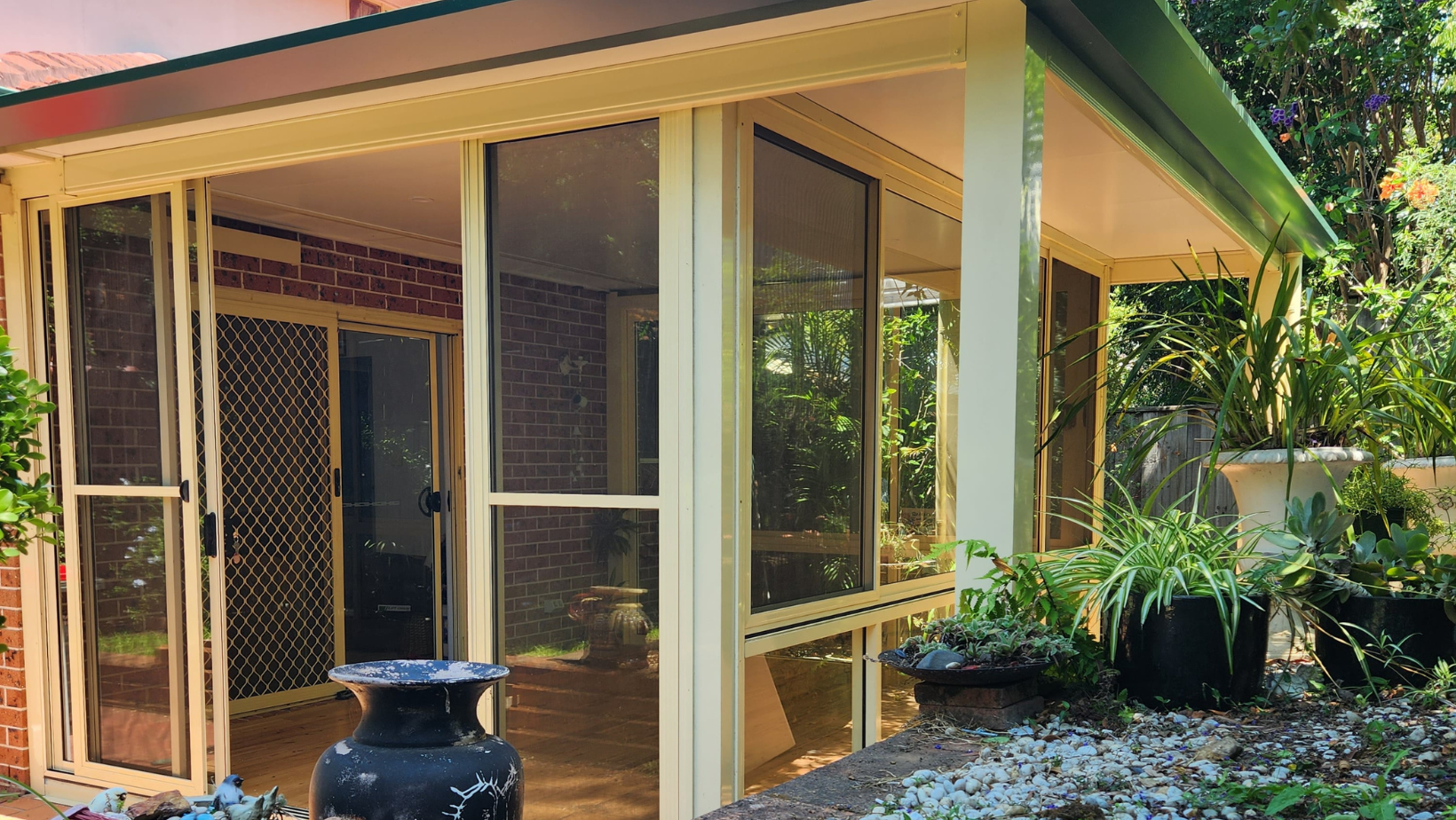

A good sunroom changes how a backyard gets used. Instead of watching the weather and hoping for a calm weekend, you get a space that feels open, protected and genuinely liveable. The best sunroom ideas for backyards are not just about adding glass at the rear of the home. They are about creating a room that suits how your family actually relaxes, entertains and moves through the day.
For some households, that means a bright second living area that opens onto the lawn. For others, it means a quiet morning retreat, a better indoor-outdoor dining space or a practical buffer between the house and the elements. The right design depends on your block, your home style and how much flexibility you want from the space.
What makes backyard sunrooms work well

A sunroom should feel like a natural extension of the home, not an afterthought tacked onto the back. That usually comes down to proportion, materials and how the room connects with the yard. If the roofline fights the existing house, the framing feels too bulky or the access point is awkward, even an expensive build can feel disconnected.
The most successful designs balance light with comfort. Too much glass without proper planning can make the room glare-heavy in summer and less inviting than expected. Insulation, roof choice, orientation and ventilation all matter. In Victoria especially, where conditions can swing quickly, a sunroom needs to be comfortable across more than one season.
Sunroom ideas for backyards with real day-to-day value
1. The family lounge sunroom

If your current living area feels cramped, a backyard sunroom can become the everyday overflow zone. This works well for families who want a relaxed space for kids, guests and casual evenings without pushing everyone into the main lounge.
A family-focused design usually benefits from wide sliding or stacker doors, durable flooring and enough wall space for furniture placement. Floor-to-ceiling glazing sounds appealing, but in practice, a mix of glazing and solid sections often gives you more flexibility for seating, storage and privacy.
2. A light-filled dining extension

Some of the most effective sunroom additions sit directly off the kitchen and act as a dedicated dining zone. This suits households that love entertaining but want more protection than an open alfresco can provide.
Position matters here. If the room catches pleasant natural light at lunch and soft afternoon light into the evening, it quickly becomes one of the most-used parts of the home. A dining sunroom also helps the backyard feel more connected to daily routines rather than something only used for special occasions.
3. A garden-view retreat

Not every sunroom has to be large. A smaller room with clean sightlines into the garden can deliver just as much impact, especially if the goal is to create a calm place to read, work from home occasionally or enjoy a quiet coffee.
This style works best when the landscaping is considered as part of the overall result. Framing a lawn area, planting bed or feature tree gives the room something to look onto, which makes it feel settled and intentional.
4. The indoor-outdoor entertaining room

If your backyard already does a lot of heavy lifting for gatherings, a sunroom can make entertaining far easier. It gives you shelter from wind and rain while still keeping that open, social feel.
In this case, think less like a formal room and more like a flexible hosting space. Large openings, easy flow to decking or paving and practical surfaces all matter. If you enjoy barbecues and family get-togethers, this kind of sunroom can bridge the gap between indoor comfort and outdoor atmosphere.
Design choices that change the result
Roof style matters more than most people expect

When homeowners compare sunroom concepts, they often focus on windows first. In reality, the roof has a major effect on comfort, appearance and how well the structure integrates with the house.
An insulated roof can make a significant difference in temperature control and overall usability. It also gives the room a more substantial, finished feel. A lighter roof style may suit some homes visually, but it depends on orientation and how exposed the space is. There is always a trade-off between openness and thermal performance, so the best choice is the one that supports how you want to use the room throughout the year.
Framing should suit the home, not compete with it

Modern homes often suit clean-lined aluminium framing and broader glazed panels. More traditional homes may benefit from a softer, more balanced look that respects existing roof forms and exterior colours. The goal is not to make the sunroom stand out for its own sake. It is to make it feel like it belongs.
This is where custom design matters. Standard shapes can work, but backyard conditions are rarely standard. Fence lines, setbacks, neighbouring outlooks and the shape of the rear facade all influence what will look right.
Ventilation is not optional

A bright room that traps heat is a room people stop using. Operable windows, well-placed doors and considered airflow paths make a real difference, particularly in warmer months.
Ventilation planning should happen early, not as a late fix. Depending on the site, a fully enclosed room may not be the smartest answer. Some homeowners are better served by a more flexible design that allows the space to open up when conditions are good and close off when they are not.
Matching the sunroom to your backyard layout
Sunroom ideas for backyards with small or awkward spaces
A compact backyard does not rule out a sunroom. In many cases, it simply means the design needs to work harder. Narrow rear setbacks, side access limitations and irregular boundaries can all be managed with the right layout.
For smaller blocks, a lean-to style sunroom often keeps the addition visually lighter and less intrusive. Using the room as a transition zone between the house and the yard can also help avoid that boxed-in feeling. If every square metre counts, it is worth prioritising circulation and furniture planning from the start rather than treating them as finishing details.
Wide backyards can support zoning

If you have more room to work with, a sunroom can become part of a broader backyard plan. One area might be enclosed for year-round use, while the surrounding deck, lawn or paved section stays open for flexible entertaining.
This approach tends to suit larger family homes because it creates multiple ways to use the same backyard. Instead of replacing outdoor space, the sunroom enhances it by giving the whole area more structure and purpose.
Materials and finishes that hold up well

Durability matters just as much as appearance. Backyard structures need to cope with sun exposure, moisture, changing temperatures and regular use. That is why material selection should be practical as well as attractive.
Australian-made materials and trusted building systems generally offer better long-term confidence, particularly when you want the finish to stay sharp and the structure to keep performing over time. Neutral colours remain the safest choice for resale and flexibility, but that does not mean the room has to feel plain. Texture, trim details and flooring can add warmth without dating the build.
If you want to keep future costs under control, it often makes sense to invest in the structure first and keep decorative choices simpler. A well-built room with timeless finishes usually ages better than a trend-heavy design that loses appeal quickly.
How to choose the right direction for your home

The best backyard sunroom is the one designed around your habits, not just inspiration photos. Before settling on a style, think about when the room will be used most, how much privacy you need and whether the priority is entertaining, family living or quiet retreat.
It also helps to be realistic about your site. A room with extensive glazing may look impressive on paper, but if it faces harsh afternoon sun, another configuration could be far more comfortable. Likewise, a very enclosed sunroom may suit winter use but feel less connected to the backyard in spring and summer.
That is why tailored design and clear advice matter. A custom build gives you more control over roof type, layout, finishes and access points, which usually leads to a better result than trying to force a generic design onto a specific home. For homeowners across Greater Melbourne, working with an experienced outdoor builder can make those decisions much easier because the design is shaped around local conditions, council requirements and how the room will actually function.
A well-planned sunroom does more than add square metres at the back of the house. It gives your backyard a stronger purpose, makes the home feel more complete and creates a place you will keep using long after the build is finished.
Recent Blogs

Have a Project in Mind?
Ready to transform your outdoor space? We’ll provide a personalized, no-obligation quote tailored to your needs. Simply fill out the form below, and we’ll be in touch soon!

Get Free Quote
Award winning products


We are dedicated to crafting beautiful, functional outdoor spaces that blend seamlessly with your home