

Pergola Attached To House: What To Know
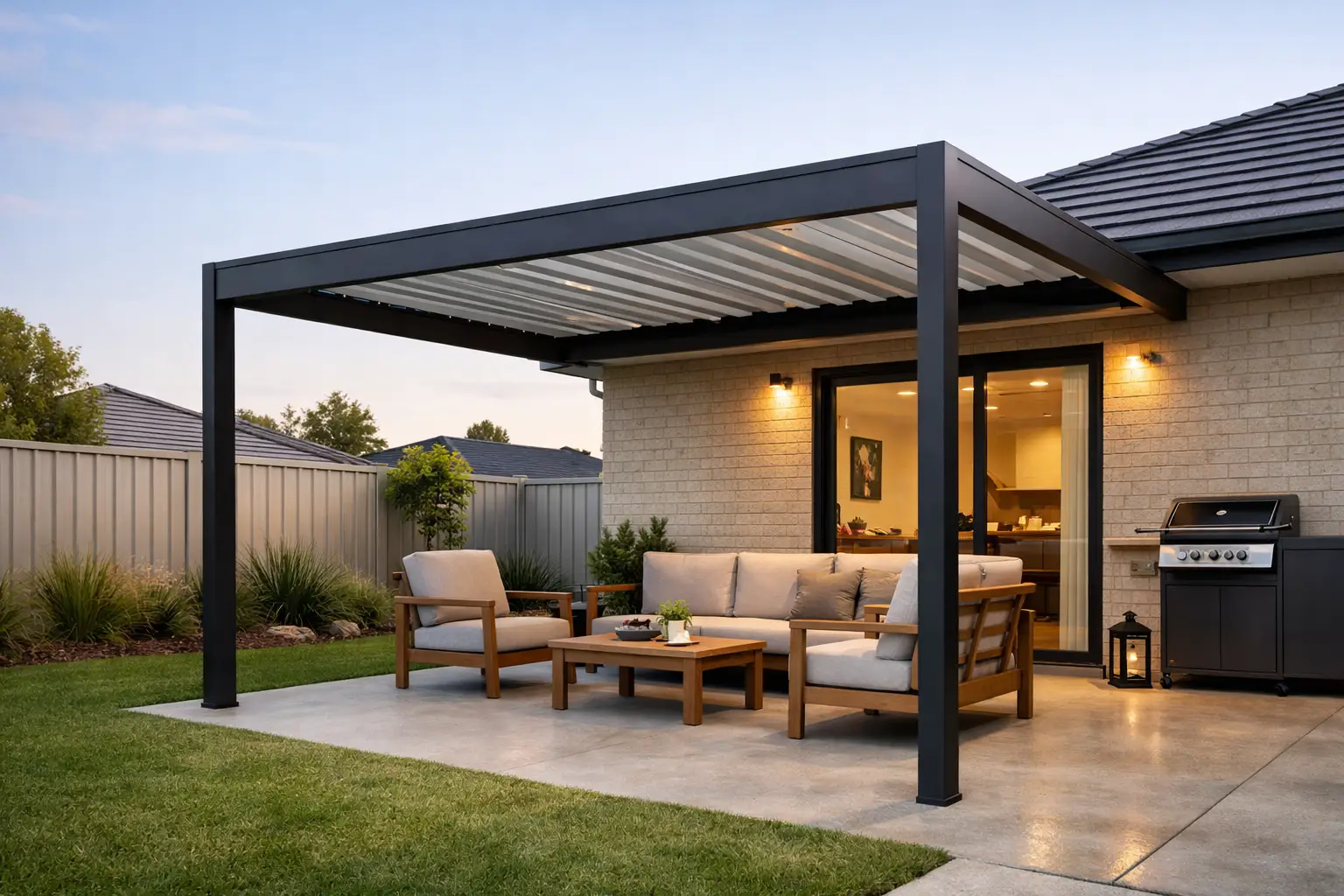

A pergola attached to house walls can completely change how you use your backyard. What was once a hot, exposed patch of concrete or decking becomes a shaded place to eat, relax, entertain or simply step outside without feeling the full force of the weather. For many Victorian homeowners, that makes it one of the smartest ways to extend everyday living without changing the footprint of the home.
The key is getting the design right from the start. An attached pergola is not just a freestanding structure pushed up against the wall. It needs to feel like part of the house, work with the roofline, suit the block, and stand up to local conditions over the long term. When those pieces come together, the result feels intentional, practical and genuinely valuable.
Why a pergola attached to house designs work so well
There is a reason attached pergolas remain a popular choice for family homes. They create a more direct connection between indoor and outdoor areas, which makes the space easier to use every day. If your pergola starts at the back door, kitchen, dining area or alfresco opening, it naturally becomes an extension of the home rather than a separate backyard feature.
That connection matters in real life. It means less harsh sun entering through rear windows, better shelter when moving between inside and outside, and more confidence that the space will actually get used for weeknight dinners, kids' activities and weekend catch-ups. A freestanding pergola can still look fantastic, but an attached design often wins on convenience and integration.
It can also make the backyard feel more settled visually. Because the pergola ties into the existing home, it often reads as part of the original architecture when designed properly. That is especially important for owner-occupiers who want the upgrade to add appeal, not look like an afterthought.
Start with how you want to use the space
Before choosing materials or roofing styles, it helps to be clear on the job your pergola needs to do. Some homeowners want soft filtered shade over a deck. Others want stronger weather protection for outdoor dining, a barbecue area or a place where children can play outside more often. Those are very different design briefs.
If your goal is light shade and visual appeal, an open pergola may be enough. If you want to use the area through more of the year, a roofed structure usually makes more sense. In many cases, homeowners begin by asking for a pergola and realise what they really need is a more protective patio-style structure attached to the house.
That is where experienced design advice makes a difference. The best outcome is not the trendiest option. It is the one that suits your home, orientation and lifestyle.
The biggest design decision is roof coverage
For an attached pergola, roof design shapes everything from comfort to appearance. Open-top pergolas have a lighter look and can suit contemporary homes, but they offer limited protection from rain and harsh summer sun. They are often chosen for visual effect rather than all-weather performance.
Covered pergolas deliver more practical value for many households. They help create usable outdoor space in a way that feels reliable, especially if your entertaining area sits directly off the home. Insulated roofing is particularly appealing if you want better heat control and a more comfortable space underneath, while Colorbond roofing offers a clean, durable finish that suits many Australian homes.
Neither approach is right for everyone. It depends on whether you prioritise openness, shelter, thermal performance or overall look. A good attached pergola balances all four rather than overcommitting to one at the expense of the others.
Matching the pergola to the house matters
A pergola attached to house exteriors should look like it belongs there. That means paying attention to roof pitch, post size, gutter lines, colours and the visual weight of the structure. A bulky design can overpower a smaller home, while an undersized pergola may look flimsy or temporary.
Material choice plays a major role here. Steel structures are a strong fit for homeowners who want clean lines, durability and low ongoing upkeep. Timber can create warmth and character, but it also needs more consideration around finish, long-term exposure and overall compatibility with the house style.
The attachment point is also critical. Fixing the structure to the house needs to be handled properly so the pergola performs structurally and does not compromise the home. This is not an area where guesswork pays off. A well-built attached pergola should feel solid, aligned and purpose-built.
Orientation changes what will work best
The same pergola design can perform very differently depending on which way your outdoor area faces. A west-facing backyard in Melbourne's warmer months can cop intense afternoon heat, so light shade alone may not be enough. In that case, more solid roof coverage or insulated panels can make the area significantly more comfortable.
If your space gets softer morning sun, you may be able to keep the design more open without sacrificing usability. Wind exposure matters too. A pergola that looks perfect on paper can feel less inviting if the site is too exposed or the roof design does not account for weather movement.
This is why site-specific design is worth it. The goal is not just to add a structure. It is to create an outdoor area that feels good to use across different seasons.
Council approvals and building considerations
Homeowners often ask whether an attached pergola needs approval. The answer depends on the design, size, height and site conditions. Because it is fixed to the house, approvals and compliance requirements can be more involved than people expect.
That does not mean the process needs to be stressful, but it does mean it should be handled carefully. Setbacks, drainage, stormwater management and structural engineering all need proper attention. If your property has specific overlays or design constraints, those factors can also shape what is possible.
Working with a builder who understands local requirements helps avoid delays and redesigns later. It also gives you confidence that the final structure is not only attractive, but properly planned and built.
Customisation is where the value really shows
The best attached pergolas are tailored. That does not always mean complicated. Sometimes it is a simple matter of adjusting roof span, choosing a finish that matches existing trims, or making sure the height works neatly with doors and windows.
Other times, customisation is what turns an ordinary cover into a true outdoor living zone. You may want integrated lighting, ceiling fans, privacy screening, or a layout that complements existing decking or paving. If the pergola sits near a pool, garden edge or sliding door, those surrounding elements should influence the final design.
A custom build usually delivers a better result than trying to force a standard solution onto a non-standard home. It is one of the clearest ways to get an outdoor structure that feels considered rather than generic.
Durability should be part of the conversation early
Looks matter, but long-term performance matters just as much. Outdoor structures in Australia need to cope with sun, rain and changing temperatures, and attached pergolas carry extra importance because they connect directly to the home.
That is why material quality, workmanship and installation detail should never be treated as secondary issues. Roofing products, posts, fixings and finishing details all play a role in how the structure holds up over time. The cheapest-looking shortcuts are rarely obvious on day one, but they tend to show themselves later.
For homeowners who want a lasting upgrade, it is worth choosing materials designed for Australian conditions and a builder with clear craftsmanship standards. A strong attached pergola should still look the part years after the build, not just on handover day.
What homeowners often underestimate
Many people focus first on the pergola itself and only later think about what happens underneath it. That is understandable, but the floor surface, furniture layout and circulation space will shape daily use just as much as the roof overhead.
If the pergola covers a cramped or awkward area, it may still feel limited even when beautifully built. If it works smoothly with your doors, outdoor dining setup and backyard flow, it becomes far more useful. Thinking about the full outdoor zone from the beginning usually leads to a better result.
It is also common to underestimate how much an attached pergola affects the feel of adjacent indoor rooms. Added shade can improve comfort inside, soften glare and make rear living areas feel more connected to the garden.
Choosing the right team for the build
An attached pergola is one of those projects where experience shows. Good builders do more than install posts and roofing. They help you make practical design choices, spot issues before they become expensive headaches, and guide the project toward a finish that suits the home properly.
That means clear communication matters. So does a personalised approach. Homeowners are usually not looking for an off-the-shelf structure. They want something that suits their property, their family and the way they live. That is why companies like Sam Outdoor Living focus on tailored outdoor solutions rather than one-size-fits-all builds.
If you are considering a pergola attached to your house, the best starting point is to think beyond shade alone. Consider how you want the area to feel on a summer afternoon, how it will look from inside the home, and how well it will serve your household in a few years' time. The right design does more than cover space - it turns it into somewhere you genuinely want to be.
Frequently Asked Questions
What services does Sam Outdoor Living provide?
We specialize in designing and building custom outdoor structures, including patios, pergolas, carports, decking, sunrooms, louvres and insulated roofing systems. We use high-quality materials from trusted brands like Stratco, Palram, Lysaght, Ekodeck.
Do you offer warranties on your structures?
Yes, all our structures come with a 5-year workmanship warranty, an 8-year paint finish warranty, and a 12-year structural warranty. *Terms and Conditions applied.
Do I need council approval for my outdoor structure?
Some projects may require council approval. Our team can assist with the application process to ensure all necessary permits are obtained.
How do I get a quote for my project?
You can request a free, no-obligation quote by filling out the form on our website or contacting us directly at +61 421 515 768. We’ll schedule an on-site consultation to discuss your ideas and provide a free estimate.
What areas do you service?
We serve customers from all suburbs across Victoria. If you’re unsure whether we service your area, feel free to contact us at +61 421 515 768.
Recent Blogs


Have a Project in Mind?
Ready to transform your outdoor space? We’ll provide a personalized, no-obligation quote tailored to your needs. Simply fill out the form below, and we’ll be in touch soon!

Get Free Quote
Award winning products


We are dedicated to crafting beautiful, functional outdoor spaces that blend seamlessly with your home