

7 Colorbond Patio Designs That Work
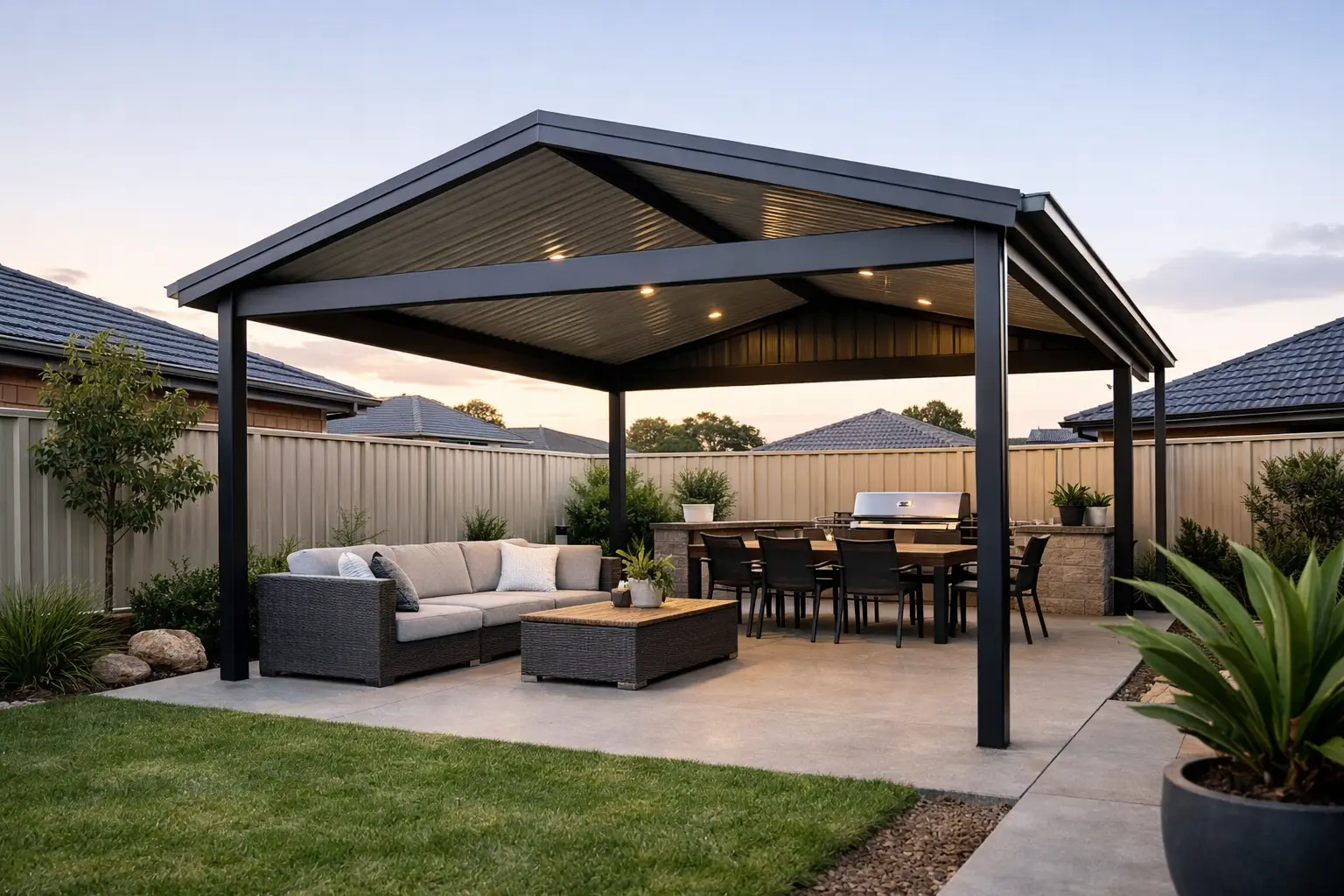

A good patio changes the way you use your home. It turns a patch of backyard into a place for weeknight dinners, summer shade, winter shelter and easier entertaining. That is why colour, roofline and layout matter so much when planning Colorbond patio designs - the right design should feel like a natural extension of the house, not an add-on that looks out of place.
For most homeowners, the real challenge is not whether to build a patio. It is choosing a design that suits the home, handles Victorian weather and still looks right years from now. Colorbond remains a popular choice for exactly that reason. It offers a clean finish, strong performance and enough design flexibility to suit everything from compact suburban yards to larger family entertaining zones.
Why Colorbond patio designs appeal to so many homeowners
A patio has to do more than provide cover. It needs to improve comfort, make outdoor space more usable and add to the overall look of the property. Colorbond does that well because it balances durability with design choice.
It works across a wide range of home styles. On a newer build, it can create a sharp and modern outdoor area with simple lines and coordinated colours. On a more traditional home, it can be designed to sit neatly under the existing roofline or complement masonry, render or timber details without competing with them.
There is also a practical side to its popularity. Colorbond roofing is made for Australian conditions, which matters when your patio is exposed to strong sun, wind and rain through the year. Homeowners usually want something that looks polished but does not demand constant upkeep. That is where this material often stands out against timber-heavy options that may need more regular maintenance over time.
The best Colorbond patio designs start with the house
The strongest patio designs usually take their cues from the existing home. Rather than choosing a style in isolation, it helps to look at roof shape, ceiling height, window placement and how the backyard is actually used.
A patio attached to the rear of the home should feel connected, both visually and practically. If the roofline is awkward or the support posts interrupt doors, views or walkways, even a well-built structure can feel clumsy. Good design solves these problems early.
For example, a low-set home may benefit from a skillion roof patio that keeps the look clean and modern while making the most of available height. A larger family home with more roof presence may suit a gable design that adds openness and helps the outdoor area feel less enclosed. The best result is rarely about picking the most impressive shape. It is about choosing one that fits naturally.
1. Skillion patios for a clean modern look
Skillion patios are one of the most requested options because they are simple, practical and visually tidy. The single-slope roof suits many modern Australian homes and works especially well where a streamlined finish is the priority.
This style is often a smart choice for alfresco dining areas, narrow side patios and smaller backyards where visual bulk needs to be kept under control. It can also help with water run-off and makes it easier to create a neat transition from the existing structure.
The trade-off is that a skillion roof may not create the same sense of height and openness as a gable design. If the entertainment area is large, some homeowners find it feels more compact unless proportions are handled carefully.
2. Gable roof patios for space and light
Gable patios are popular for homeowners who want a more open feel overhead. The pitched roof creates extra height, improves air movement and gives the space a lighter feel, which can make a big difference during warmer months.
This design often suits larger entertaining areas and family backyards where the patio is intended to be a central gathering space. It can also complement homes with existing pitched roof forms, making the addition look more integrated.
A gable patio can feel more architectural, but it is not always the right fit for every block or façade. On some homes, especially where the rear elevation is low and simple, a gable can dominate the space unless it is carefully proportioned.
3. Flat roof patios for a subtle extension
Flat roof patios suit homeowners who want the cover to sit quietly against the house. They are especially useful when the goal is practical weather protection without changing the visual character of the rear elevation too much.
This style works well over outdoor seating areas, walkways and transitional spaces between the house and garden. It is often chosen for contemporary homes, but it can also suit older properties when the detailing is kept neat and restrained.
The key with a flat roof design is getting drainage, height and proportions right. It may look simple, but the success of the finished structure depends on good planning and quality installation.
4. Patio designs with integrated lighting and ceiling fans
One of the biggest missed opportunities in patio design is treating the structure as roofing only. A well-designed patio should support the way you actually live outdoors, especially after dark or during warmer weather.
That is why many of the most successful Colorbond patio designs include allowance for lighting, fans and electrical planning from the start. Downlights can make the area more inviting at night, while a ceiling fan helps with airflow and comfort during summer entertaining.
These details are easy to overlook in early planning, but they strongly affect how often the space gets used. A patio that looks good during the day but feels dim or stuffy at night often ends up underused.
5. Matching Colorbond colours to the home
Colour choice can make or break the final result. A patio should not look like a separate project parked against the back wall. It should tie into the roof, gutters, window frames or exterior palette in a way that feels deliberate.
Many homeowners play it safe with colours that closely match the house, and that is often the right move. It creates visual consistency and keeps the addition feeling integrated. In some cases, a contrasting trim or frame can work well, but only if the home already has enough definition to carry it.
This is one area where practical advice matters. A colour that looks sharp on a sample may feel too heavy across a large roof area. Lighter and darker tones each have their place, but the decision should consider the whole property, not just the patio in isolation.
6. Attached patios versus freestanding layouts
Most backyard patios are attached to the home, and for good reason. They make outdoor access easy, provide better connection to indoor living spaces and usually create the most convenient entertaining setup.
But a freestanding Colorbond patio can work beautifully in the right backyard. It may suit a pool zone, a garden retreat or a separate entertaining area where a bit of distance from the house actually improves the layout.
It depends on how the space is used. If your main aim is to extend everyday living and dining outdoors, attached usually makes more sense. If you want to create a destination within the yard, freestanding can be a strong design move.
7. Custom patio designs for difficult spaces
Not every backyard is straightforward. Some blocks are narrow, some have awkward rooflines, and some outdoor areas need to work around retaining walls, existing decks or vehicle access. That is where custom design becomes more than a nice extra - it becomes essential.
A tailored patio design can solve issues that off-the-shelf layouts simply cannot. It can improve clearance, preserve natural light into the home and make better use of odd-shaped outdoor areas. For many homeowners, this is the difference between a patio that just fits and one that genuinely improves the property.
That custom approach is also what helps avoid common regrets. Posts in the wrong place, poor roof proportions and mismatched colours usually come from treating the patio like a standard product instead of part of the home.
How to choose the right patio design for your home
The right choice comes down to three things - how you want to use the space, what suits the house, and what will hold up well over time. If your priority is big family gatherings, roof height and layout may matter more than minimalism. If your backyard is compact, a cleaner roof form may deliver a better result than a larger, more complex structure.
It is also worth thinking beyond the first impression. The best patios are not just attractive when they are new. They continue to feel practical in January heat, during rainy weekends and through years of regular use.
For homeowners across Greater Melbourne, that usually means choosing a design that balances comfort, durability and visual fit rather than chasing trends. A well-planned Colorbond patio should make outdoor living easier, look right with the home and feel like money well spent every time you step outside.
If you are weighing up ideas, the most useful place to start is not with the fanciest design. It is with the way you want your outdoor space to work on an ordinary Tuesday, because that is where a good patio really earns its place.
Recent Blogs


Have a Project in Mind?
Ready to transform your outdoor space? We’ll provide a personalized, no-obligation quote tailored to your needs. Simply fill out the form below, and we’ll be in touch soon!

Get Free Quote
Award winning products


We are dedicated to crafting beautiful, functional outdoor spaces that blend seamlessly with your home