

Custom Carport Designs That Fit Your Home
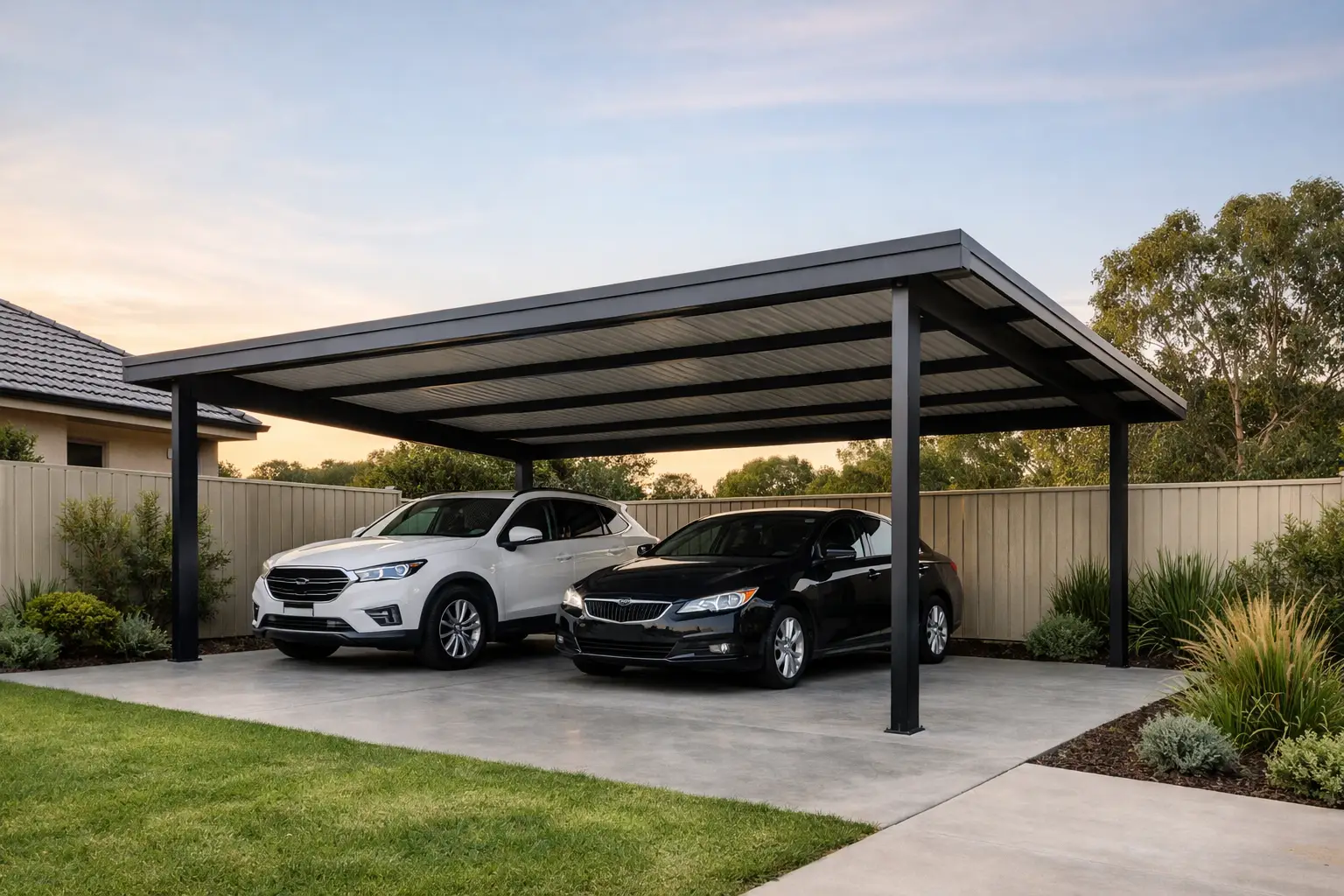

A carport should do more than cover a car and call it a day. The right custom carport designs can make your driveway more practical, improve the look of your frontage, and give you reliable protection from harsh sun, rain and leaf litter without feeling like an afterthought bolted onto the house.
For many homeowners, that balance is the tricky part. You want a structure that works hard every day, but you also want it to suit the home, meet council requirements, and hold up well over time. That is where a custom approach makes a real difference.
Why custom carport designs matter
A standard, off-the-shelf option can be tempting when you just want vehicle cover sorted quickly. But homes are rarely standard. Roof lines vary, block widths vary, access points vary, and so do the ways people actually use the space.
Some households need room for two family cars and clear access to the front door. Others need a higher clearance for a caravan, ute or trailer. In some cases, the goal is to create a carport that also works as a sheltered area for unloading groceries, moving kids in and out of the car, or even doubling as flexible outdoor cover when guests are over.
Custom carport designs respond to those real-life needs. They also let you match the existing home more closely, which matters if you care about street appeal and long-term value. A carport that looks visually connected to the house usually feels more considered and less temporary.
What makes a carport design work well
A good design starts with function, but it should never stop there. The strongest result is one that solves the practical problem while still looking right on the property.
Size and clearance
This is where plenty of homeowners either overbuild or end up too tight. A carport needs enough width for doors to open comfortably and enough height for the vehicles you own now, not just the smallest one in the driveway today. If there is any chance you will want to store a larger vehicle later, it makes sense to account for that early.
At the same time, bigger is not always better. An oversized structure can dominate the front of the home and reduce the sense of balance. The right dimensions depend on your block, setbacks, and how much turning space you need.
Roof style and house compatibility
One of the biggest visual decisions is the roof. Flat, gable and skillion profiles all suit different homes. A modern house often pairs well with a clean, low-profile roofline, while a more traditional home may benefit from a shape that reflects existing architectural features.
This is where custom design pays off. Matching pitch, trim details and proportions can make a new carport feel like it belongs there. If the materials and form clash with the house, even a well-built structure can look out of place.
Material selection
In Victoria, durability matters. Your carport needs to handle weather shifts, UV exposure and day-to-day wear without becoming a maintenance headache. Steel remains a popular choice for good reason. It offers strength, clean lines and long-term performance, especially when paired with quality Australian-made materials.
Colour choice matters too. The finish should work with your roof, gutters, brickwork or cladding rather than competing with them. Small design decisions like posts, fascia and roof sheeting can change the whole look.
Choosing between attached and freestanding options
Both approaches can work well, but the right one depends on your layout and what you want the structure to do.
An attached carport often feels more integrated with the home. It can improve convenience in poor weather and create a neater connection from the driveway to the house. This is often ideal when access and frontage are tight.
A freestanding carport gives more flexibility in placement. It can suit larger blocks, corner sites, or homes where attaching a structure would interfere with windows, eaves or existing features. It can also be a smart choice if you want to create some separation between vehicle storage and the main façade.
Neither is automatically better. The best option is the one that works with the site, the home and the way you move through the space every day.
Design choices that improve everyday use
The best carports are not only measured correctly. They are planned around how people live.
If your driveway is a busy family zone, weather protection at entry points matters. If the area is visible from the street, appearance matters more than many people expect. If you use the side of the home for bins, bikes or storage, the placement of posts becomes important.
Lighting is another detail worth considering early. A well-positioned carport can support better visibility and a safer arrival home at night. Drainage also deserves attention. Water runoff should be directed properly so the structure protects the area instead of creating a new problem around paving or garden beds.
These are the details that separate a generic build from one that genuinely improves daily life.
How custom carport designs affect street appeal
A carport sits at the front of many homes, which means it has a big influence on first impressions. Done well, it can tidy up the façade, frame the driveway and give the property a more complete look.
Done poorly, it can feel bulky, mismatched or visually heavy.
That is why proportion matters so much. The post size, roof depth and overall footprint should suit the scale of the house. Colour coordination matters as well. A carport does not have to disappear, but it should feel connected to the rest of the property.
For homeowners thinking long term, this is more than a cosmetic issue. A carport that adds function and complements the home can support overall property appeal. Buyers notice when an outdoor structure feels well planned rather than improvised.
Planning for approvals and site conditions
This part is rarely the most exciting, but it is essential. Depending on the design, size and location, your carport may need council approval or need to meet specific building requirements.
Setbacks, boundary considerations, stormwater management and existing site levels can all influence what is possible. A sloping block may need a different structural response than a flat one. Access width, neighbouring structures and the position of services can also shape the design.
That is another reason custom planning matters. It helps avoid the frustration of choosing a design first and finding out later that it does not suit the site or compliance requirements. A proper assessment early on tends to save time and stress.
Getting the balance right between budget and design
Most homeowners are working to a budget, and that is completely reasonable. Custom does not mean extravagant. It means choosing the features that matter most and building around practical priorities.
If budget is a key consideration, it often helps to focus first on correct sizing, durable materials and a design that suits the home. Decorative extras can be weighed up later, but the structure itself needs to be right from the start.
It is also worth comparing value, not just headline cost. A cheaper option that looks out of place, lacks adequate clearance or uses lower-grade materials can become the more frustrating choice over time. A better-designed carport tends to perform better, look better and feel more worthwhile every day you use it.
Working with a builder who understands the whole picture
A carport may seem straightforward on paper, but getting a strong result takes more than installing posts and a roof. Good outcomes come from understanding how the structure connects to the home, how it will handle weather, and how to tailor the build to the site rather than forcing a standard solution.
That is why homeowners often benefit from working with a team that handles design, customisation and installation together. It creates a clearer process and reduces the risk of gaps between what was promised, what was approved and what actually gets built.
For homeowners across Greater Melbourne, that joined-up approach matters. Conditions vary from one property to the next, and the right design is rarely one-size-fits-all.
A well-built carport should feel simple once it is finished. You pull in, step out under cover, and get on with your day. But that ease usually comes from smart planning, the right materials and a design that was shaped around your home from the beginning. If you are considering a new build, take the time to choose a solution that does more than fill the space - choose one that genuinely fits it.
Recent Blogs

Have a Project in Mind?
Ready to transform your outdoor space? We’ll provide a personalized, no-obligation quote tailored to your needs. Simply fill out the form below, and we’ll be in touch soon!

Get Free Quote
Award winning products


We are dedicated to crafting beautiful, functional outdoor spaces that blend seamlessly with your home