

Insulated Patio Installation Cost Explained
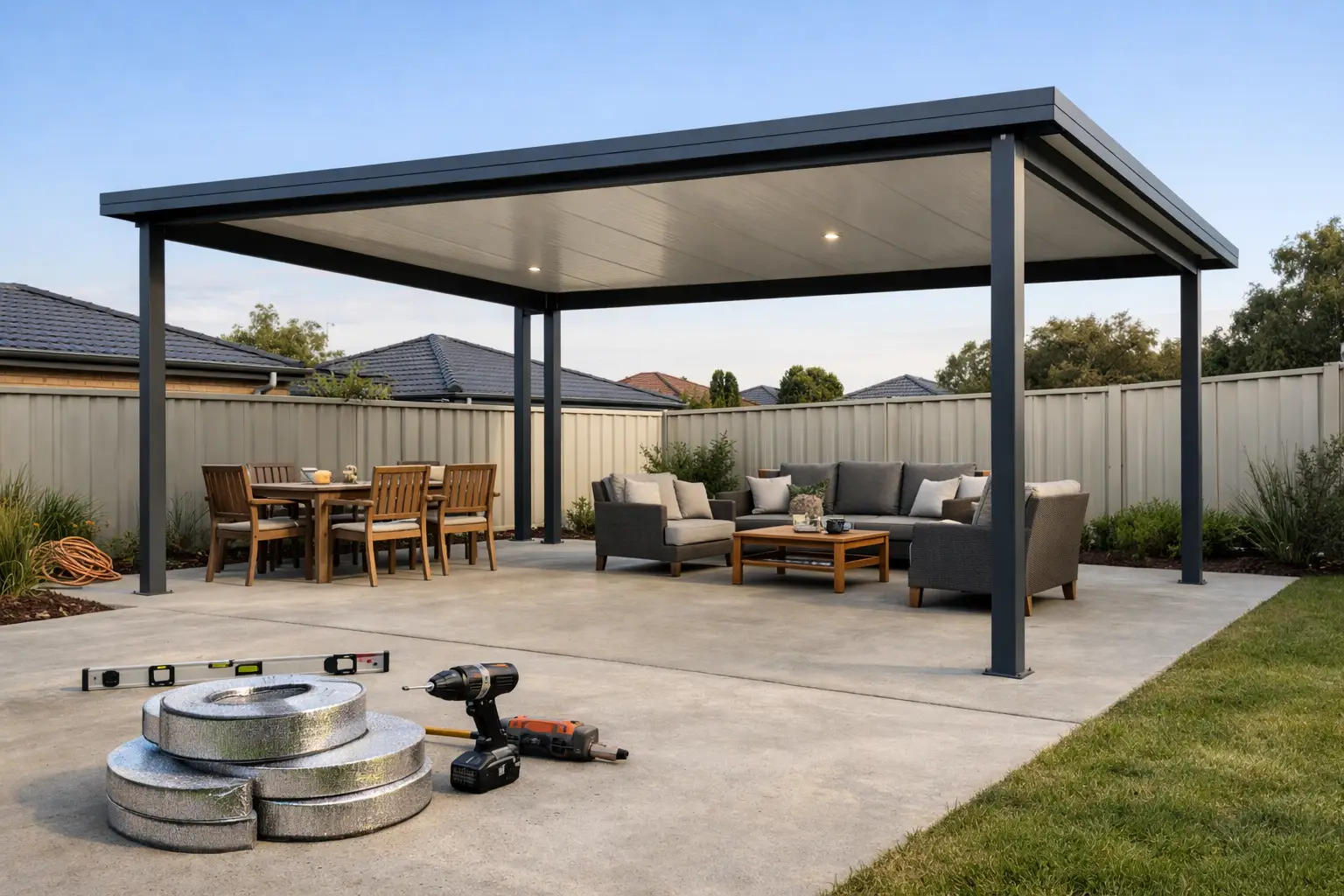

A cheap patio quote can look appealing right up until summer heat builds overhead, rain starts pooling where it should not, or the finish simply does not suit the house. That is why insulated patio installation cost deserves a closer look. The real question is not just what you will spend, but what you are getting for that investment in comfort, durability and day-to-day use.
For many homeowners, an insulated patio sits in a sweet spot between lifestyle upgrade and practical home improvement. It gives you a more usable outdoor area through more of the year, helps create better shade, and can make the space feel more like a proper extension of the home rather than a basic cover tacked onto the back. Still, costs can vary widely from one project to the next, and there are good reasons for that.
What shapes insulated patio installation cost?
No two patios are exactly alike, especially when they are designed to match an existing home. Size is one of the most obvious factors, but it is far from the only one. A larger roof area generally means more materials, more labour and more structural support, yet layout complexity can push pricing around just as much.
A straightforward patio attached to a single-storey home with clear site access is usually simpler to build than one wrapping around corners, connecting to tricky rooflines or working around tight boundaries. If your block slopes, if access is restricted, or if the structure needs extra engineering due to wind exposure, those details can affect the quote.
Material choice also plays a major role. Insulated roofing panels are different from standard single-skin roofing because they are built to improve temperature control and comfort underneath. The quality of the panel system, the thickness of the insulation, the finish, and the supporting frame all influence the overall project cost. Homeowners comparing quotes should make sure they are comparing like for like, because one patio may look similar on paper while using quite different materials.
Why insulated patios often cost more than basic patio covers
It is reasonable to expect an insulated patio to cost more than a simpler roofed structure. That extra spend usually reflects better performance, not just a different label. Insulated panels are designed to reduce heat transfer, which can make a noticeable difference when you are using the space on hot days. They also tend to deliver a cleaner, more finished ceiling appearance underneath.
That matters if your patio is being built as a genuine entertaining zone rather than a simple shade cover. Families often want a space where they can eat outside, relax with guests or let the kids play without feeling exposed to harsh sun or sudden weather changes. In that setting, comfort becomes part of the value.
There is also the visual side. A well-designed insulated patio can integrate far more naturally with the home, especially when the frame colour, roof profile and overall proportions are chosen carefully. A cheaper option may save money upfront, but if it looks temporary or feels uncomfortable for much of the year, it may not deliver the result you actually wanted.
The design choices that affect price most
Some upgrades shift the price more than others. Roof span and projection matter because larger unsupported areas may require heavier structural members or additional posts. Attachment method matters too. Fixing into the existing home, working under eaves or integrating with a fascia can involve more labour than a freestanding design.
Lighting, ceiling fans and drainage are also common variables. Homeowners often focus on the roof itself and forget the finishing items that make the space genuinely functional. If you want downlights for evening use, ceiling fans for airflow or neatly managed stormwater, those inclusions should be considered early rather than treated as afterthoughts.
Customisation can also push the quote upward, but often for good reason. A patio designed to complement the home’s lines, colours and proportions usually requires more thought and more tailored fabrication than an off-the-shelf layout. For many households, that is worth it. The result feels intentional, not generic.
Comparing insulated patio installation cost between quotes
When reviewing proposals, homeowners should resist the urge to compare only the bottom line. The cheapest quote is not always the best value, and the highest quote is not automatically the best build either. What matters is clarity.
A solid quote should explain what is included in the structure, what materials are being used, how the roof system is specified and whether site conditions have been properly considered. If one quote allows for premium insulated panels and another uses a more basic product, the difference matters. If one includes permits, design support and installation details while another leaves key items vague, that matters too.
It is also worth checking whether the builder is approaching the patio as a custom addition to your home or as a standard package. A custom approach can cost more in some cases, but it often leads to a better fit, cleaner finish and fewer compromises. That is especially important when the patio is a visible part of the property and not tucked away in a side yard.
How to keep costs under control without cutting the wrong corners
There are sensible ways to manage your budget without reducing the project to the point where it no longer delivers. One of the best is to be clear about your priorities from the start. If your main goal is a comfortable entertaining area, focus spending on the structure, roofing system and layout before adding decorative extras.
Keeping the design simple can help. Straight rooflines, practical dimensions and easy-access installation zones are often more cost-effective than highly complex shapes. That does not mean plain or unattractive. It simply means working with a design that suits the home and avoids unnecessary construction challenges.
Timing and planning can also help minimise surprises. If approvals, site checks and design decisions are handled properly at the outset, there is less chance of changes during construction. Last-minute alterations tend to cost more because they affect materials, labour scheduling and sometimes engineering.
Most importantly, do not save money by choosing a patio that is undersized or under-specced for the way you actually live. A slightly cheaper build can become expensive in another sense if it leaves you with a space that is too hot, too dark or too awkward to use.
Why site conditions matter more than many people expect
Homeowners are often surprised by how much the existing property influences the build. Ground levels, drainage paths, access for installers and the relationship between the patio and the house all affect how straightforward the project will be.
For example, a patio being added to a newer home with clear rear access may be simpler to install than one on a tighter suburban block where materials need to be moved through narrow side paths. A site with existing decking, paving or landscaping may also require more careful planning so the new structure works with what is already there.
In Greater Melbourne, weather exposure can vary from one suburb to the next, and local conditions may influence design and compliance requirements. This is another reason personalised quoting matters. A proper site-based assessment leads to a more reliable figure than a generic estimate pulled from a standard pricing table.
Is an insulated patio worth the extra investment?
For many households, yes, provided the structure is designed well and built for the way the space will be used. If you want an area that feels cooler, looks more finished and supports regular outdoor living, insulation can make a real difference. The value is often felt less in a dramatic before-and-after number and more in how often the area gets used once it is complete.
That is the real test. A patio should not just sit there looking decent from the backyard. It should help your home function better. It should give you somewhere comfortable to sit with family, host a weekend barbecue or simply enjoy being outside without feeling exposed.
A quality build also tends to age better. When the structure is tailored to the home and installed with care, it has a better chance of looking right for years rather than appearing like a short-term add-on. For homeowners who care about presentation as much as practicality, that matters.
Choosing a builder for more than price
If you are assessing insulated patio installation cost, the builder you choose is a major part of the equation. A well-prepared quote, clear communication and a genuine understanding of custom outdoor construction are signs you are dealing with a team that values the end result, not just the sale.
Look for a builder who listens to how you want to use the space, explains the trade-offs clearly and helps shape a design that suits both the house and your budget. Good workmanship is not just about what is visible on handover day. It is also about structural integrity, finish quality and how well the project has been thought through before work begins.
A patio is one of those additions that can quietly change the way you live at home. When the design is right and the build is done properly, the cost stops feeling like a number on a quote and starts feeling like money well spent.
Recent Blogs

Have a Project in Mind?
Ready to transform your outdoor space? We’ll provide a personalized, no-obligation quote tailored to your needs. Simply fill out the form below, and we’ll be in touch soon!

Get Free Quote
Award winning products


We are dedicated to crafting beautiful, functional outdoor spaces that blend seamlessly with your home