

A Practical Guide To Enclosed Sunrooms
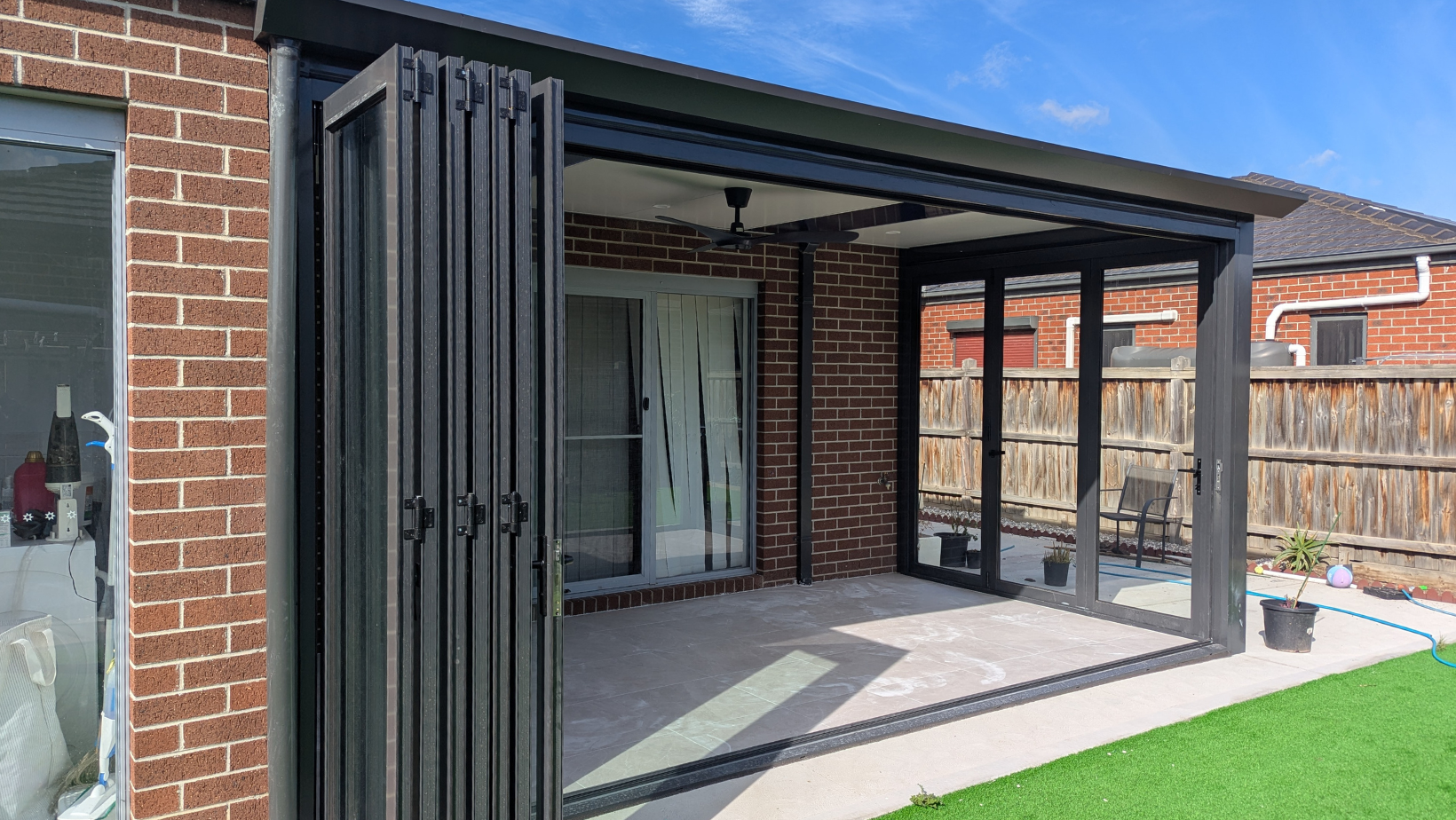

That patch of outdoor space at the back of the house often has plenty of potential, but not much day-to-day use. It is too hot in summer, too cold in winter, and too exposed when the weather turns. A well-planned guide to enclosed sunrooms starts with one simple idea - turn that underused area into a comfortable, light-filled room you can actually enjoy year-round.
For many homeowners, an enclosed sunroom sits in the sweet spot between indoor comfort and outdoor connection. It gives you shelter, natural light and extra living space without losing that open feel people love in an alfresco area. But getting the result right depends on more than just adding walls and windows. The best sunrooms are designed around how you live, what your home already looks like, and how the space needs to perform across all seasons.
What an enclosed sunroom really adds to a home

An enclosed sunroom is not just a covered area with glass around it. When designed properly, it becomes a functional extension of the home. That could mean a casual second living area, a bright dining space, a kids' play zone, a quiet place for a morning coffee, or a spot to entertain without watching the forecast every weekend.
What makes enclosed sunrooms so appealing is their flexibility. Unlike an open pergola or standard patio, they offer protection from wind, rain and insects while still letting in light and preserving views of the garden. For families, that can mean more usable room without the feeling of being boxed in. For owner-occupiers thinking long term, it can also improve the way the whole home flows.
There is a lifestyle benefit here, but also a practical one. A sunroom can make an awkward backyard edge, side return or old alfresco area feel finished. It helps connect the inside of the house to the outdoors in a way that feels deliberate rather than temporary.
A guide to enclosed sunrooms starts with how you will use it

Before choosing frame colours, glazing styles or roofing materials, it helps to decide what the room needs to do. This is where many projects either come together beautifully or end up feeling like an afterthought.
If you want a relaxed family room, comfort and insulation matter more than maximum glass at every angle. If the goal is entertaining, opening sections, ventilation and furniture layout become more important. If you are creating a quiet retreat, privacy and sun control may be higher priorities than a fully exposed view.
This is also where orientation matters. A sunroom that gets strong afternoon sun can feel brilliant in winter and harsh in peak summer unless shading, glazing and airflow are planned properly. A south-facing space may stay more temperate but needs careful design so it does not feel dim or cold. There is no single best setup for every home. It depends on the site, the surrounding structure and how often you will use the room.
Choosing the right structure and materials

The overall feel of a sunroom comes from its materials just as much as its layout. For Australian homes, durability matters. So does choosing materials that suit local conditions and blend naturally with the existing house.
Insulated roofing is often a strong choice because it helps regulate temperature better than a basic single-skin roof. That can make a noticeable difference in comfort, especially during Victoria's changing weather. It also tends to create a more finished, premium look from the inside.
For framing, powder-coated aluminium is popular because it is low maintenance, clean in appearance and well suited to contemporary and traditional homes alike. Glazing choices also deserve real attention. Large glass panels can create a bright, airy room, but more glass is not always better. Depending on orientation, privacy needs and thermal performance, a balanced combination of fixed panels, opening windows and doors may work better than a full glass enclosure.
Flooring is another detail that shapes how the space feels. If the sunroom connects directly to the main house, matching or complementary flooring can make the transition feel much smoother. If it steps down into a more outdoor-style zone, a different finish may be the better fit. Good design is not about forcing everything to match perfectly. It is about making sure nothing feels out of place.
Comfort matters more than looks alone

A sunroom can look excellent in photos and still disappoint in real life if it is too hot, too cold or poorly ventilated. Comfort should be part of the design from the start, not something added later.
Insulation, glazing performance, roof selection and ventilation all work together. Cross-breezes can make a major difference in warmer months, especially when combined with operable windows or sliding doors. In cooler months, enclosed construction and insulated elements help the room stay pleasant and usable.
There is also the question of light control. Plenty of natural light is one of the main reasons homeowners choose sunrooms, but glare can quickly become a problem if the space is overexposed. Roof positioning, window placement and shading choices all help moderate that. The most successful sunrooms feel bright without feeling harsh.
This is where custom design earns its value. Homes vary, block orientations vary, and so do family routines. A one-size-fits-all enclosure rarely performs as well as a sunroom designed around the property.
Approvals, compliance and why planning early helps

In any guide to enclosed sunrooms, approvals deserve a proper mention. Homeowners often focus on design first, then discover later that council or building requirements affect the project more than expected.
Depending on the size, location and construction type, permits or approvals may be required. Setbacks, boundaries, roofline integration and structural requirements can all influence the final design. This is not the most exciting part of the process, but it is one of the most important.
Working with an experienced builder helps here because a good team will consider compliance early rather than treating it as a hurdle after the design is already locked in. That saves time, avoids redesigns and gives you more confidence that the finished structure will be both attractive and properly built.
For homeowners across Greater Melbourne, local conditions and council considerations can also vary from one area to the next. That makes site-specific advice especially useful.
Design choices that make the space feel natural

The best enclosed sunrooms look like they belong to the house, not like they were tacked on years later. That comes down to proportion, roof form, materials and the way the enclosure connects to the existing home.
A sunroom should respect the style of the property while still improving it. On a modern home, that might mean clean lines, wide openings and a restrained palette. On a more traditional home, it could mean a softer roof profile, classic framing choices and finishes that echo the original character.
Furniture planning also matters more than people expect. A room can be structurally sound and visually attractive, yet still feel awkward if there is no logical place for a dining setting, lounge suite or walking path. Thinking about the room in use helps shape better decisions on doors, openings and wall lengths.
If space is limited, simplicity usually wins. A compact sunroom with smart proportions and good natural light will feel better than a larger room compromised by poor access or clumsy framing.
Comparing enclosed sunrooms with other outdoor options

If you are weighing up your options, it helps to be honest about the trade-offs. An open pergola or patio can be excellent for shade and airflow, and it typically preserves a more outdoor feel. But it will not offer the same weather protection or year-round comfort as an enclosed sunroom.
A fully enclosed extension can feel more like a standard indoor room, but it may require a different level of construction and can lose some of that visual connection to the garden. A sunroom sits somewhere between those two outcomes. It is more sheltered and versatile than an open structure, while still keeping a lighter, more relaxed atmosphere than a traditional room addition.
That middle ground is exactly why it suits so many households. It works particularly well for homeowners who want to expand how they use their home without making the outdoor area feel closed off.
How to make the most of your investment

If you want the best long-term result, focus on value rather than shortcuts. That means choosing materials that hold up well, investing in thermal comfort, and making sure the design genuinely suits the house. Trying to save too much by oversimplifying the structure can lead to a space that looks acceptable but does not get used often.
One of the smartest ways to minimise unnecessary costs is to get the scope right early. Clear decisions on room purpose, layout and finish level reduce changes later. Another is to work with a builder who offers tailored advice instead of pushing a standard package into a home that needs something more considered.
That custom approach is where quality workmanship really shows. A sunroom should not just fill space. It should improve how the home lives every day.
For homeowners considering this type of project, the right path is usually the one that balances comfort, appearance and practicality from the beginning. If the design responds to your home, your block and your lifestyle, an enclosed sunroom can become the part of the house you end up using most.
Recent Blogs

Have a Project in Mind?
Ready to transform your outdoor space? We’ll provide a personalized, no-obligation quote tailored to your needs. Simply fill out the form below, and we’ll be in touch soon!

Get Free Quote
Award winning products


We are dedicated to crafting beautiful, functional outdoor spaces that blend seamlessly with your home