

How To Choose Pergola Materials
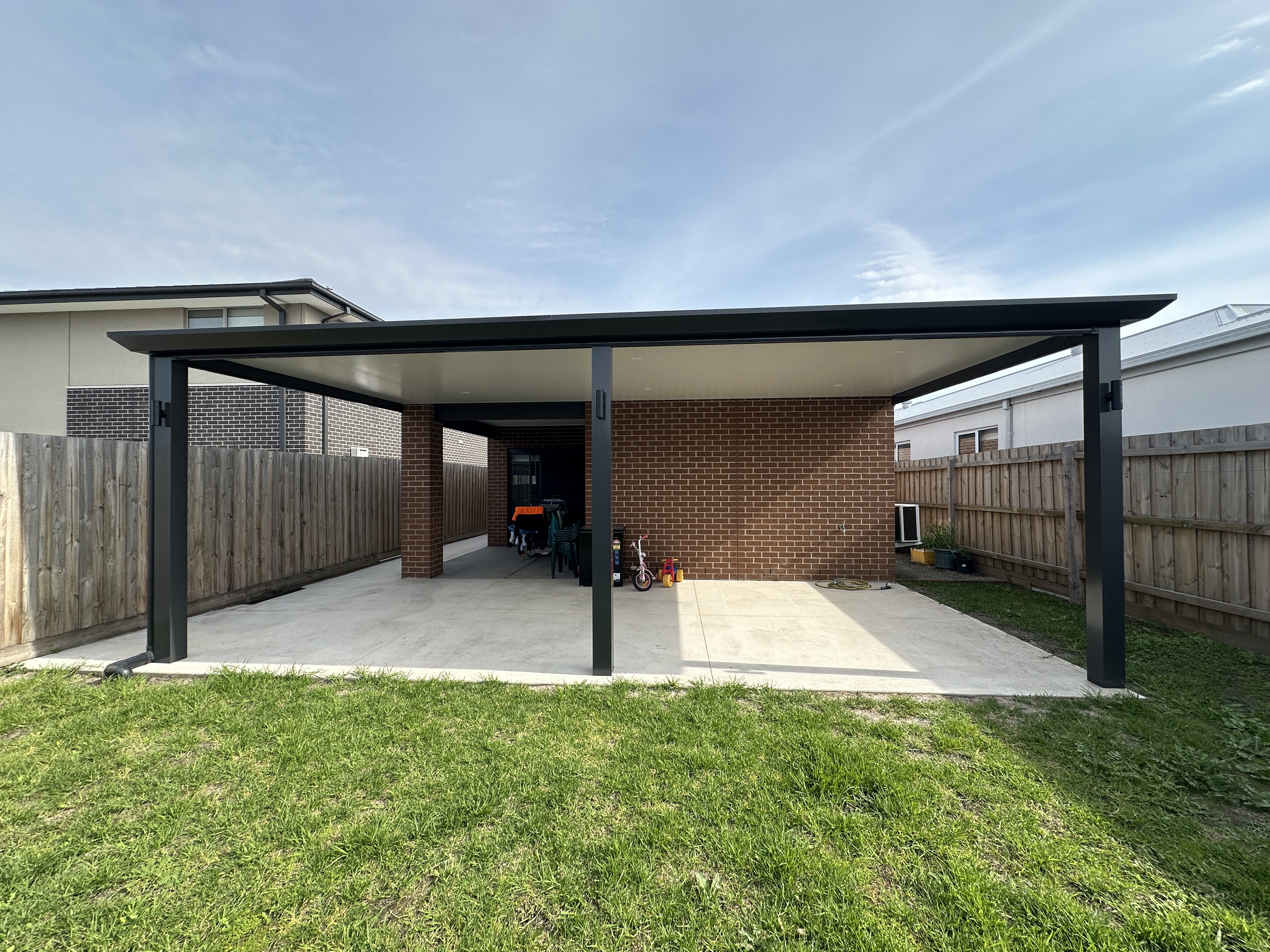

A pergola can look perfect on paper and still disappoint once it is built. The usual reason is not the design - it is the material. If you are working out how to choose pergola materials, the right answer comes from balancing appearance, maintenance, weather performance and how you actually want to use the space.
For one home, warm natural timber is the right fit because it softens the backyard and ties in with existing decking. For another, a low-maintenance aluminium or steel structure makes more sense because it handles the elements well and suits a cleaner, more modern façade. The best material is not the one that is most popular. It is the one that suits your home, your lifestyle and the conditions it will face year after year.
How to choose pergola materials for your home

Start with the role your pergola needs to play. Some homeowners want a light architectural feature that adds shape and partial shade. Others need stronger weather protection over an alfresco area, poolside zone or outdoor dining space that gets regular use. The more practical demands you place on the structure, the more carefully the material choice matters.
It also helps to look at your house first, not just the pergola on its own. A pergola should feel like part of the property rather than an add-on. Roof lines, exterior colours, window frames, fencing and landscaping all influence which material will look settled and intentional.
In Victoria, weather conditions are another real factor. Sun exposure, wind, rain and temperature changes can all affect how different materials perform over time. A pergola that looks great in the showroom still needs to cope with local conditions in the real world.
Timber pergolas

Timber remains a favourite because it brings warmth and character that manufactured materials often cannot fully replicate. It works especially well with traditional homes, garden-focused backyards and outdoor areas where you want a more natural, relaxed feel.
The appeal of timber is visual, but also practical in the right setting. It can be customised in different profiles and finishes, and it pairs beautifully with decking, screening and planted areas. If the goal is to create an outdoor space that feels welcoming and connected to the landscape, timber has a lot going for it.
The trade-off is upkeep. Timber generally asks more of you over time than metal options. It may need staining, sealing or repainting depending on the finish and the level of exposure. If you love the look and do not mind ongoing care, that can be worthwhile. If you want a structure you can largely leave alone, timber may not be the best fit.
Steel pergolas

Steel is a strong option for homeowners who want durability and a more substantial structure. It suits many modern Australian homes and can handle larger spans well, which is useful if you want a more open entertaining area without too many posts interrupting the layout.
A well-designed steel pergola can feel crisp, architectural and long-lasting. It also tends to complement homes with metal roofing, clean lines and a contemporary exterior palette. For practical households focused on performance, steel often ticks a lot of boxes.
What matters here is the quality of the product and finish. In outdoor construction, protective coatings and the right fabrication standards make a big difference to long-term results. Steel is not a one-size-fits-all category, so choosing a builder who understands suitable Australian materials is just as important as choosing steel itself.
Aluminium pergolas

Aluminium is often chosen by homeowners who want a sleek finish with minimal maintenance. It is lightweight, neat in appearance and well suited to contemporary outdoor areas where simplicity matters.
One of aluminium’s biggest advantages is convenience. It does not demand the same level of ongoing upkeep as timber, and it can be a smart choice for busy families who want an attractive outdoor structure without adding another maintenance job to the list.
That said, aluminium does not always deliver the same visual weight or natural feel as timber, and in some designs it can feel a little lighter in character than steel. Whether that matters depends on the home style and the effect you want to create.
Match the material to the way you live

A pergola is not just a structure. It changes how you use your outdoor area. That is why the right material should support the lifestyle outcome, not just the look.
If your pergola will sit over a dining area used most weekends, you may want a material that works well with roofing additions or integrated shade solutions. If it is mainly a garden feature or transition space between indoors and outdoors, appearance may lead the decision more than heavy-duty performance. If it is beside a pool or exposed to full sun all afternoon, low-maintenance durability may become the priority.
Families often benefit from choosing the material that makes daily use easy. A beautiful pergola only adds value if it remains enjoyable and practical without constant attention. For some households, that points straight to a metal option. For others, the charm of timber is worth the extra care because it delivers the atmosphere they want.
Think about maintenance early

This is where many decisions become clearer. Homeowners are often drawn first to looks, then later realise the upkeep does not suit their schedule. It is better to be honest at the start.
If you are happy to maintain finishes to preserve a natural aesthetic, timber can be a very rewarding choice. If you prefer a material that stays looking sharp with less effort, steel or aluminium may be the more sensible path.
Maintenance is not only about time. It is also about consistency. Outdoor structures face a lot in Australian conditions, so materials that are easier to care for often stay looking better simply because they are more likely to get the attention they need.
Style matters, but so does integration

When considering how to choose pergola materials, think beyond the pergola itself and picture the full outdoor setting. The posts, beams and roof elements should work with nearby surfaces such as decking, paving, fencing and exterior walls.
A heritage or classic home may suit the texture and softness of timber. A newer build with darker trims, cleaner lines or Colorbond elements may lean more naturally towards steel or aluminium. There is no rule that one material belongs to one type of house, but good design usually feels cohesive rather than forced.
This is where custom design makes a real difference. Material choice should support proportion, scale and finish, not just the base structure. The right builder will help you see how the pergola fits the whole property, not only how the sample looks in isolation.
Compare long-term value, not just initial appeal

Some materials win people over quickly because of appearance. Others earn their place because they deliver easier ownership over the long run. The better choice often depends on what you value most.
Timber can offer standout warmth and timeless character. Steel can provide strength and a more substantial build. Aluminium can make life easier with a low-maintenance finish. None of these benefits exist on their own. Each one comes with trade-offs in feel, upkeep and the kind of design outcome you can expect.
If you are comparing options, it helps to ask which material will still suit your home and lifestyle five or ten years from now. A pergola is a long-term upgrade, so choosing for durability and compatibility usually leads to better satisfaction than choosing on first impression alone.
The best choice is usually a tailored one

There is no single winner in the question of how to choose pergola materials. The right material depends on your home style, your tolerance for maintenance, the level of weather exposure and the way you want to enjoy the area.
That is why off-the-shelf thinking rarely gives the best result. A custom approach lets you weigh appearance against practicality and create a pergola that feels considered from every angle. For homeowners across Greater Melbourne, that often means choosing a material not because it is trendy, but because it works beautifully with the home it is being built for.
If you are still deciding, the smartest next step is to look at your outdoor space as a whole and choose the material that will keep serving it well long after the build is complete. A good pergola should feel right on day one, but an excellent one still feels right years later.
Recent Blogs

Have a Project in Mind?
Ready to transform your outdoor space? We’ll provide a personalized, no-obligation quote tailored to your needs. Simply fill out the form below, and we’ll be in touch soon!

Get Free Quote
Award winning products


We are dedicated to crafting beautiful, functional outdoor spaces that blend seamlessly with your home