

Insulated Patio Benefits For Victorian Homes
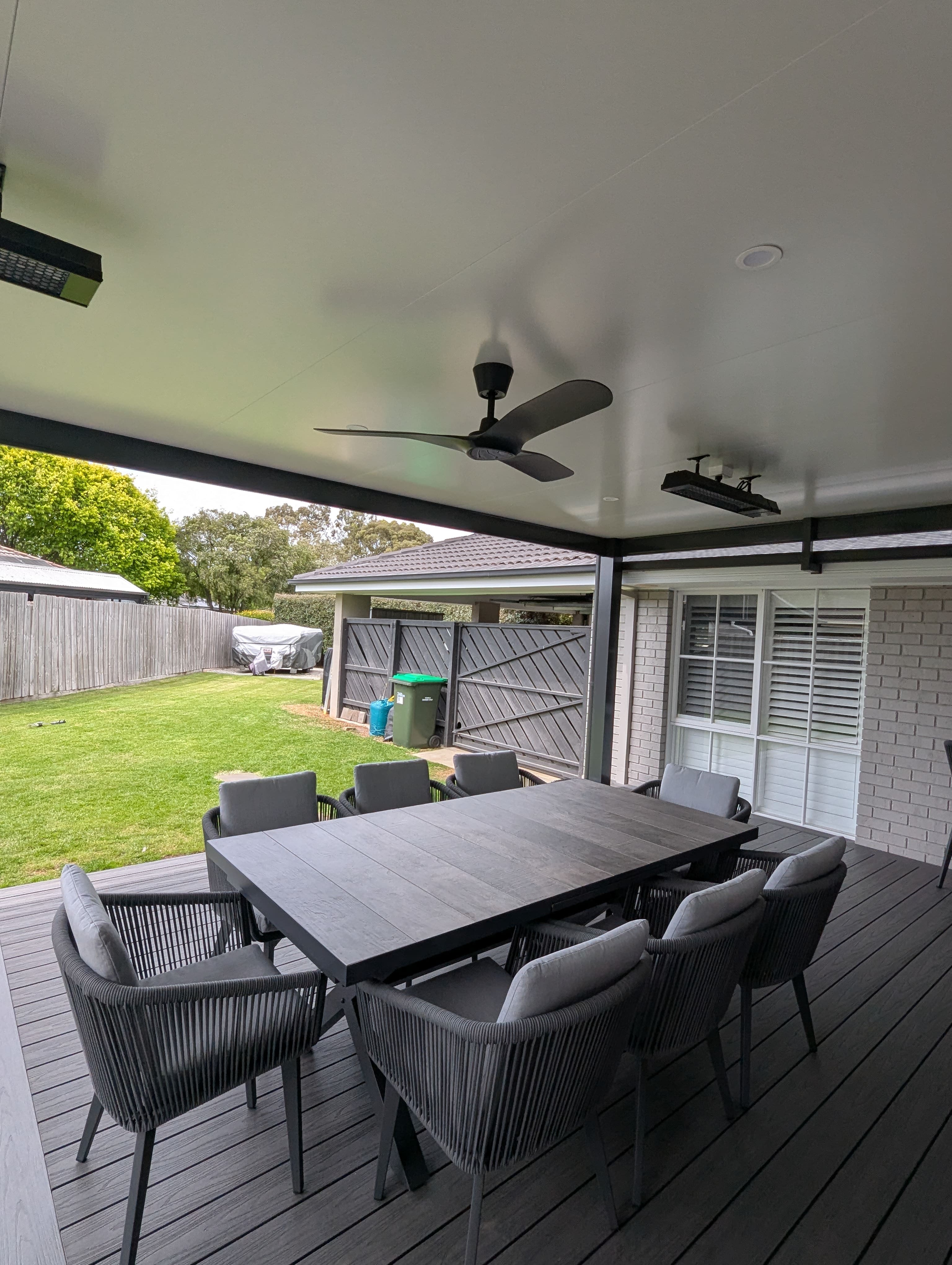

A patio that is too hot in January and too exposed in July rarely gets used the way homeowners hoped. That is where insulated patio benefits become obvious. Instead of creating a covered area that only works on mild days, an insulated patio gives you a more comfortable, more reliable outdoor space that feels worth using across more of the year.
For many Victorian households, that matters more than ever. Outdoor areas are no longer just for the occasional barbecue. They are an extension of the home - a place to entertain, eat with family, supervise the kids, or simply sit outside without copping the full force of the weather. If you are investing in a new patio, comfort, durability and long-term value should all be part of the decision.
Why insulated patio benefits stand out
The main difference comes down to the roof system. A standard single-skin roof can provide shade and some rain cover, but it still transfers a lot of heat and cold. An insulated patio roof is built with a core material between outer layers, helping to reduce temperature transfer and create a more stable environment underneath.
In practical terms, that means the space feels cooler on hot days and less harsh during colder weather. It also helps reduce the drumming noise of rain compared with basic metal roofing, which can make a surprising difference if you want to talk, relax or enjoy a meal outside while the weather turns.
For homeowners who want a patio that feels like a proper living zone rather than just a roof over concrete, insulation changes the experience.
Better comfort through the seasons
Victoria does not deliver one predictable climate. A single week can bring strong sun, cool winds and heavy rain, sometimes all in quick succession. That is why year-round comfort is one of the most practical insulated patio benefits.
In summer, the insulated roof helps limit heat build-up beneath the structure. You are not eliminating heat entirely, especially on extreme days, but you are creating a noticeably more usable area. The difference is often felt straight away when you step from open sun into a covered insulated space.
In cooler months, insulation helps take the edge off the cold from above. If the patio is attached to the house and designed well, it can feel more sheltered and inviting during autumn and winter, especially when paired with lighting, screens or outdoor heating. It turns an area that might otherwise sit empty into part of your everyday routine.
That said, insulation is not a magic fix for every climate issue. Orientation, roof height, airflow and surrounding exposure all matter too. A patio facing harsh western sun may still need thoughtful design features to perform at its best. The real advantage comes when the structure is tailored to your block and how you plan to use it.
Stronger protection for entertaining and daily life
A good patio should do more than look neat from the backyard. It should make life easier. One of the reasons insulated patios are so popular is that they create dependable protection from sun and rain without making the space feel temporary.
If you like entertaining, this matters. Guests are more comfortable, outdoor furniture stays better protected, and there is less need to move everything inside when the weather shifts. For families, it can mean a shaded spot for kids to play, a more practical alfresco dining area, or a covered transition between the house and backyard.
Even everyday jobs become easier. Hanging out with the dog, bringing in groceries through a protected side area, or sitting outside with a coffee on a drizzly morning all become more realistic when the space is properly covered.
A cleaner, more finished look
Not every homeowner starts with appearance, but it always matters by the end of the project. An insulated patio usually delivers a more premium and integrated finish than a basic roof sheet structure. The ceiling-like underside gives it a neater appearance, which helps the patio feel more connected to the house rather than added on as an afterthought.
This can be especially important if your outdoor area is visible from indoor living spaces. When you are looking out from the kitchen, dining room or family room, the patio becomes part of the home’s overall presentation. A cleaner finish can lift the look of the entire rear façade.
Customisation also plays a big role. Colours, roofing profiles, posts, gutters and layout all affect how well the structure blends with your home. The best results come from treating the patio as part of a broader outdoor design, not a standalone product.
Long-term value over a cheaper short-term option
It is fair to say insulated patios cost more than simpler alternatives. For some households, budget will be the first filter, and that is understandable. But the right question is not only what the patio costs now. It is what you get from it over the long term.
A patio that is more comfortable, more durable and more attractive is likely to be used more often. That makes the investment easier to justify. You are not just buying cover from the weather. You are adding functional living space to your property.
There can also be a value perception benefit when it comes to your home. Buyers tend to notice outdoor spaces that feel finished, practical and well built. While no structure guarantees a specific resale result, a quality insulated patio can strengthen the appeal of a home that already values liveability and presentation.
Insulated patio benefits for noise and shelter
One of the less talked-about insulated patio benefits is the improvement in acoustic comfort. Anyone who has sat under a standard metal roof during heavy rain knows how loud it can get. That noise can make conversation difficult and the whole space feel less relaxing.
Insulated panels help soften that effect. You still hear the rain, of course, but it is generally less sharp and intrusive. If your patio sits outside the kitchen, dining area or open-plan living zone, this can improve the feel of both indoor and outdoor spaces.
Shelter is another advantage that goes beyond simple overhead cover. With the right design, an insulated patio can work beautifully alongside screens, fans, lighting or enclosed sections to create a more complete outdoor room. That flexibility is a big part of why many homeowners choose insulation from the start rather than wishing they had upgraded later.
Energy efficiency and home connection
If the patio is attached to the home, insulation can also support better thermal performance in adjoining areas. By reducing direct sun exposure over doors, windows and nearby walls, the structure may help ease heat gain in some parts of the house.
This will depend on orientation, materials and the existing design of the home, so it should not be treated as a standalone energy solution. Still, when a patio is positioned strategically, it can contribute to a more comfortable transition between indoor and outdoor living while supporting the home’s overall function.
This is one reason tailored design matters so much. A well-planned patio does not just fill an empty patch in the backyard. It responds to how the house sits on the block, where the sun hits, how water drains, and how your family actually moves through the space.
Why build quality matters as much as insulation
Not all patios deliver the same result, even if the materials sound similar on paper. The design, span, structural support, finish quality and installation standard all shape how the patio performs over time.
That is why workmanship matters. A well-built insulated patio should feel solid, look consistent with the home and handle local conditions with confidence. Poor detailing, rushed installation or generic design choices can undermine the very benefits people are paying for.
For homeowners across Victoria, it makes sense to work with a builder who understands local requirements, uses quality Australian materials and takes the time to tailor the structure properly. At Sam Outdoor Living, that custom-build mindset is central to creating patios that are not only attractive on day one, but genuinely practical for the years ahead.
Is an insulated patio right for every home?
Not always. If you need the most basic cover at the lowest possible price, a simpler patio may suit your goals. If your space is rarely used, or the area is already heavily shaded and protected, the added investment in insulation may not feel essential.
But for many homeowners, especially those wanting to create a proper outdoor entertaining area or extend day-to-day living space, the upgrade is worth serious consideration. The more often you plan to use the patio, the more the comfort difference tends to matter.
It also depends on the design ambition. If you want a patio that looks polished, feels comfortable and adds to the overall quality of your home, insulation often makes much more sense than treating it as an optional extra.
The best outdoor upgrades are the ones you keep using long after the build is finished. If your goal is to create a space that feels comfortable, considered and ready for real life, an insulated patio is often one of the smartest ways to get there.
Frequently Asked Questions
What services does Sam Outdoor Living provide?
We specialize in designing and building custom outdoor structures, including patios, pergolas, carports, decking, sunrooms, louvres and insulated roofing systems. We use high-quality materials from trusted brands like Stratco, Palram, Lysaght, Ekodeck.
Do you offer warranties on your structures?
Yes, all our structures come with a 5-year workmanship warranty, an 8-year paint finish warranty, and a 12-year structural warranty. *Terms and Conditions applied.
Do I need council approval for my outdoor structure?
Some projects may require council approval. Our team can assist with the application process to ensure all necessary permits are obtained.
How do I get a quote for my project?
You can request a free, no-obligation quote by filling out the form on our website or contacting us directly at +61 421 515 768. We’ll schedule an on-site consultation to discuss your ideas and provide a free estimate.
What areas do you service?
We serve customers from all suburbs across Victoria. If you’re unsure whether we service your area, feel free to contact us at +61 421 515 768.
Recent Blogs


Have a Project in Mind?
Ready to transform your outdoor space? We’ll provide a personalized, no-obligation quote tailored to your needs. Simply fill out the form below, and we’ll be in touch soon!

Get Free Quote
Award winning products


We are dedicated to crafting beautiful, functional outdoor spaces that blend seamlessly with your home