

Louvre Roof Vs Insulated Patio
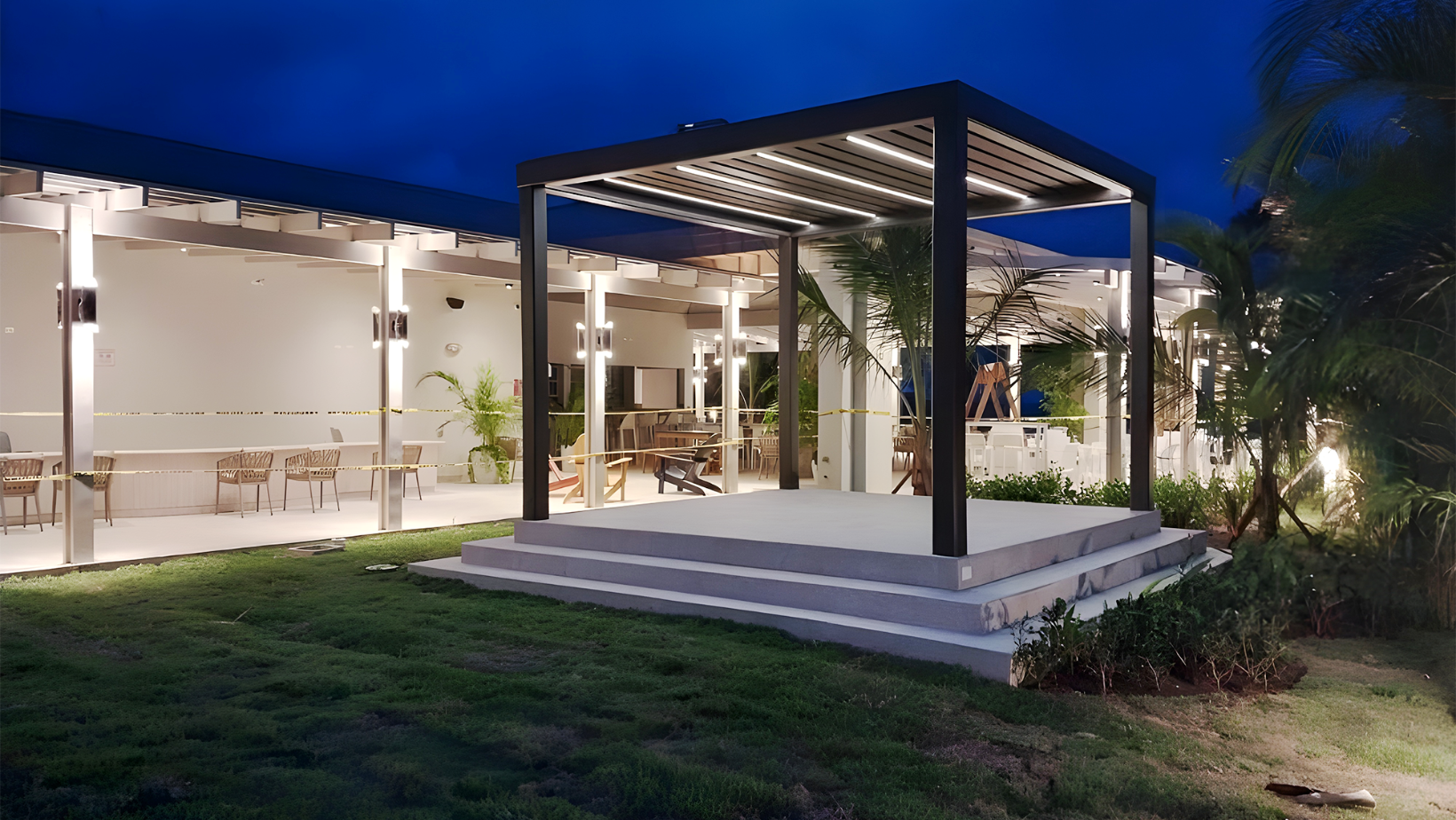

When homeowners compare louvre roof vs insulated patio, they are usually trying to solve the same problem from two different angles. One option gives you flexible control over light and airflow. The other focuses on year-round shelter, insulation and a more enclosed feel. The right choice depends on how you use your outdoor area, how exposed your backyard is, and what kind of comfort you expect in summer, winter and everything in between.
A patio cover is not just a roof over a slab. It changes how often you use the space, how comfortable it feels in changing weather, and how well the new structure integrates with your home. That is why this decision deserves more than a quick feature comparison.
Louvre roof vs insulated patio: the core difference

A louvre roof system uses adjustable blades that can open and close. When open, they let in sunlight and breezes. When closed, they provide overhead cover from sun and rain. That flexibility is the biggest reason people are drawn to louvre roofs, especially for entertaining spaces where conditions change throughout the day.

An insulated patio, by contrast, has a fixed roof made from insulated panels. Those panels are designed to reduce heat transfer, soften noise from rain and create a more protected outdoor zone. It is a practical solution for homeowners who want dependable cover without having to think about adjusting the roof based on the weather.
So the real question is not which product is better overall. It is which one suits the way you live.
If comfort is the priority, insulated patios often lead

For families who want an outdoor area they can rely on most of the year, insulated patios are often the stronger choice. The insulation helps reduce the harshness of direct summer heat, which matters in Australian conditions where exposed outdoor spaces can become uncomfortable fast.
That extra thermal performance also makes the space feel more settled. If you are placing an outdoor dining setting, lounge area or barbecue zone under the roof, a fixed insulated structure tends to create a more consistent environment. It feels less exposed and more like a genuine extension of the home.
There is also the noise factor. Rain on an insulated roof is typically much quieter than rain on a simpler metal covering. For some homeowners, that makes a noticeable difference to comfort, especially if the patio sits directly off the kitchen, living room or alfresco doors.
This is where many owner-occupiers lean toward insulated patios. If your goal is everyday usability, reliable shade and a structure that feels substantial, it is hard to overlook the value of a well-designed insulated roof.
If flexibility matters most, louvre roofs have a clear advantage

A louvre roof earns its place when control is the main priority. On a cool morning, you can open the blades and enjoy warmth and natural light. On a hot afternoon, you can close them to create shade. If airflow is important in your backyard, that adjustability can make the space feel more responsive to the season.
This is especially appealing for entertaining. A louvre roof gives you a way to adapt the setting without moving furniture or changing plans. That can be a major benefit for households that host often and want the outdoor area to feel open rather than permanently covered.
There is also a strong architectural appeal to louvre systems. They can look sleek, modern and intentional, particularly on contemporary homes where clean lines matter. If aesthetics are high on your list, a louvre roof can deliver a premium look that feels tailored rather than standard.
The trade-off is that flexibility does not always equal the same level of all-day insulation. While a closed louvre roof provides cover, it does not usually create the same buffered environment as a fixed insulated patio roof.
Weather protection is where the details matter

In a straight comparison of louvre roof vs insulated patio, weather performance depends on what kind of exposure your home deals with. If your outdoor area gets strong afternoon sun, heavy rain or shifting winds, an insulated patio often gives more dependable protection across the board.
A fixed insulated roof does not rely on adjustment. It is simply there, doing its job all the time. That reliability suits households who want certainty, especially when they are using the space for family meals, kids' play areas or general day-to-day living.
A louvre roof can still provide excellent cover, but its performance depends more on the system design, blade position and surrounding layout. In some settings, that is perfectly suitable. In others, especially highly exposed sites, a fully insulated solution may feel more secure and practical.
This is why site assessment matters. The same product can perform very differently depending on orientation, neighbouring structures and the amount of natural protection already present in the yard.
Light and openness: a genuine point of difference

Some homeowners worry that a fixed patio roof will make the back of the house feel darker. That concern is valid, particularly if the structure connects directly to internal living areas. In those cases, a louvre roof can be attractive because it allows you to bring light back into the space when you want it.
That sense of openness is one of the biggest lifestyle benefits of adjustable roofing. Your patio can feel airy and sunlit at one time of day, then sheltered and shaded later on. For people who do not want to commit to full overhead cover all the time, that flexibility can be a deciding factor.
An insulated patio handles this differently. Rather than prioritising openness, it focuses on creating a more stable environment. With the right design, roofline and placement, it can still feel bright and inviting. But the experience is different. It is less about adjustment and more about comfort you can count on.
Maintenance and long-term practicality

Most homeowners are not looking for a structure that becomes a chore. They want something that looks good, performs well and fits their life without constant attention.
Insulated patios appeal here because they are straightforward. With fewer moving parts and a fixed design, they tend to suit homeowners who value simplicity and dependable performance. That does not mean design has to be basic. A custom insulated patio can still be shaped to complement the home and elevate the outdoor area.

Louvre roofs involve more mechanical functionality, which is part of their appeal. The flip side is that they are a more active system. For some homeowners, that is no issue at all. For others, especially those who prefer a lower-fuss solution, a fixed insulated roof feels like the better long-term fit.
Again, neither option is automatically right or wrong. It comes back to whether you want control and movement, or consistency and shelter.
Which suits your home style?

A modern home with crisp lines and a minimalist backyard often pairs beautifully with a louvre roof. The adjustable blades can enhance the architecture and give the space a polished, premium finish.
An insulated patio is incredibly versatile and suits a broad range of homes, from newer suburban builds to more established properties. Because it can be customised in profile, finish and layout, it often integrates naturally with the existing roofline and feels like a considered extension rather than an add-on.
For many homes across Greater Melbourne, that integration matters just as much as the roofing material itself. The best result is not just about choosing a product. It is about making sure the structure looks right, functions well and adds genuine value to the way the home is used.
How to choose between a louvre roof and insulated patio

If you love natural light, want adjustable airflow and see the outdoor space as an entertaining zone that changes with the weather, a louvre roof may suit you better. If you want stronger all-season comfort, more reliable shelter and a space that feels closer to an outdoor room, an insulated patio is often the smarter fit.
It also helps to think about how often the area will be used by children, older family members or guests. If comfort and protection need to be predictable, fixed insulation has a lot going for it. If your priority is creating a more dynamic and open atmosphere, louvres stand out.
At Sam Outdoor Living, this is where custom design makes all the difference. The best outdoor structure is the one that responds to your block, your home and the way your household actually lives.
A good decision here is not about chasing trends. It is about building an outdoor space you will genuinely use - on quiet mornings, busy weekends and everything in between. If you start with that in mind, the right roof usually becomes much clearer.
Frequently Asked Questions
Do you use subcontractors?
No — 4 in-house teams, plus our own licensed plumber and electrician.
Do I need council approval for my outdoor structure?
Yes, most do — and we handle the whole permit process for you.
How long does installation take?
Most builds take 1–4 days on site once the permit is approved and materials are delivered. Larger sunrooms and decks can take longer; your quote includes the expected timeframe.
What does a patio cost?
It depends on size, roof type (Colorbond, insulated or louvre), height and add-ons such as lighting or fans. We measure on site for free and give you one fixed price upfront, with no hidden extras.
Do you offer warranties on your structures?
Yes, all our structures come with a 3-year workmanship warranty, a 10-year paint finish warranty, and a 25-year structural warranty. *Terms and Conditions applied.
Recent Blogs


Have a Project in Mind?
We reply within 1 business day.
Ready to transform your outdoor space? We’ll provide a personalised, no-obligation quote tailored to your needs. Simply fill out the form below, and we’ll be in touch soon!
Get Free Quote
Trusted Australian brands


We are dedicated to crafting beautiful, functional outdoor spaces that blend seamlessly with your home