

How Open Should Your Outdoor Area Feel? Plan Views, Privacy And Boundaries
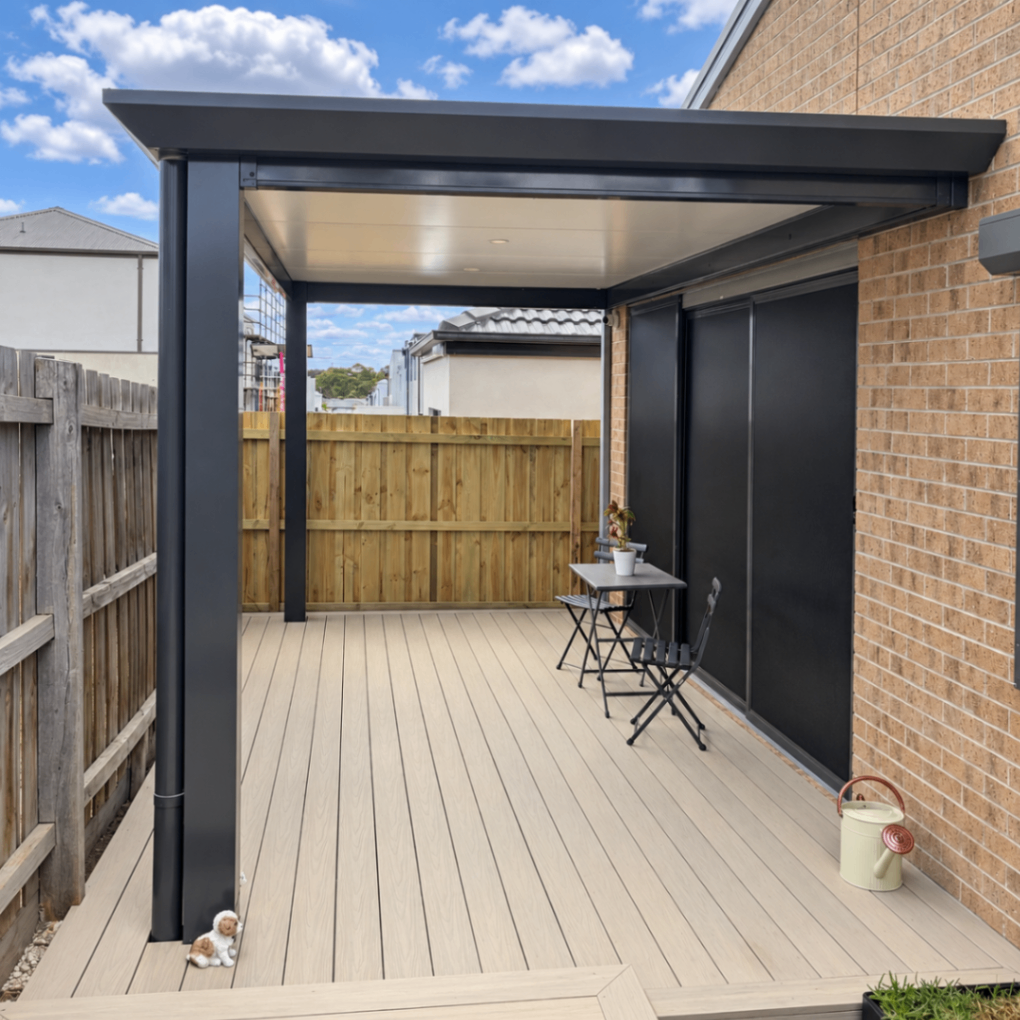
An outdoor area can feel exposed even when it has a roof. It can also feel closed in when the floor is generous and the garden is nearby. The difference often comes from what surrounds the space and what you can see while using it.
Before deciding how many sides to screen or leave open, compare the views from the house, the seating area and the garden. The aim is to make a deliberate choice about the experience you want, rather than adding boundaries one at a time.

Describe the openness you actually want
“Open” can mean several things: seeing the garden, feeling connected to the sky, keeping a broad entrance or avoiding solid surfaces around the seating. Write down which meaning matters to you.
A household may want a clear garden outlook while preferring some separation from a side boundary. Another may value a completely open edge but want the seating set further from passing activity. Those preferences lead to different layouts even if the floor area is the same.
Start with the view or feeling you want to preserve. That gives every later addition a purpose to be measured against.

Check the view while seated
Stand at the proposed location, then sit in an ordinary chair. Look towards the garden, house and neighbouring surroundings from both positions. A boundary that feels unobtrusive while standing may dominate the outlook from a low seat.
Repeat the exercise from the seats you expect people to use most. A dining chair and a deep lounge do not create the same viewpoint.
Take a photograph at seated eye level for your own reference. Use it to explain the relationship, without assuming a screen or other feature can be placed anywhere simply because it improves the photograph.
Change the seating before adding a boundary
Sometimes exposure can be reduced by turning the seating or moving the main activity away from an edge. Test those changes before making the structure more enclosed.
For example, seats arranged along a side boundary may direct attention towards the opposite property. Turning the arrangement towards the garden can create a different experience without adding a new surface.
This will not resolve every privacy concern. It helps establish whether the issue belongs to the seating arrangement, the location of the outdoor area or the surrounding boundaries.
Compare a defined edge with a fully enclosed feeling
A change of floor, a framing line or the position of furniture can visually define a zone without closing every side. Consider whether that degree of definition is enough for the intended use.
If you want a more enclosed setting, explain the reason: a quieter sitting area, separation from storage or a different outlook. Discuss the actual solution and its effect on the whole space with the project team.
Do not treat decorative screening, blinds and a fully enclosed room as equivalent options. Their suitability and the work involved must be assessed for the particular design.
Look back from inside the house
The outdoor area also becomes part of the view through your windows. Draw the proposed boundaries on a wide photograph or compare simple sketches, making clear that these are visual studies rather than construction plans.
Ask what remains visible beyond the new area. Does the garden still feel connected? Does a proposed boundary become the main feature from the dining room? Is that the result you want?
A decision that improves one seat outside may change the experience of an entire room inside, so compare both before settling it.
Write a boundary brief
List the view to retain, the exposure you want to reduce and the routes that must stay open. Add photographs from the key seated and indoor positions.
This brief is more precise than asking for “more privacy” or “an open patio”. It gives Sam Outdoor Living a clear starting point for discussing a space that feels appropriately defined while retaining the connections you value.
Plan your outdoor space
Discuss your outdoor layout with Sam Outdoor Living. Request a Free Measure & Quote at https://samoutdoorliving.com.au/.
Frequently Asked Questions
Does an outdoor area need screening on every side for privacy?
Not necessarily. First compare seating positions, sightlines and the specific exposure you want to address.
Does an outdoor area need screening on every side for privacy?
Not necessarily. First compare seating positions, sightlines and the specific exposure you want to address.
Why assess the view while seated?
The outlook and apparent height of surrounding features change with your viewing position.
Why assess the view while seated?
The outlook and apparent height of surrounding features change with your viewing position.
Can I treat screening as the same thing as enclosure?
No. Explain the intended result and have the proposed solution assessed for your project.
Can I treat screening as the same thing as enclosure?
No. Explain the intended result and have the proposed solution assessed for your project.
Recent Blogs



Have a Project in Mind?
We reply within 1 business day.
Ready to transform your outdoor space? We’ll provide a personalised, no-obligation quote tailored to your needs. Simply fill out the form below, and we’ll be in touch soon!
Get Free Quote
Trusted Australian brands


We are dedicated to crafting beautiful, functional outdoor spaces that blend seamlessly with your home