

Insulated Roof Panels Review For Homeowners
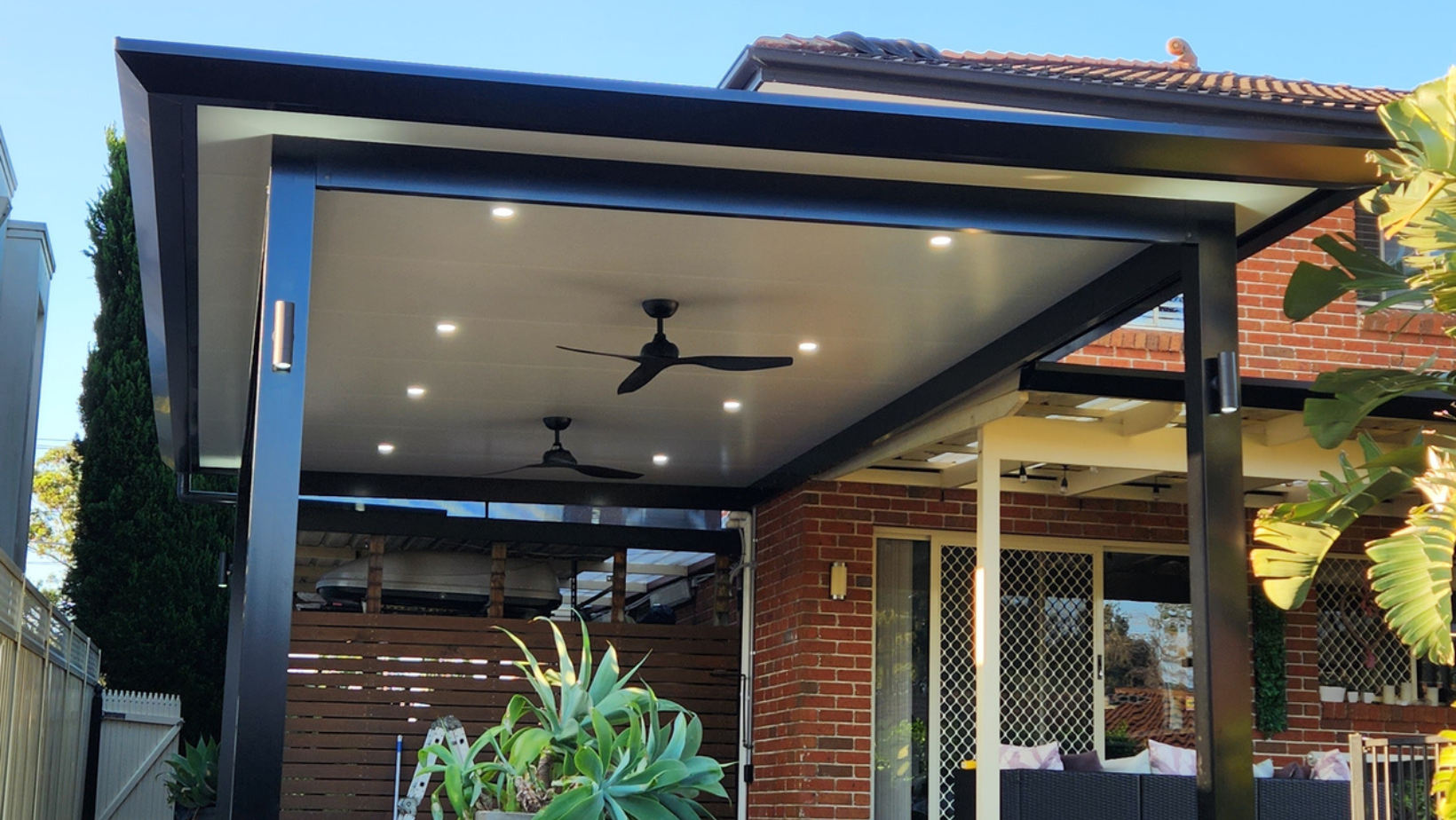

A patio roof can look great on day one and still disappoint every summer after that. If the space turns hot by midday, drums loudly in the rain, or makes the back of the house feel darker than it should, the roof choice was never really right. That is why an insulated roof panels review matters for homeowners planning a patio, pergola, verandah or carport they will actually use year-round.
For many outdoor builds, insulated roof panels sit in a very practical sweet spot. They offer better temperature control than a standard single-skin metal roof, a cleaner finished look underneath, and a more substantial feel overall. But they are not automatically the right answer for every home. The best result depends on how you use the space, how much light you want, and how closely the new structure needs to match the house.
What this insulated roof panels review looks at

Rather than treating insulated panels as a one-size-fits-all upgrade, it helps to assess them the way a homeowner experiences them - in heat, in rain, on bright afternoons, and across years of use. For most families, the real test is simple: does the roof make the outdoor area more comfortable and more usable without creating new compromises somewhere else?
Insulated roof panels are typically made with two outer metal layers and an insulated core in between. In a residential outdoor setting, that construction changes more than just appearance. It affects heat transfer, sound, span capability, and the finish you see from below. Compared with a basic metal patio roof, they feel more complete because the ceiling side is already built in.
Where insulated roof panels perform well

The strongest advantage is comfort. On a warm Victorian afternoon, a standard metal roof can still leave the area underneath feeling harsh and radiant. Insulated panels help reduce that effect by slowing heat transfer through the roof. They do not turn an outdoor area into an air-conditioned room, but they can make a covered zone noticeably more pleasant for dining, entertaining, or simply sitting outside longer.
Noise reduction is another clear win. Rain on a single metal roof can be loud enough to interrupt conversation. With insulated panels, the sound is generally softer and less sharp. For households that want a patio connected to a kitchen, family room or alfresco area, that difference can be appreciated quickly.
The finish is also a major reason people choose them. A lined underside gives the structure a neater, more architectural appearance than exposed rafters and sheeting. If you want the patio to feel like a proper extension of the home rather than an add-on, insulated roof panels usually help achieve that.
There is also a practical benefit in how they support year-round use. Good outdoor living design is not just about shade in January. It is about creating a space that works through changing weather, from strong sun to drizzle and cooler evenings. Insulated roofing supports that broader lifestyle outcome better than many lighter-duty alternatives.
The trade-offs homeowners should know

A balanced insulated roof panels review should be honest about the compromises too. The most common one is natural light. Because insulated panels are solid, they can make the area beneath feel darker than a roof design that includes polycarbonate or more open elements. That is not always a problem. In fact, for west-facing backyards or exposed patios, extra shade may be exactly what you want. But if the covered structure sits near internal living areas, light management becomes important.
This is where design matters more than the product alone. A fully insulated roof may suit one home perfectly, while another benefits from insulated panels combined with skylight sections or layout adjustments that keep the interior bright. The best solution often comes from custom planning rather than choosing the heaviest roof by default.
The other consideration is visual weight. Insulated roofs usually have a more substantial look than a simple pergola or flat metal cover. On larger homes that can be a positive, giving the build presence and polish. On smaller façades or tighter side areas, the design needs careful proportioning so the structure complements the house instead of dominating it.
Insulated panels vs standard metal roofing

For homeowners comparing options, the question is rarely whether insulated roof panels are good. It is whether they are better for your specific project than standard roofing.
A single-skin metal roof can still be a suitable choice where budget sensitivity is high, the area is used occasionally, or the structure is more about cover than comfort. Carports are a common example. If the main goal is vehicle protection and visual neatness, a standard metal roof may do the job well.
For patios, verandahs and outdoor entertaining areas, insulated panels usually justify stronger consideration because those spaces are occupied for longer periods. If you want the area to feel cooler, quieter and more refined, insulated roofing tends to deliver a better everyday experience. It is less about technical superiority in abstract terms and more about how the space feels on a Sunday lunch, a school-holiday afternoon, or a rainy evening with friends over.
How insulated roof panels review against polycarbonate sections

Some homeowners assume the choice is between insulation or light, but that is not always true. Polycarbonate sections can be useful where borrowed light matters, especially near rear doors or windows. The trade-off is that clear or tinted roofing can increase glare and heat in the wrong location.
That means the strongest design is often a mixed roof strategy rather than a full commitment to one material. Insulated panels can handle the main covered zone, while carefully placed light panels preserve brightness where needed. The review point here is simple: insulated roofing performs best when considered as part of the whole structure, not as an isolated material decision.
What quality looks like in real-world installs

Not all insulated panel projects deliver the same result. The panel itself matters, but so do the supporting frame, span design, flashings, drainage planning and installation quality. A well-built insulated patio should look clean from every angle, tie into the home properly, and feel solid in use.
Attention to detail makes a visible difference. Neat junctions, tidy posts, thoughtful gutter placement and a roofline that suits the home all contribute to whether the project feels custom built or off-the-shelf. Homeowners often focus on the roofing product first, but craftsmanship is what turns a good material into a successful outdoor living upgrade.
If you are comparing builders, ask how they tailor roof layouts to orientation, house style and intended use. A reliable builder will talk about function as much as appearance. They should be able to explain why a certain roof profile, thickness, span or light allowance makes sense for your property.
Is it worth choosing insulated roof panels?

In most cases, yes - if the space is meant to be used as a true extension of everyday living. That is where insulated roof panels review strongly. They improve comfort, reduce rain noise, and create a more finished outdoor room feel than many basic alternatives.
Still, they are not automatically the best fit for every project. If preserving maximum daylight is your top priority, or if the structure is primarily functional rather than lifestyle-focused, another roofing combination may be more appropriate. Good design comes from balancing comfort, light, appearance and purpose.
For homeowners planning a long-term upgrade, the better question is not simply, "Are insulated panels good?" It is, "Will this roof help us use the space the way we actually want to live?" That answer depends on the home, the aspect, and the way the area will be enjoyed across seasons.
A well-designed insulated patio or verandah can change how often the backyard gets used. It can make family meals outside easier, entertaining more comfortable, and hot afternoons less limiting. When the structure is customised properly and built with care, insulated roof panels do more than cover a space - they help turn it into one of the most useful parts of the home.
If you are weighing up options for your outdoor area, take the time to think beyond the roof sheet itself. Consider the light, the orientation, the connection to the house and how you want the space to feel when it is finished. The right roof is the one that makes outdoor living easier, more comfortable and more natural every day.
Frequently Asked Questions
Do you use subcontractors?
No — 4 in-house teams, plus our own licensed plumber and electrician.
Do I need council approval for my outdoor structure?
Yes, most do — and we handle the whole permit process for you.
How long does installation take?
Most builds take 1–4 days on site once the permit is approved and materials are delivered. Larger sunrooms and decks can take longer; your quote includes the expected timeframe.
What does a patio cost?
It depends on size, roof type (Colorbond, insulated or louvre), height and add-ons such as lighting or fans. We measure on site for free and give you one fixed price upfront, with no hidden extras.
Do you offer warranties on your structures?
Yes, all our structures come with a 3-year workmanship warranty, a 10-year paint finish warranty, and a 25-year structural warranty. *Terms and Conditions applied.
Recent Blogs


Have a Project in Mind?
We reply within 1 business day.
Ready to transform your outdoor space? We’ll provide a personalised, no-obligation quote tailored to your needs. Simply fill out the form below, and we’ll be in touch soon!
Get Free Quote
Trusted Australian brands


We are dedicated to crafting beautiful, functional outdoor spaces that blend seamlessly with your home