

Do Insulated Patios Reduce Heat?
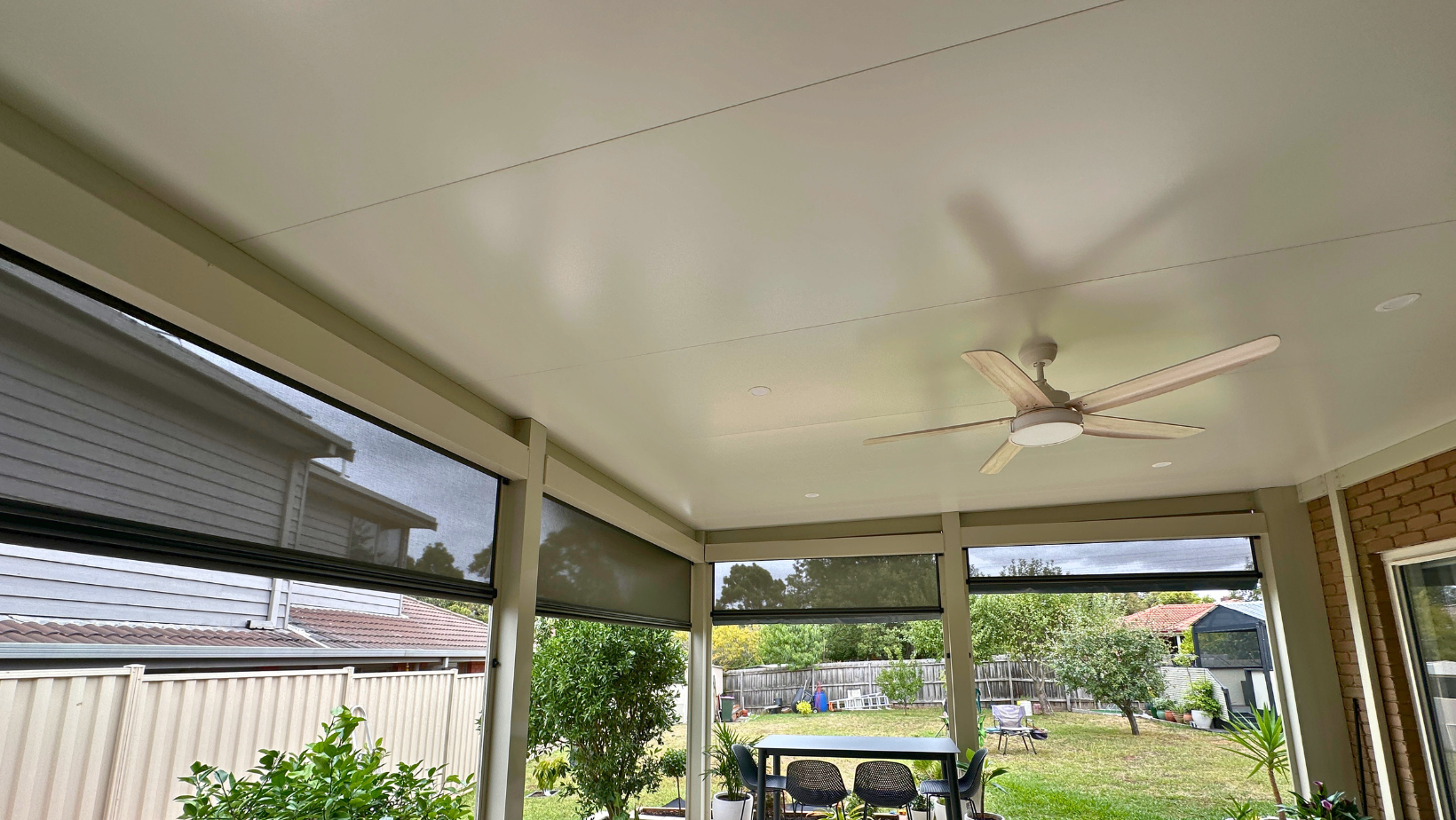

Stand under a standard metal patio on a hot afternoon and you feel the difference straight away. The roof might give you shade, but the space can still trap warmth and feel uncomfortable by the middle of the day. That is why so many homeowners ask, do insulated patios reduce heat? In most cases, yes - and the improvement is noticeable when the structure is designed and installed properly.
An insulated patio does more than block direct sun. It slows the transfer of heat through the roof, which helps keep the area underneath cooler than a basic single-skin cover. That can make a real difference if you want an outdoor area that feels inviting for family lunches, weekend barbecues, or simply sitting outside with a coffee without feeling like you are under a hot tin lid.
How insulated patios reduce heat

The main job of an insulated patio roof is to limit how much heat passes from the sun-exposed outer surface into the covered area below. With a standard metal roof, the sun heats the sheet quickly, and that warmth radiates down into the patio space. You still get shade, but you also get a roof surface that can become very hot.
An insulated roof panel includes a core between outer and inner layers. That core acts as a barrier to heat transfer. Instead of the roof heating up and pushing that warmth straight down, the insulation slows it down. The result is a covered area that generally feels cooler, more stable in temperature, and less harsh during warmer weather.
That does not mean the space becomes air-conditioned. If it is 38 degrees outside, you will still feel the heat in the air around you. But compared with a non-insulated patio, an insulated design can reduce radiant heat and make the space more comfortable for longer parts of the day.
Do insulated patios reduce heat enough to notice?

For most homeowners, the answer is yes. The difference is usually most obvious in summer, especially under a dark or standard single-layer metal roof where heat build-up is stronger. An insulated patio can help reduce that overhead heat load, so the space feels less intense and more usable.
You may notice a few practical benefits. Outdoor furniture stays less hot to the touch. Entertaining feels easier in the afternoon. If your patio connects directly to your home, the adjoining indoor room may also feel less affected by heat from the covered outdoor area.
How much of a difference you feel depends on several factors. Roof colour, panel thickness, ceiling height, orientation, airflow and the amount of western sun all matter. A well-positioned insulated patio with good ventilation will usually perform far better than a poorly placed structure, even if both use quality materials.
Why a standard patio roof can still feel hot

Shade is only one part of heat control. A standard patio roof stops direct sunlight from hitting you, but it can still absorb a large amount of solar heat. Once the roofing material gets hot, that heat can radiate downward and affect the whole area underneath.
This is why some covered outdoor spaces still feel stuffy. You are protected from glare, but not necessarily from built-up warmth. If there is little breeze or the roof sits low, the problem can become more obvious. The patio works as shelter, but not as a truly comfortable outdoor room.
Insulated roofing addresses that weak point. It helps turn a simple covered area into a more functional extension of the home, particularly for households who want to use the space regularly rather than occasionally.
What else affects patio heat levels?

If you are asking do insulated patios reduce heat, it helps to know that insulation is one part of the overall result, not the only part.
Orientation matters a lot. A patio facing west will take the brunt of harsh afternoon sun, which can raise heat levels even with insulation. Roof colour also plays a role. Lighter colours generally absorb less heat than darker ones. Ceiling height can improve comfort too, because hot air has more room to rise rather than sitting close to the people underneath.
Ventilation is another big factor. If the patio is enclosed on too many sides, warm air can linger. If the design allows airflow, the space tends to feel fresher. This is where custom planning matters. A good outdoor structure is not just about the roof panel itself. It is about how the entire space works together.
Insulated patios and the rooms next to them

One overlooked benefit is what an insulated patio can do for the part of the house beside it. If your patio covers sliding doors, kitchen windows or a rear living area, reducing heat over that outdoor zone may also lessen the amount of direct warmth hitting the glass and surrounding wall surfaces.
That can support better comfort inside the home, particularly in summer. It may also ease pressure on cooling systems, depending on the layout of the house. While an insulated patio is not a replacement for insulation inside your home, it can still contribute to a more comfortable overall environment.
Is an insulated patio always worth it?

It depends on how you want to use the space. If you only need a simple cover from light weather and occasional sun, a standard patio may do the job. But if your goal is to create a genuine outdoor living area that feels comfortable through more of the year, insulation is often the smarter long-term choice.
For many families, comfort is what makes the project worthwhile. A patio that looks great but is too hot to enjoy in summer will not deliver the same value as one that actually gets used. That is often the real difference. Insulated patios are built for living, not just covering space.
There is also the appearance factor. Insulated patio systems often provide a cleaner, more finished ceiling-like look underneath, which can make the area feel more integrated with the home. For homeowners wanting a polished outdoor entertaining zone, that extra visual quality can matter just as much as the performance.
When insulated patios perform best

Insulated patios tend to shine in homes where the outdoor area receives strong sun exposure, where the patio adjoins a main living zone, or where families want year-round usability. They are especially useful when comfort is the priority, not just coverage.
In Greater Melbourne, weather can shift quickly from strong sun to cool change, so a patio that handles temperature better can make outdoor living more practical across different seasons. An insulated roof helps soften those extremes, giving the space a more balanced feel.
That said, no roof solution works in isolation. The best outcome usually comes from combining insulation with thoughtful design choices such as suitable orientation, roof height, airflow and materials that suit the home.
Choosing the right patio for heat reduction

If reducing heat is high on your priority list, the right approach is to start with how you use the space. Do you want all-day entertaining? A shaded play area for kids? A cooler zone outside the family room? Those answers shape the best design.
This is where a custom build makes a difference. Rather than forcing a one-size-fits-all structure into place, a tailored patio can respond to the home’s layout, sun exposure and style. That leads to better comfort, better appearance and a result that feels like a natural extension of the property.
At Sam Outdoor Living, that is often the key conversation with homeowners. It is not just about adding a roof. It is about creating an outdoor area that works properly in Australian conditions and feels good to use.
So, do insulated patios reduce heat?
Yes, they generally do. They reduce radiant heat from the roof, improve comfort under the structure and can help make the space more enjoyable during warmer weather. The exact result depends on the design, orientation and materials, but compared with a standard patio roof, insulation usually offers a clear advantage.
If you are planning an outdoor upgrade, it helps to think beyond shade alone. The real goal is not simply covering a space. It is creating somewhere you will actually want to spend time, even when the sun is working hard.
Frequently Asked Questions
Do you use subcontractors?
No — 4 in-house teams, plus our own licensed plumber and electrician.
Do I need council approval for my outdoor structure?
Yes, most do — and we handle the whole permit process for you.
How long does installation take?
Most builds take 1–4 days on site once the permit is approved and materials are delivered. Larger sunrooms and decks can take longer; your quote includes the expected timeframe.
What does a patio cost?
It depends on size, roof type (Colorbond, insulated or louvre), height and add-ons such as lighting or fans. We measure on site for free and give you one fixed price upfront, with no hidden extras.
Do you offer warranties on your structures?
Yes, all our structures come with a 3-year workmanship warranty, a 10-year paint finish warranty, and a 25-year structural warranty. *Terms and Conditions applied.
Recent Blogs


Have a Project in Mind?
We reply within 1 business day.
Ready to transform your outdoor space? We’ll provide a personalised, no-obligation quote tailored to your needs. Simply fill out the form below, and we’ll be in touch soon!
Get Free Quote
Trusted Australian brands


We are dedicated to crafting beautiful, functional outdoor spaces that blend seamlessly with your home