

Verandah Vs Patio Difference Explained
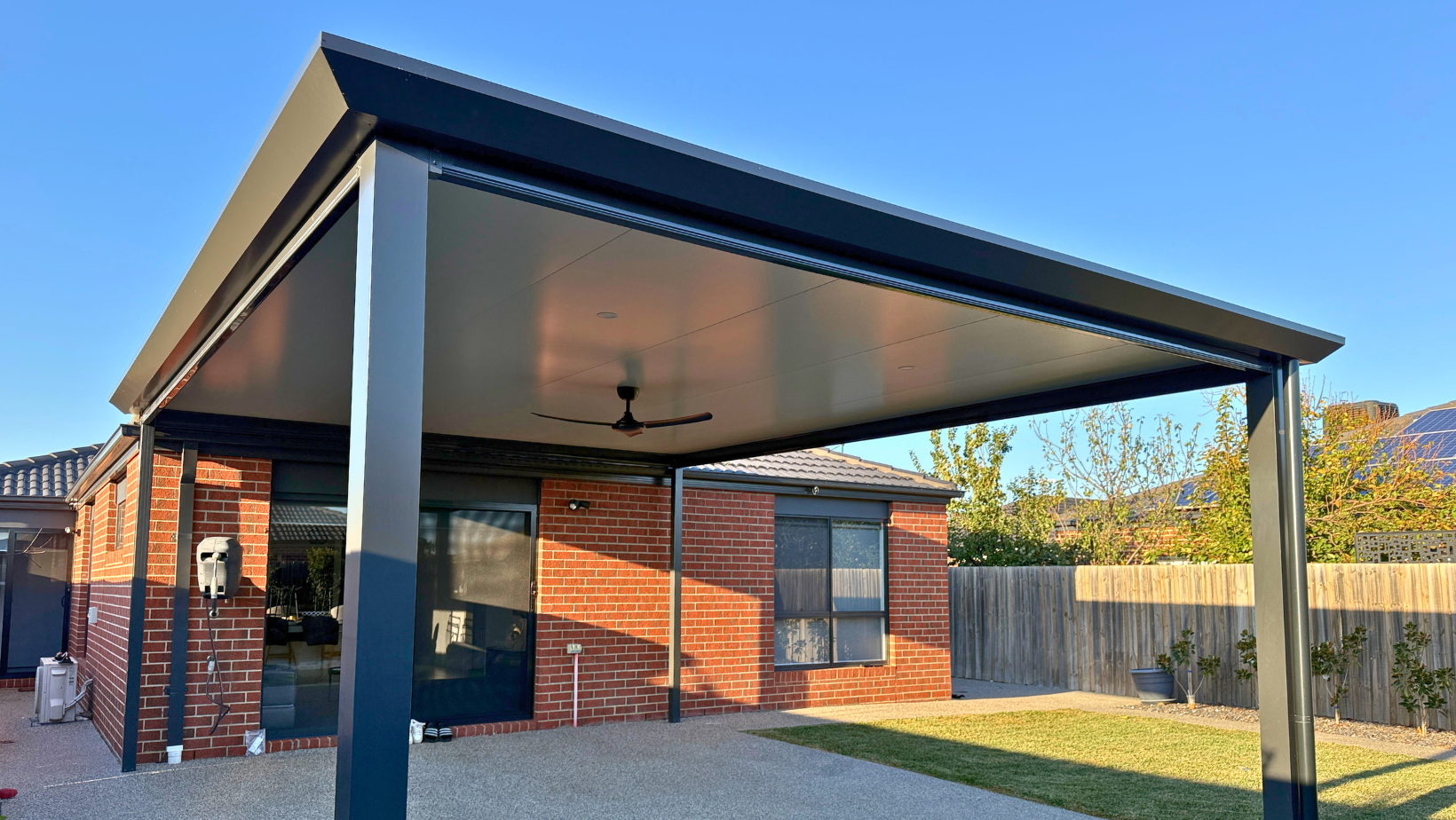

You can stand in a backyard and look at the same covered outdoor area, and one person will call it a verandah while another calls it a patio. That is exactly why the verandah vs patio difference matters. If you are planning to upgrade your outdoor space, the name is not just a label. It affects design choices, how the structure connects to your home, and what kind of lifestyle outcome you are really aiming for.
For homeowners, the real question is not which term sounds better. It is which structure suits your house, the way you use your outdoor area, and the level of weather protection you want year-round.
What is the verandah vs patio difference?

At the simplest level, a verandah is usually a roofed structure attached to the home that runs along one side, and sometimes wraps around more than one side. It tends to feel like an extension of the house itself. A patio, on the other hand, is a broader term for an outdoor living area that may be paved or covered and is often designed primarily for entertaining, dining, or relaxing.
In Australian homes, the line can blur because both can be attached, both can be covered, and both can add valuable living space. The difference often comes down to layout, architectural style, and how integrated the structure is with the home’s façade.
A verandah usually has a more traditional look. It often follows the shape of the house and creates a sheltered walkway or sitting area along the perimeter. A patio is often more purpose-built for outdoor living. It can be attached to the rear of the home, cover an alfresco zone, or create a defined entertaining area in the backyard.
How a verandah is typically designed
A verandah generally feels more architectural. It is closely tied to the home’s shape and street presence, especially on traditional or heritage-style properties. You will often see verandahs along the front, side, or wrapping around corners, with posts supporting a roofline that complements the main dwelling.
This style works well when the goal is to create shade, improve the transition between indoors and outdoors, and maintain a classic appearance. It can soften the edge of the house and add a welcoming, finished look.
Verandahs are also practical. They can help shield windows and walls from harsh sun and rain, and they create a covered path around the home. For families who want outdoor access without stepping straight into the weather, that can make a real difference in day-to-day comfort.
How a patio is typically designed

A patio is often more lifestyle-driven. It is commonly built at the rear or side of the house where people gather, cook, dine, and entertain. In many cases, the focus is less on wrapping the home and more on creating a usable outdoor room.
That is why patios are popular for open-plan backyards and modern outdoor living. They can be designed with insulated roofing, open gable styles, flat roofs, or louvre systems depending on the level of shelter and visual impact you want. A patio may sit over paving, decking, or concrete, and it usually defines a destination space rather than a passage around the home.
If your priority is hosting friends, creating a shaded play area, or building an all-weather entertaining zone, a patio often makes more sense than a verandah.
Verandah vs patio difference in function

This is where the choice becomes clearer. A verandah often supports circulation and passive use. It is ideal for sitting with a coffee, protecting entry points, or adding a shaded border to the house. A patio is usually more active in function. It is built to hold furniture, dining settings, barbeques, and family gatherings.
That does not mean a verandah cannot be used for entertaining or that a patio cannot be visually elegant. It simply means each structure usually starts with a different purpose.
If you want to improve the front or side presentation of your home while adding practical cover, a verandah is often the better fit. If you want to make your backyard work harder for everyday living, a patio is usually the stronger option.
Roof shape and structure matter

One of the biggest practical differences is the way the roof is designed. Verandahs often follow a consistent line that sits neatly with the home’s existing roof form. They are usually simple, clean, and sympathetic to the original architecture.
Patios can be more flexible. They may be flat, skillion, gabled, insulated, or customised to create more height and openness. That flexibility is valuable when you need to respond to backyard dimensions, sun direction, or the way your family wants to use the space.
For example, a lower-profile verandah may suit a traditional façade beautifully, but a high-roof patio can open up the backyard and make the area feel bigger and brighter. Neither is better in every situation. It depends on whether visual continuity or entertaining performance is the higher priority.
Which option suits your home style?

Home style plays a bigger role than many people realise. A verandah often suits weatherboard homes, period homes, ranch-style layouts, and houses with a broad frontage. It can look like it has always belonged there when designed properly.
A patio is often the more natural choice for contemporary homes, suburban family homes, and properties where the backyard is the main lifestyle zone. It gives you more freedom to shape the space around dining, lounging, or poolside use.
That said, there is plenty of overlap. A modern verandah can work on a newer home, and a patio can be designed to complement a more classic property. Good design is what closes the gap. The structure needs to match the roofline, proportions, materials, and flow of the existing home rather than follow a label too rigidly.
Weather protection and year-round use

In Victoria, weather matters. Strong sun, rain, and cool changes all affect how often an outdoor area gets used. That is where the verandah vs patio difference becomes more than a styling decision.
A verandah gives reliable cover along the edge of the home and can help protect multiple access points. A patio usually provides more concentrated protection over a specific living zone. If you want to sit outside through more of the year, especially with outdoor dining or family seating, a patio with the right roof design can offer better performance.
Insulated roofing is one example. It can make a patio more comfortable in summer and reduce the harsh heat that builds under standard metal roofing. For homeowners who want an outdoor area that feels genuinely usable rather than occasionally convenient, those choices matter.
What about value and long-term appeal?

Both verandahs and patios can add lifestyle value and improve how a home presents. The better question is what kind of value you are chasing.
A verandah can lift street appeal and create a more finished architectural look. A patio can expand functional living space and make the backyard more attractive to families and regular entertainers. In many cases, the most valuable structure is the one that feels intentional and well integrated, not simply the one with the bigger footprint.
If you are comparing the two from a budget point of view, simpler forms are often more cost-effective than highly customised designs. Keeping the layout practical, choosing durable Australian materials, and designing to suit the existing home can help manage costs without compromising the end result.
How to decide between a verandah and a patio

Start with how you actually live. If you picture a covered zone for outdoor meals, weekend entertaining, or everyday family use, you are probably describing a patio. If you want shaded perimeter cover that improves access, presentation, and connection to the home, a verandah may be the smarter choice.
Next, look at your house itself. The roofline, the position of doors and windows, the size of the backyard, and the style of the façade all influence what will look right and function well. This is where tailored design makes a major difference. The best outdoor structures are not selected from a generic category. They are shaped around the home and the people living in it.
That is also why experienced outdoor builders will often ask more about your goals than the label. You might ask for a verandah and actually need a patio. Or you might think you want a patio when a verandah would deliver a better result for the way your property is laid out.
The right answer is the one that fits your life

The verandah vs patio difference is real, but it is not something to get stuck on. Both can transform your outdoor space when they are designed with purpose, built with quality materials, and matched properly to your home.
If you are weighing up the two, focus less on the name and more on the outcome. Think about where you want shade, how you want the space to feel, and what will make outdoor living easier, more comfortable, and more enjoyable for years to come.
Frequently Asked Questions
Do you use subcontractors?
No — 4 in-house teams, plus our own licensed plumber and electrician.
Do I need council approval for my outdoor structure?
Yes, most do — and we handle the whole permit process for you.
How long does installation take?
Most builds take 1–4 days on site once the permit is approved and materials are delivered. Larger sunrooms and decks can take longer; your quote includes the expected timeframe.
What does a patio cost?
It depends on size, roof type (Colorbond, insulated or louvre), height and add-ons such as lighting or fans. We measure on site for free and give you one fixed price upfront, with no hidden extras.
Do you offer warranties on your structures?
Yes, all our structures come with a 3-year workmanship warranty, a 10-year paint finish warranty, and a 25-year structural warranty. *Terms and Conditions applied.
Recent Blogs


Have a Project in Mind?
We reply within 1 business day.
Ready to transform your outdoor space? We’ll provide a personalised, no-obligation quote tailored to your needs. Simply fill out the form below, and we’ll be in touch soon!
Get Free Quote
Trusted Australian brands


We are dedicated to crafting beautiful, functional outdoor spaces that blend seamlessly with your home