

Best Low Maintenance Deck Boards
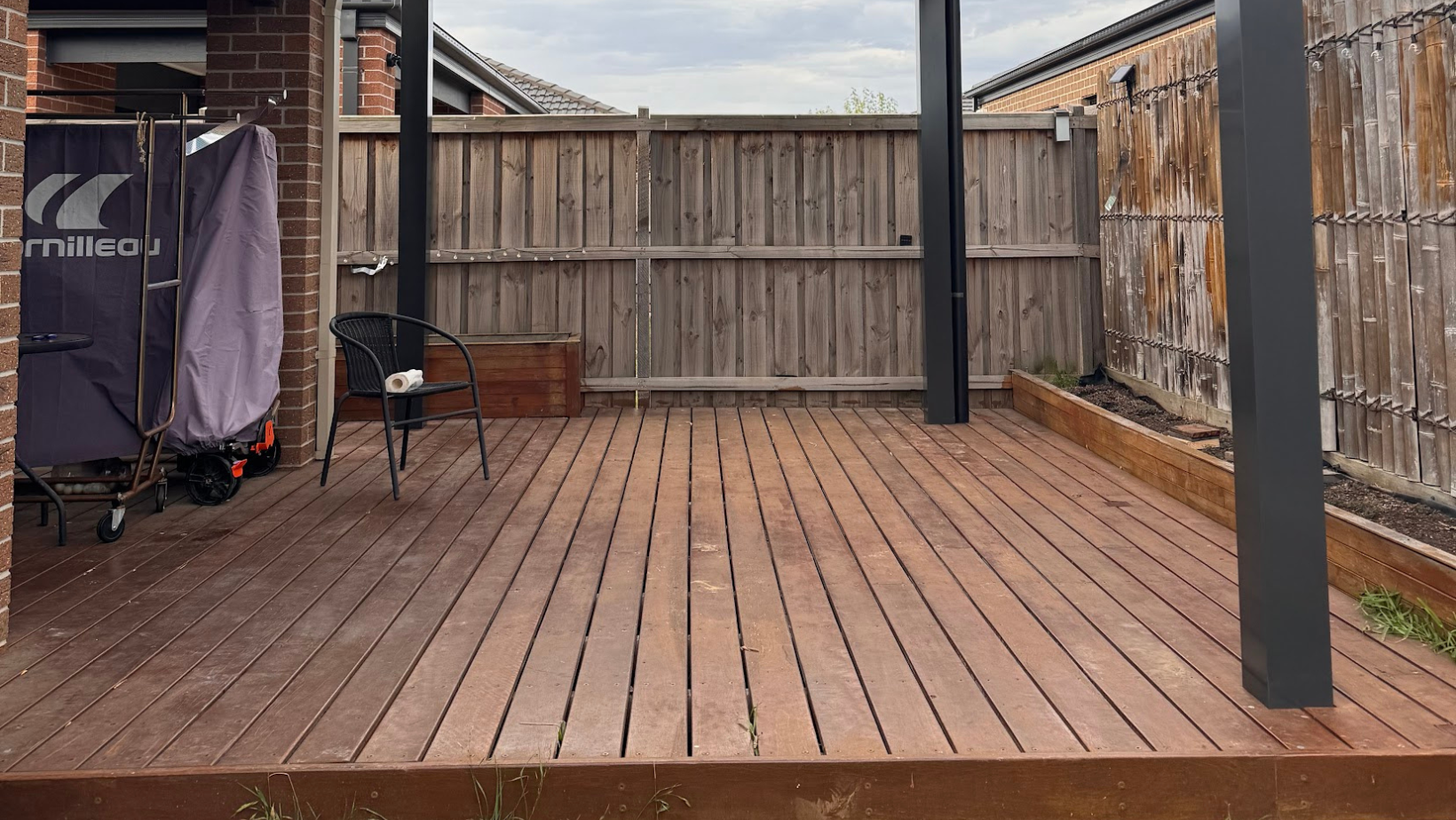

A deck should make your outdoor area easier to enjoy, not give you another weekend job. That is why low maintenance deck boards are high on the list for homeowners who want a space that looks sharp, handles Australian conditions, and stays practical for family life.
If you are planning a new deck, the board you choose will shape more than the final look. It affects how often you need to clean it, whether it needs oiling or sealing, how it copes with sun and rain, and how well it holds up around kids, pets, outdoor furniture and everyday use. For many households, low maintenance matters just as much as appearance.
What makes deck boards low maintenance?

Low maintenance does not mean no maintenance. Every deck needs basic care like sweeping away leaves, washing off dirt, and keeping moisture or debris from sitting too long. The real difference is how much ongoing work the material asks of you.
Deck boards are generally considered low maintenance when they do not need regular sanding, staining, oiling or sealing to keep their performance and appearance. They should also resist common issues such as fading, splintering, surface wear and moisture-related movement better than traditional timber options.
For most homeowners, that translates to less upkeep across the year and fewer cosmetic concerns over time. It also means more confidence that the deck will continue to suit the home without becoming a constant item on the to-do list.
Comparing low maintenance deck boards
The best choice usually comes down to the balance between appearance, comfort underfoot, durability and how natural you want the finished space to feel.
Composite decking

Composite boards are one of the most common choices when homeowners ask for low maintenance deck boards. They are made from a blend of recycled wood fibres and plastics, designed to deliver the appearance of timber with less upkeep.
For busy households, the appeal is obvious. Composite decking generally does not require the repeated oiling or staining associated with many timber decks. It is also less likely to splinter, which makes it a practical option for families with children who spend a lot of time barefoot outdoors.
That said, not all composite boards are equal. Better-quality boards tend to offer stronger resistance to fading, staining and surface scratching, while lower-grade products can be more vulnerable over time. This is where product selection and installation quality matter. A well-built deck with the right board spacing, subframe and drainage considerations will perform far better than a rushed job, no matter what material is used.
Capped composite decking

Capped composite is a step up from standard composite. These boards have a protective outer layer that helps shield the core from moisture, stains and UV exposure.
For homeowners who entertain often, have pets, or want the easiest day-to-day care, capped composite is often worth serious consideration. It can be especially useful around pools, alfresco spaces and open backyards where food spills, muddy shoes and strong sun are part of normal use.
The trade-off is that some capped boards can feel less like natural timber in appearance or texture, depending on the range. If your priority is a refined, timber-inspired finish with reduced upkeep, premium capped products usually offer the best balance.
Hardwood timber

Timber is not usually the first material people think of when they hear low maintenance, but it still has a place in the conversation. Dense Australian hardwoods are durable, attractive and well suited to many homes, particularly where a natural finish is important.
The catch is maintenance. Even high-performing timber boards typically need more attention than composite alternatives if you want to preserve their colour and finish. Without that upkeep, they can weather naturally and lose their original appearance. Some homeowners do not mind that silvered look. Others want the deck to stay closer to its freshly built finish.
If you love real timber, it can still be the right choice, but it is usually better described as durable rather than low maintenance.
How low maintenance deck boards perform in Australian conditions

Outdoor materials in Australia do not get an easy run. Strong UV exposure, changing temperatures, rain, leaf litter and general backyard wear all test a deck over time.
This is where material performance needs to be looked at realistically, not just by brochure claims. A board might look good on display, but the real question is how it performs after years of sun, moisture and daily use.
Low maintenance deck boards should be chosen with local conditions in mind. In many Melbourne homes, decks deal with both hot summer days and cool, damp periods. That means movement, moisture resistance and slip awareness all matter. Some boards stay more stable than others. Some hold colour better. Some are easier to keep clean if they sit under trees or near garden beds.
It also depends on where the deck will sit. A covered alfresco deck has different demands from a fully exposed deck in open sun. If the area gets little protection from the weather, the quality of the board becomes even more important.
What to look for before you choose

The best board is not always the one with the boldest marketing. It is the one that suits the home, the way you use the space, and the level of upkeep you genuinely want.
Start with appearance. Some homeowners want a deck that closely mimics natural timber grain, while others prefer a cleaner, more contemporary finish. The board colour should also work with the rest of the outdoor design, including patio roofing, pergolas, fencing and the home façade.
Then consider feel and function. Is the deck for entertaining, for a quiet backyard retreat, or for heavy family use? If the space will see regular foot traffic, outdoor dining and constant movement between indoors and outdoors, you want a board that is easy to live with, not just pleasant to look at.
Slip resistance matters too, especially in areas exposed to rain or near pools. Surface temperature is another factor worth asking about, particularly for decks in direct sun. Some darker boards can absorb more heat, which may affect comfort underfoot.
Finally, look at warranty support and the reputation of the product. A low maintenance promise only means so much if the material has not been proven in real residential settings.
Installation matters just as much as the board

Even the best low maintenance deck boards can disappoint if the installation is poor. Board alignment, fixing methods, subframe quality, ventilation and drainage all influence how the finished deck looks and performs.
This is one reason many homeowners prefer a custom-built approach rather than treating decking like a simple off-the-shelf add-on. A deck should be designed to suit the site, integrate with the home and account for how the outdoor area will be used. Details that seem small during planning often make a big difference later.
For example, a well-considered layout can reduce visible joins, improve flow through the yard and create a cleaner overall finish. Proper spacing and support can also help the boards perform as intended across changing weather conditions.
How to keep maintenance low over the long term

Choosing a low maintenance board is the first step. Protecting that investment comes down to sensible care and good design decisions.
Keeping the deck clear of built-up dirt and damp leaf matter goes a long way. So does making sure water drains properly and planters or furniture do not trap moisture against the surface. If you are still in the design stage, it is worth thinking about shade, exposure and how nearby landscaping may affect the deck over time.
If you want to minimise long-term costs, it often makes sense to invest in materials and installation quality up front rather than chasing the cheapest option. Lower upfront spend can sometimes lead to more upkeep, faster cosmetic wear or an outcome that simply does not hold its appeal.
Which deck boards are right for your home?

For many homeowners, composite or capped composite boards will be the strongest fit if low upkeep is the priority. They suit modern outdoor living well, offer strong visual consistency, and reduce the need for ongoing surface treatments.
Timber can still be the right answer where natural character matters most and you are comfortable with a more hands-on maintenance cycle. There is no single correct material for every home. The right choice depends on your style, your site, and how you want to use the space year after year.
A great deck should feel like a natural extension of the home - comfortable, durable and easy to enjoy. If you are weighing up low maintenance deck boards, focus on the full picture: material quality, installation standard, and how the finished deck will support the way you live outdoors. That is what turns a good-looking project into a space you will keep using for years.
Frequently Asked Questions
Do you use subcontractors?
No — 4 in-house teams, plus our own licensed plumber and electrician.
Do I need council approval for my outdoor structure?
Yes, most do — and we handle the whole permit process for you.
How long does installation take?
Most builds take 1–4 days on site once the permit is approved and materials are delivered. Larger sunrooms and decks can take longer; your quote includes the expected timeframe.
What does a patio cost?
It depends on size, roof type (Colorbond, insulated or louvre), height and add-ons such as lighting or fans. We measure on site for free and give you one fixed price upfront, with no hidden extras.
Do you offer warranties on your structures?
Yes, all our structures come with a 3-year workmanship warranty, a 10-year paint finish warranty, and a 25-year structural warranty. *Terms and Conditions applied.
Recent Blogs


Have a Project in Mind?
We reply within 1 business day.
Ready to transform your outdoor space? We’ll provide a personalised, no-obligation quote tailored to your needs. Simply fill out the form below, and we’ll be in touch soon!
Get Free Quote
Trusted Australian brands


We are dedicated to crafting beautiful, functional outdoor spaces that blend seamlessly with your home